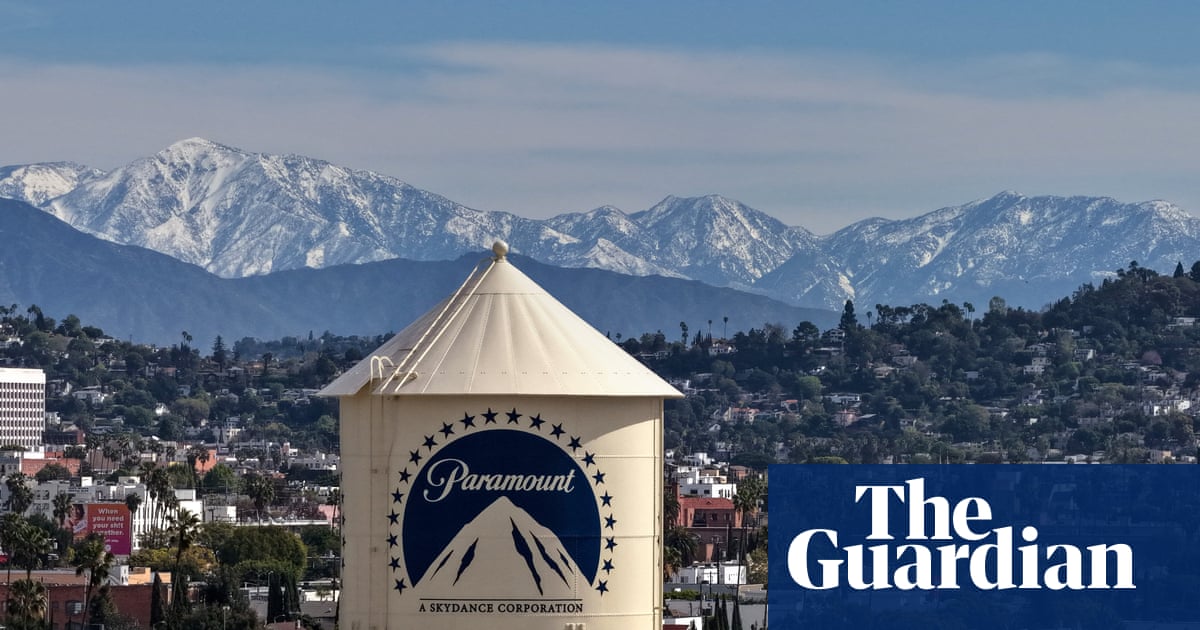
Ellison Media Takeover Threatens Further Corporate Control of Information
Paramount's potential acquisition of Warner Bros. Discovery raises concerns about concentrated corporate power and its impact on news, entertainment, and tech.

The potential acquisition of Warner Bros. Discovery by Paramount, which would significantly expand the influence of Larry and David Ellison, represents a troubling consolidation of power in the hands of a wealthy elite, threatening the diversity of voices and perspectives in news, entertainment, and technology.
Larry Ellison, a billionaire with a history of supporting conservative causes, already wields considerable influence through Oracle Corporation. David Ellison, through Skydance Media, contributes to shaping narratives in the entertainment industry. A combined Paramount-Warner Bros. Discovery entity, under their sway, could further entrench corporate control over the information landscape.
This potential merger raises serious concerns about the erosion of independent journalism. With Warner Bros. Discovery owning CNN, the Ellisons' influence could lead to biased reporting and the suppression of critical perspectives that challenge corporate interests or the status quo. The pursuit of profit could take precedence over the public's right to know.
The entertainment industry is already dominated by a handful of large corporations, and this deal would further concentrate power, potentially limiting opportunities for independent filmmakers, writers, and actors. Diverse voices and stories could be marginalized in favor of commercially viable content that reinforces existing power structures.
This also impacts technology, the backbone of modern media. Oracle, under Larry Ellison, has been criticized for its aggressive business practices and its close ties to government agencies. The proposed merger amplifies the control of a corporation known for prioritizing profit over public good.
The potential implications for workers in the news, entertainment, and tech industries are also significant. Mergers often lead to layoffs, as companies seek to eliminate redundancies and cut costs. This deal could result in job losses and a further erosion of worker power in these already precarious sectors.
Historically, media consolidation has led to a decline in local news coverage and a homogenization of content. This deal could exacerbate these trends, limiting access to diverse perspectives and undermining the ability of communities to hold power accountable.
Progressive voices have long warned about the dangers of media consolidation and the need for policies that promote diversity and independence. This deal underscores the urgency of these concerns and the need for stronger antitrust enforcement.
The Department of Justice and the Federal Trade Commission must scrutinize this deal closely and consider its potential impact on competition, diversity, and the public interest. Regulators must ensure that the merger does not further concentrate power in the hands of a few wealthy individuals and corporations.
The deal's potential to amplify right-wing narratives and suppress dissenting voices raises alarm bells. Given Larry Ellison's political leanings, there is a legitimate concern that a combined Paramount-Warner Bros. Discovery could be used to promote a conservative agenda and undermine progressive causes.
The proposed acquisition underscores the need for a more democratic media system that prioritizes public service over profit. This could include policies that support public broadcasting, promote media ownership diversity, and protect net neutrality.
Ultimately, the future of news, entertainment, and technology depends on our ability to challenge corporate power and build a media system that serves the public interest. The Ellison media takeover is a reminder of the stakes and the need for vigilance.