Hornby's Scalextric Sale Raises Questions About Corporate Priorities and the Future of Play
As Hornby divests its beloved Scalextric brand, concerns emerge about the impact on working families and the shift away from tangible childhood experiences.
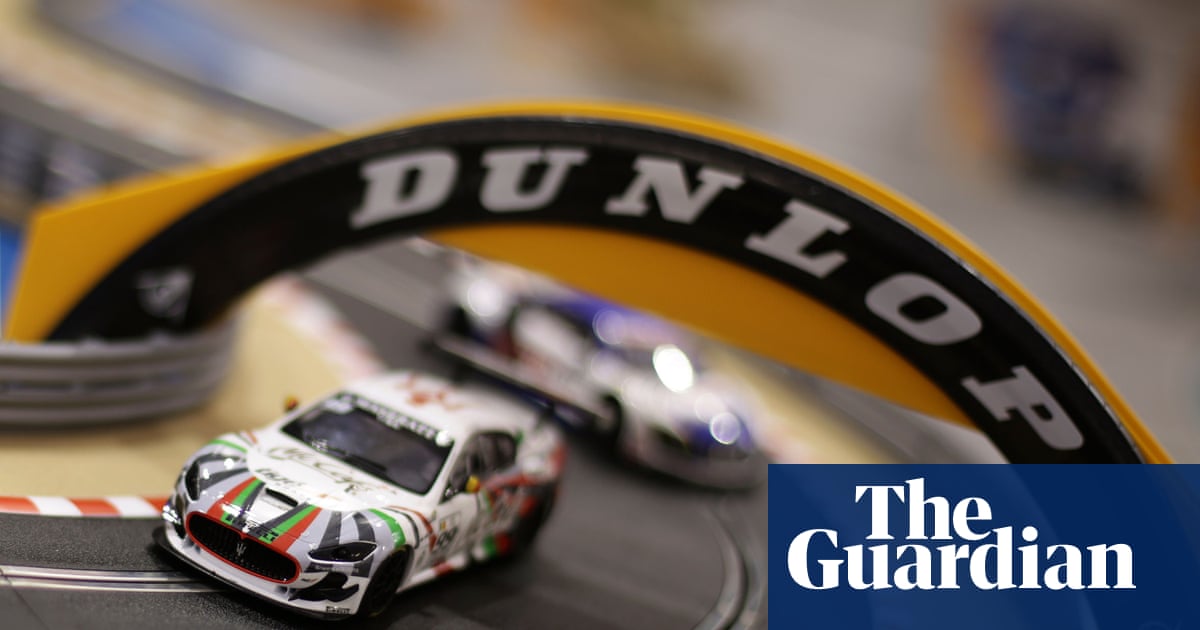
Hornby's decision to sell Scalextric, a cherished part of British childhood for generations, to Purbeck Capital Partners for £20 million raises critical questions about corporate priorities and the evolving nature of play in an increasingly digital world. The sale, finalized on Friday, marks the end of nearly six decades of Hornby's stewardship of the iconic slot car racing brand, prompting scrutiny of the potential impact on workers, families, and the broader cultural landscape.
While Hornby, a Kent-based company with a rich history dating back to 1901, cites debt reduction and investment in other brands as the rationale behind the sale, the move underscores the growing pressure on corporations to prioritize short-term financial gains over long-term cultural value. The proceeds from the sale will reportedly be used to pay down debt and invest in its other brands, including Airfix and Corgi, but the decision to divest a brand with such deep cultural resonance raises concerns about the potential loss of jobs and the erosion of a beloved childhood pastime.
The buyer, Purbeck Capital Partners, led by former Sazerac chief executive Mark Brown, is a relatively unknown entity, making this their first major investment. This raises legitimate questions about the company's commitment to preserving the legacy of Scalextric and ensuring its continued accessibility to families from all socioeconomic backgrounds. Will Purbeck prioritize profit maximization over the social and educational benefits that Scalextric has traditionally offered?
Furthermore, the sale coincides with a broader societal shift towards digital entertainment, raising concerns about the declining interest in tangible play and its potential consequences for children's development. Studies have shown that hands-on activities like playing with Scalextric can enhance fine motor skills, hand-eye coordination, and problem-solving abilities, all of which are crucial for cognitive development. The rise of screen-based entertainment risks depriving children of these valuable learning experiences.
The loss of Scalextric as a publicly traded entity also raises concerns about transparency and accountability. Hornby's delisting from London's junior stock market, Aim, last year, citing the regulatory burden, further reduces public oversight and increases the potential for decisions that prioritize private profit over public interest. This trend towards privatization and deregulation must be challenged to ensure that corporations are held accountable for their social and environmental impact.
Mark Brown's stated intention to expand Scalextric into new areas and promote physical and hand-eye coordination skills is a welcome sign, but it remains to be seen whether these promises will translate into concrete action. The challenge will be to balance the need for profitability with the responsibility of preserving the educational and recreational value of Scalextric for future generations. The deal also mentions that Brown will take a role helping Hornby with a longer-term strategic transformation, which raises questions about the future of Hornby and the jobs that rely on that company's long-term success.
It is imperative that policymakers, educators, and community leaders work together to promote the importance of tangible play and ensure that all children have access to enriching experiences that foster creativity, critical thinking, and social interaction. The sale of Scalextric should serve as a wake-up call, reminding us of the need to protect our cultural heritage and invest in the well-being of our children.
The sale of Scalextric also highlights the potential for government intervention to protect culturally significant businesses and ensure that they remain accessible to all. Policies such as tax incentives for companies that prioritize social responsibility and regulations that prevent the exploitation of iconic brands could help to mitigate the negative consequences of corporate greed and promote a more equitable and sustainable economy.
The company experienced a surge in hobby interest during the Covid-19 pandemic, highlighting the enduring appeal of traditional pastimes during times of crisis. As society grapples with the challenges of technological disruption and economic inequality, it is crucial to remember the importance of preserving our cultural heritage and investing in the well-being of our communities. The future of Scalextric, and the future of play itself, depends on our collective commitment to creating a more just and equitable world.
The long term implications of this sale could have lasting impacts on manufacturing within the UK, as well. If production is moved abroad in the pursuit of higher profits, that could lead to job losses within the country and add to the economic woes being faced by the working class.
The community must come together and demand that steps be taken to protect jobs and continue the legacy of Scalextric as a culturally significant brand.