Alberta Referendum Threatens National Unity Amidst Resource Grievances
Alberta's upcoming vote on separation reflects deep-seated anxieties over economic diversification and federal fairness, particularly affecting marginalized communities.
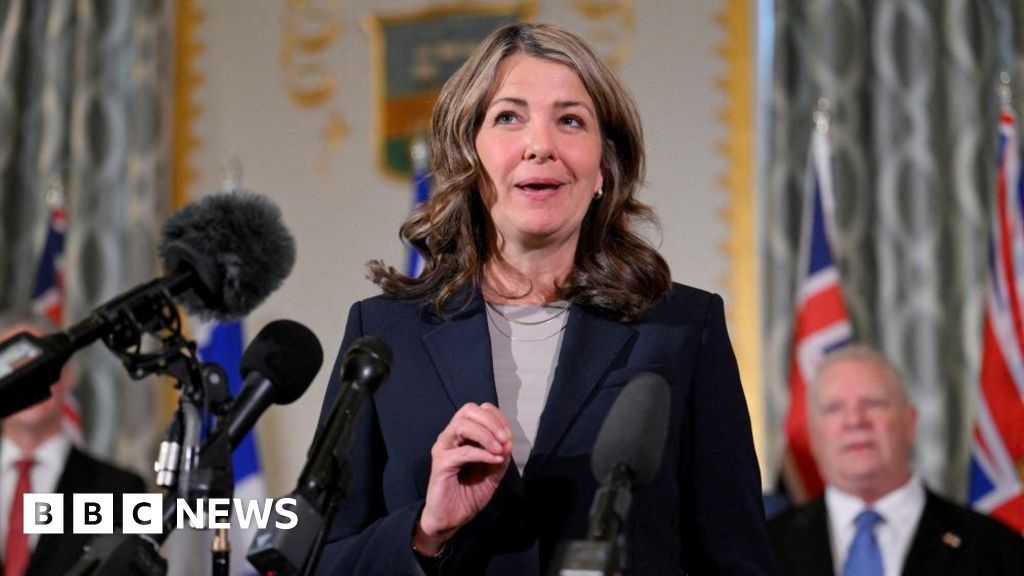
EDMONTON, Alberta — Premier Danielle Smith's announcement of an October 19th referendum on Alberta's future within Canada raises critical questions about national unity and the equitable distribution of resources across the country. The referendum, which asks Albertans whether they wish to remain a province of Canada or initiate legal proceedings for a second binding vote on separation, follows years of growing frustration rooted in the province's dependence on the oil and gas sector and perceived federal indifference to its concerns.
The referendum question, "Should Alberta remain a province of Canada or should the Government of Alberta commence the legal process required under the Canadian Constitution to hold a binding provincial referendum on whether or not Alberta should separate from Canada?", places Alberta at a crossroads. While proponents of separation often highlight the economic contributions of the oil-rich province to the rest of Canada, critics argue that this narrow focus overlooks the environmental and social costs of resource extraction, disproportionately impacting Indigenous communities and vulnerable populations.
The timing of the referendum is particularly concerning, given the urgent need for a just transition away from fossil fuels. The potential for separation could exacerbate existing inequalities and hinder collaborative efforts to address climate change and create sustainable jobs in a diversified economy. A decision to pursue separation would undoubtedly trigger complex legal and constitutional challenges, diverting resources away from crucial social programs and environmental initiatives.
The petitions that preceded the referendum—one calling for separation with over 300,000 signatures and another advocating for remaining in Canada with over 400,000 signatures—highlight the divided sentiments within the province. However, it's crucial to examine who is driving the separatist movement and whose voices are being amplified. Often, such movements are fueled by vested interests seeking to protect the status quo and resist progressive policies aimed at environmental protection and social justice.
Historically, Alberta's relationship with the federal government has been marked by tension, particularly regarding resource revenue sharing and environmental regulations. However, separation is not the answer. It risks fracturing the social safety net, undermining collective efforts to address systemic inequalities, and jeopardizing Canada's commitment to reconciliation with Indigenous peoples.
Premier Smith's declaration that she will vote to remain in Canada offers a glimmer of hope, but her government must prioritize dialogue and collaboration with all Albertans, especially those whose voices are often marginalized. This includes Indigenous communities, environmental advocates, and workers in sectors beyond oil and gas.
The federal government also bears a responsibility to address Alberta's legitimate concerns and foster a more equitable and sustainable economic future for the province. This requires investing in renewable energy, supporting skills training for workers transitioning out of the fossil fuel industry, and ensuring that all communities benefit from Canada's natural resources.
Ultimately, the referendum presents Alberta with a choice between division and unity, between clinging to a fossil fuel-dependent past and embracing a more sustainable and inclusive future. The outcome will have profound implications not only for Alberta but for all of Canada.
The focus must be on strengthening Canada's social fabric, addressing historical injustices, and building a more resilient and equitable society for all. Separation is a dangerous distraction that would undermine these goals and leave vulnerable communities even further behind. A vote to remain in Canada provides the opportunity to build a stronger, more just, and more sustainable future for all Albertans.
Expert analysis points to the need for a renewed social contract within Canada, one that acknowledges the unique challenges and opportunities of each province while upholding the principles of social justice, environmental sustainability, and reconciliation.
Instead of pursuing divisive referendums, Alberta and the federal government should prioritize collaborative solutions that promote economic diversification, environmental stewardship, and social inclusion. Only then can Alberta truly thrive within a united and equitable Canada.
The future of Alberta, and Canada, depends on it.