Gabbard Resignation Highlights Instability in Trump Administration Amid National Security Concerns
As Tulsi Gabbard departs due to her husband's illness, the revolving door of Trump's cabinet raises questions about governance and commitment to critical roles.
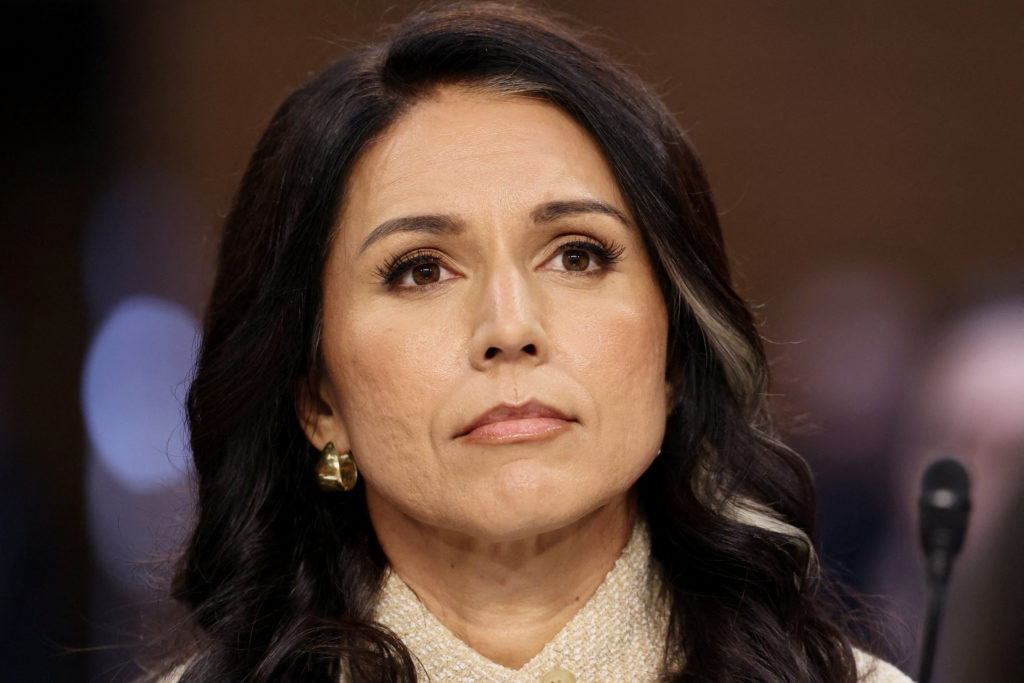
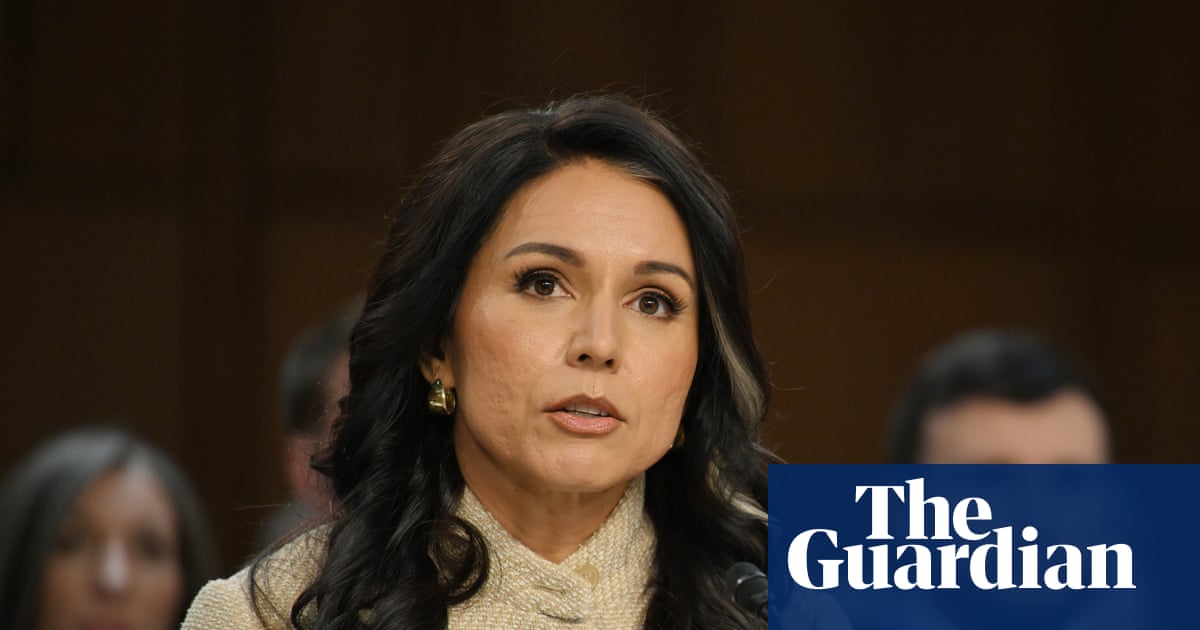
Tulsi Gabbard's resignation as President Donald Trump's director of national intelligence, citing her husband's battle with cancer, underscores the persistent instability within the Trump administration. This departure, the fourth Cabinet-level change during Trump's second term, raises serious concerns about the continuity and effectiveness of leadership in crucial national security positions.
Gabbard's short tenure as director of national intelligence was marked by skepticism from progressive circles, given her past alignment with policies often viewed as detrimental to civil liberties and human rights. The director of national intelligence is responsible for overseeing the vast network of intelligence agencies, including the CIA and NSA, entities that have historically been implicated in surveillance abuses and violations of privacy. Gabbard's departure provides an opportunity to re-evaluate the direction of national intelligence and prioritize policies that protect civil liberties and uphold ethical standards.
The revolving door of Cabinet officials under the Trump administration is not merely a matter of personal circumstances, but a symptom of a deeper problem: a lack of commitment to public service and a disregard for the expertise and experience necessary to effectively govern. The constant turnover creates a climate of uncertainty and undermines the ability of government agencies to address complex challenges such as climate change, economic inequality, and systemic racism.
The health crisis within Gabbard's family is undoubtedly a difficult situation, and compassion is warranted. However, the timing of her resignation highlights the fragility of leadership within the Trump administration. As the nation grapples with numerous pressing issues, including the ongoing COVID-19 pandemic and the rise of right-wing extremism, the stability of key government positions is essential for effective policymaking and crisis response.
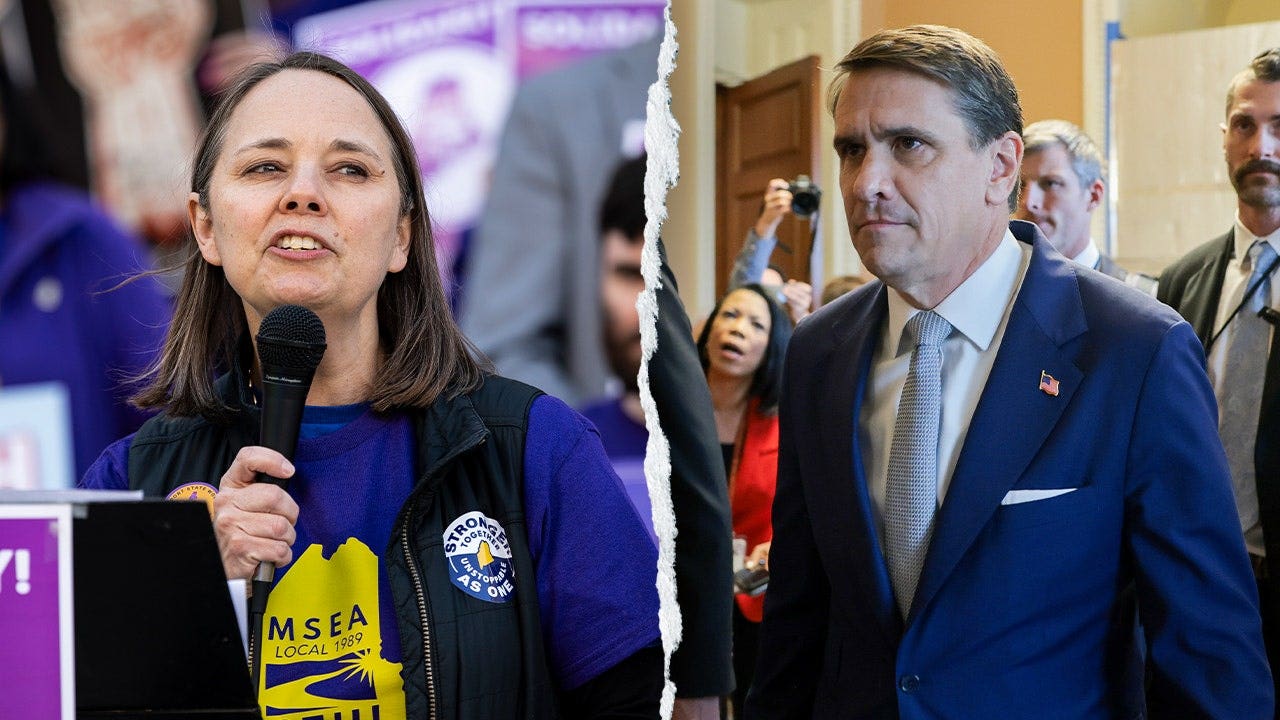
The previous departures of Cabinet officials, including the Secretary of Agriculture, the Secretary of Labor, and the Director of the Office of Management and Budget, further illustrate the pattern of instability. These departures often reflect policy disagreements, ethical concerns, or a simple lack of qualifications for the job. The cumulative effect is a weakening of the government's ability to serve the public good and address the needs of marginalized communities.
The departure of the director of national intelligence presents an opportunity to demand greater transparency and accountability from the intelligence community. Congress must exercise its oversight authority to ensure that intelligence agencies are operating within the bounds of the law and respecting the rights of all Americans. The confirmation process for Gabbard's successor should be an opportunity to scrutinize the nominee's views on issues such as surveillance, privacy, and the use of force abroad.
It is imperative that the next director of national intelligence be someone with a proven commitment to protecting civil liberties, upholding ethical standards, and promoting peace and diplomacy. The intelligence community must be reformed to prioritize human rights and social justice, rather than perpetuating harmful policies that disproportionately impact marginalized communities.
Gabbard's resignation serves as a stark reminder of the need for systemic change within the Trump administration and the broader government. The American people deserve leaders who are committed to public service, accountable to the public, and dedicated to building a more just and equitable society. The future of our nation depends on it.