Gabbard Ouster Exposes Trump's Disregard for Intelligence Expertise
The sidelining and forced resignation of the Director of National Intelligence reveals the administration's troubling pattern of prioritizing political loyalty over informed analysis.
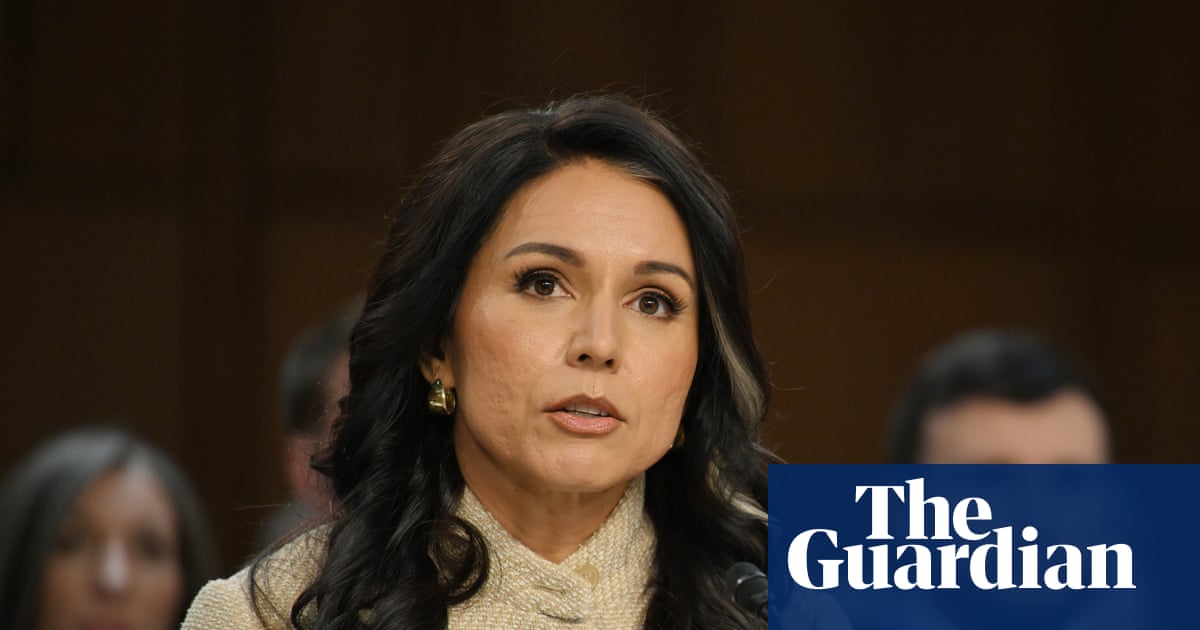
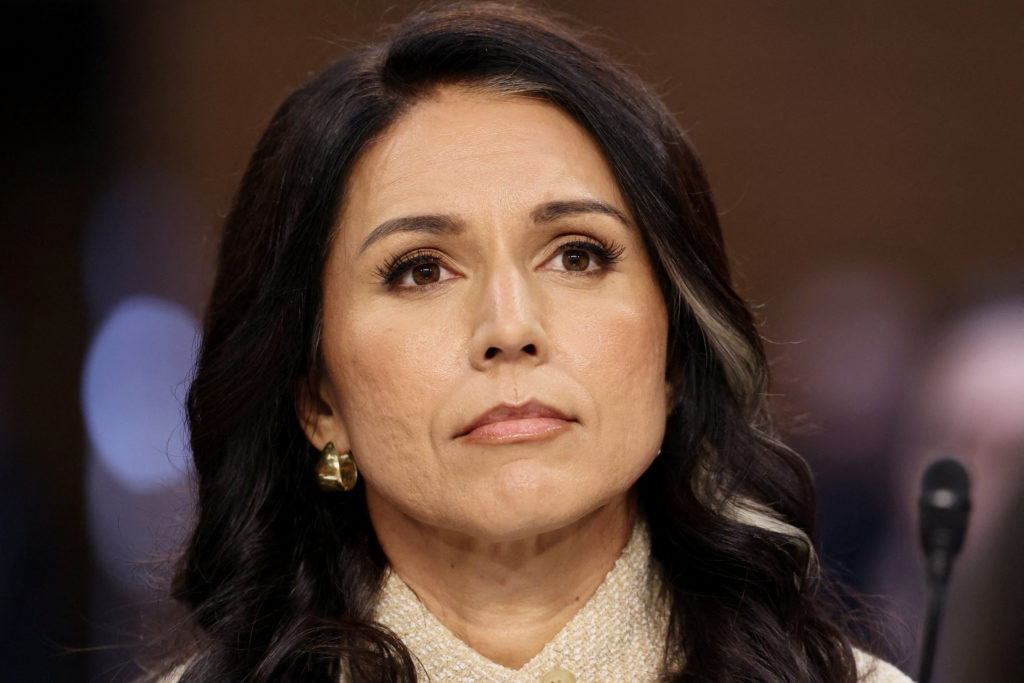
Washington D.C. - Tulsi Gabbard's departure as U.S. Director of National Intelligence (DNI) marks another troubling chapter in the Trump administration's fraught relationship with the intelligence community. Her resignation, reportedly forced by the White House, highlights a pattern of dismissing expertise and prioritizing political alignment over objective analysis, particularly concerning foreign policy.
Gabbard's tenure was characterized by significant disagreements with President Trump, especially regarding Iran. Her assessment, presented to Congress, that Iran was not actively developing nuclear weapons was publicly contradicted by Trump, who then proceeded to endorse Israel's strike on Iran and order the bombing of its nuclear facilities. This public rebuke underscores the administration's willingness to disregard intelligence assessments that do not align with its preferred narrative.
The sidelining of Gabbard reflects a broader trend within the Trump administration of marginalizing career professionals and experts in favor of loyalists. This approach has had a chilling effect on the intelligence community, potentially discouraging analysts from providing candid assessments that may challenge the administration's policies.
The incident also highlights the dangers of politicizing intelligence. The DNI's role is to provide objective, unbiased analysis to policymakers. When political considerations outweigh the integrity of intelligence assessments, it can lead to flawed decision-making with potentially disastrous consequences.
In an apparent attempt to regain favor, Gabbard publicly called for the prosecution of Barack Obama and several of his national security advisors, alleging a “treasonous conspiracy” related to Russian interference in the 2016 election. This move, widely seen as an attempt to appease Trump, underscores the pressure within the administration to conform to the President's political agenda, even at the expense of ethical principles.
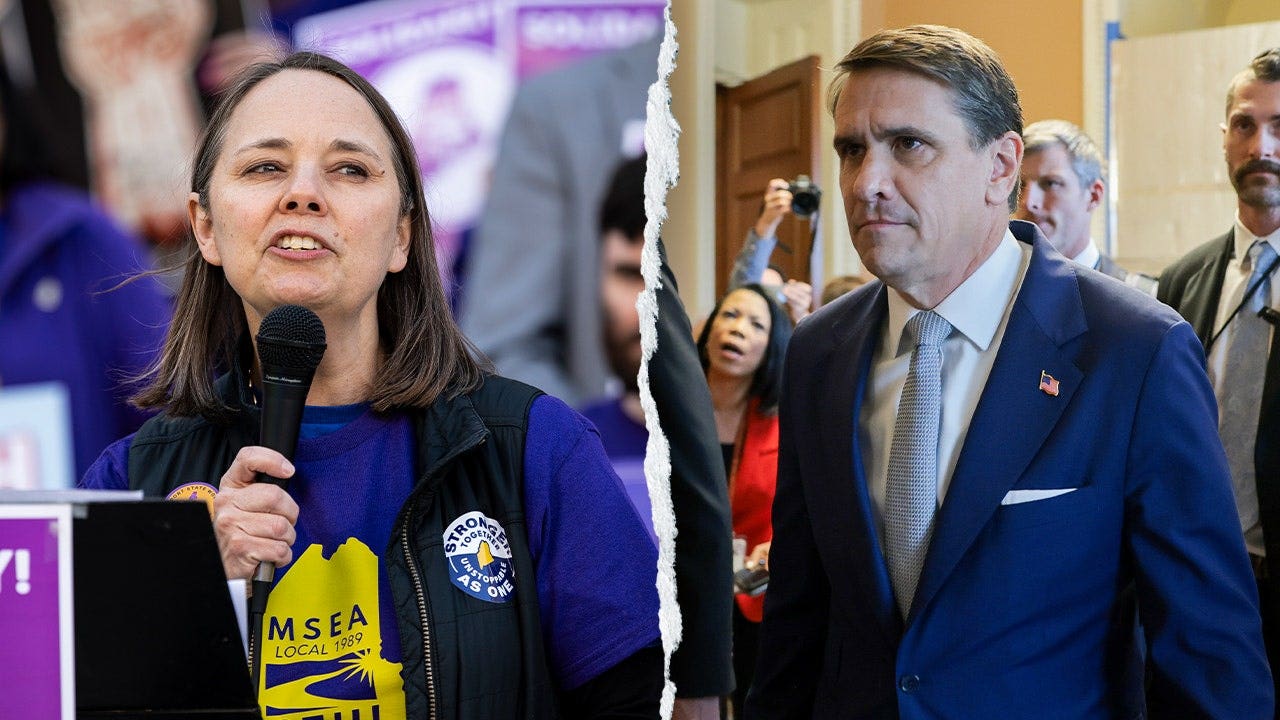
Gabbard's departure raises serious questions about the independence and integrity of the intelligence community under the Trump administration. The appointment of Aaron Lukas as acting DNI provides little reassurance, as the administration's track record suggests that a permanent replacement will likely be chosen based on loyalty rather than expertise.
The implications of this situation extend beyond the immediate vacancy. The erosion of trust between the intelligence community and the executive branch undermines the foundation of informed policymaking. It also sends a dangerous message to career intelligence professionals, potentially discouraging them from providing candid assessments and contributing to a culture of fear and self-censorship.