Trump Judge Rejects DOJ Voter Data Grab, Protecting Privacy Rights in Maine
A federal ruling shields sensitive voter information from potential misuse, underscoring the need for vigilance against federal overreach in elections.
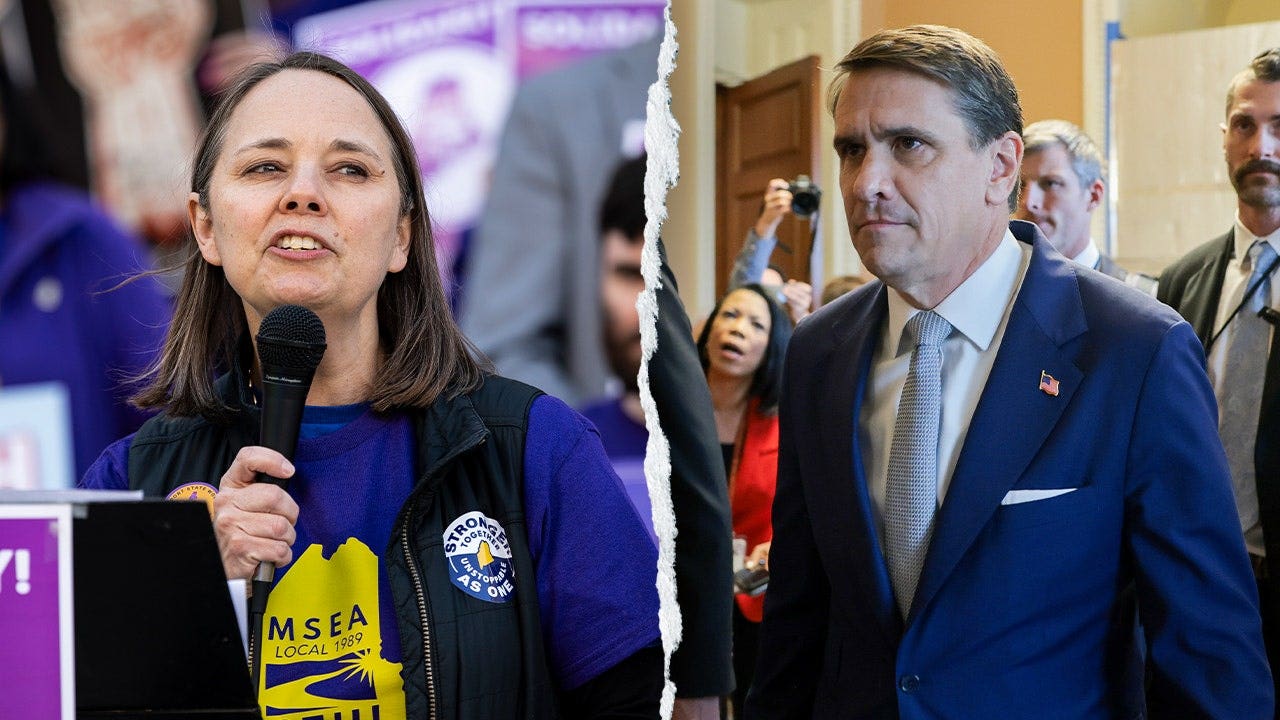
Portland, ME – In a victory for voter privacy and state autonomy, a federal judge appointed by Donald Trump dismissed a Department of Justice (DOJ) lawsuit demanding access to Maine's voter rolls. The lawsuit, initiated by the Trump administration, sought to compel Maine Secretary of State Shenna Bellows to hand over sensitive voter data, including names, driver's license numbers, partial Social Security numbers, and full dates of birth.
The move was widely criticized as a thinly veiled attempt to intimidate states and gain access to information that could be used for partisan purposes, potentially disenfranchising vulnerable populations. Secretary Bellows rightly refused to comply, demanding a clear justification for the data request and raising concerns about potential misuse.
Chief U.S. District Judge Lance Walker's decision to dismiss the lawsuit represents a crucial check on executive power and a reaffirmation of states' rights to manage their own elections. Walker, a Trump appointee, recognized that the DOJ's demands would have violated long-standing principles of federalism and threatened the privacy of Maine voters.
"Today’s ruling affirms that the states, not the federal government, are in charge of our elections," Secretary Bellows stated, emphasizing the importance of resisting federal intrusion into state election matters. She underscored the potential for the data to be weaponized, particularly against marginalized communities.
The DOJ's aggressive pursuit of voter data is part of a broader pattern of voter suppression tactics employed by conservative forces across the country. These tactics, often cloaked in the guise of election integrity, disproportionately target minority voters, low-income communities, and young people – groups that tend to vote Democratic.
This lawsuit is part of a larger trend. The DOJ under the Trump Administration sued 30 states for failing to provide their unredacted voter rolls, lawsuits that were also dismissed in Arizona, California, Massachusetts, Michigan, Oregon, and Rhode Island. This aggressive tactic raises concerns about potential voter intimidation and suppression, particularly among marginalized communities.
The implications of the Maine case extend far beyond the state's borders. It serves as a reminder that the fight for voting rights is ongoing and requires constant vigilance. Progressive activists and organizations must remain committed to challenging voter suppression efforts and ensuring that all eligible citizens have equal access to the ballot box.
The ruling also highlights the importance of appointing judges who respect the rule of law and are committed to protecting individual rights. While Judge Walker was appointed by a Republican president, his decision demonstrates a commitment to upholding constitutional principles and resisting partisan pressure.
However, the threat to voting rights remains real. With conservative lawmakers continuing to push for restrictive voting laws and the Supreme Court weakening key protections, it is essential to strengthen voting rights legislation at the federal level and empower state and local officials to resist federal overreach.
This situation underscores the importance of continued advocacy for voting rights and the need for strong federal protections against voter suppression. The fight for fair and accessible elections is a cornerstone of democracy, and requires constant vigilance to ensure that all voices are heard.
The dismissal of the DOJ lawsuit in Maine is a victory for voter privacy and state autonomy, but it is not the end of the story. The struggle to protect voting rights is far from over, and progressives must remain vigilant in defending the integrity of our elections and ensuring that every eligible citizen has the opportunity to participate in our democracy.
It's also key to remember that the right to vote is linked to other fundamental rights. The constant attack on voter access echoes historical injustices, requiring ongoing commitment to the principles of equality and justice for all.