Animal Rescue Crisis Exposes Failures of Social Safety Net
RSPCA data reveals how economic hardship and mental health struggles disproportionately impact vulnerable populations and their pets.
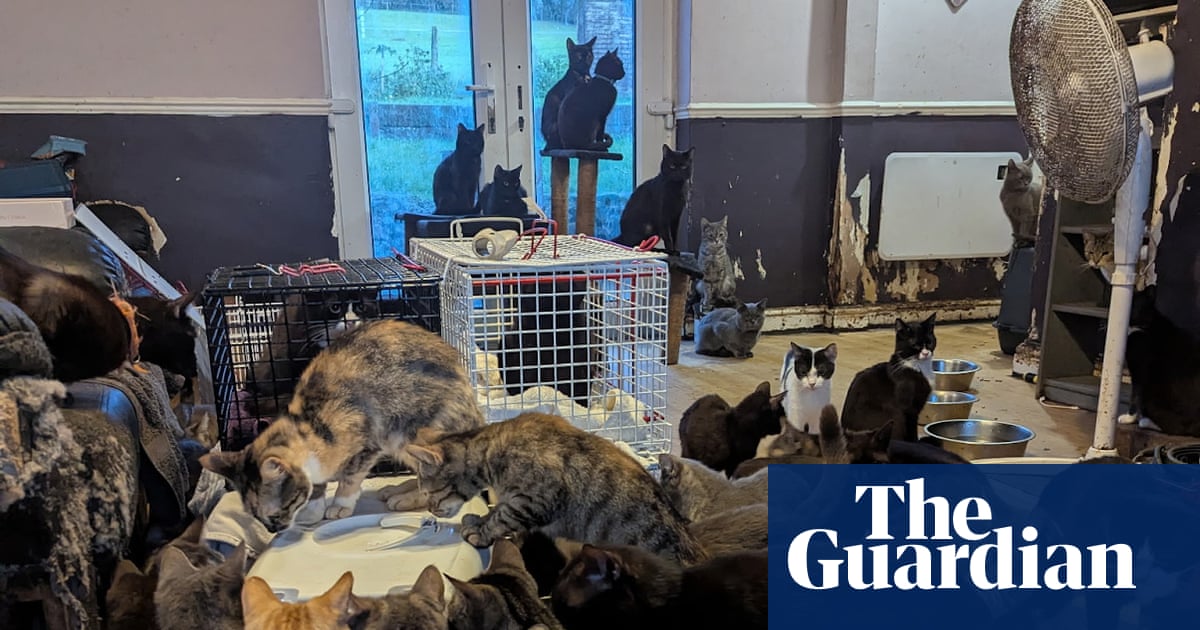
The surge in mass animal rescues reported by the Royal Society for the Prevention of Cruelty to Animals (RSPCA) is not simply an animal welfare issue, but a stark indictment of systemic failures in the social safety net. The rising cost of living, coupled with inadequate mental health support, is pushing individuals and families into desperate situations, with animals often bearing the brunt of this crisis. The RSPCA's data underscores the urgent need for comprehensive policy changes to address the root causes of poverty and mental illness.
The RSPCA's confirmation of the authenticity of a photograph depicting over 250 poodle-cross dogs rescued from a single property highlights the scale of the problem. While the RSPCA and Dogs Trust stepped in to care for these animals, such interventions are merely reactive measures. Proactive solutions require addressing the economic precarity that forces individuals to abandon or neglect their pets.
Superintendent Jo Hirst's observation that "people abandon animals because of the financial crisis we are all in" points to the inadequacy of existing support systems. The lack of affordable veterinary care, including neutering services, disproportionately impacts low-income communities, leading to uncontrolled breeding and overwhelming responsibilities for pet owners. This cycle of neglect is a direct consequence of policy choices that prioritize corporate profits over the well-being of working families.
A recent rescue involving over 450 animals, including approximately 70 horses and donkeys, found in deplorable conditions, underscores the severity of the crisis. The fact that barns and enclosures were knee-deep in faeces, with rotting forage underfoot, is a clear indication of systemic neglect. Similarly, the rescue of over 30 alpacas and 25 Scottish Fold cats from inadequate living conditions highlights the widespread nature of the problem. These cases are not isolated incidents, but symptoms of a larger societal failure.
Hirst's emphasis on the role of mental health crises further underscores the need for expanded access to mental healthcare services. "We are finding a lot of people in crisis sometimes because of their finances, but their mental crisis means they become overwhelmed, can’t see the issues and don’t know where to reach out for help,” she said. This statement highlights the interconnectedness of economic hardship and mental illness, and the need for integrated solutions that address both simultaneously.