Artemis Delay Raises Concerns About Equity and Sustainability in Space Exploration
As NASA postpones the lunar landing, questions arise about resource allocation, corporate influence, and the long-term impact on working families and environmental responsibility.
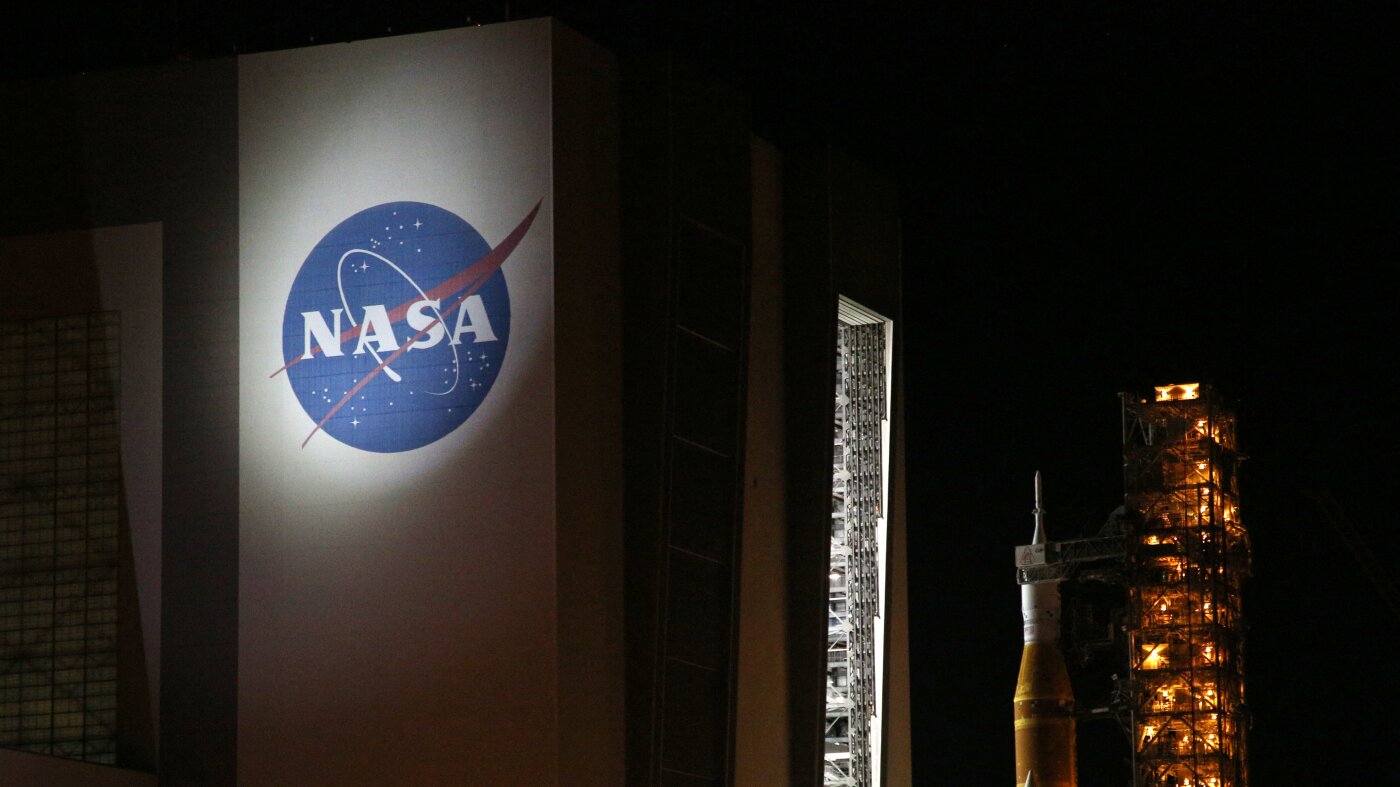
ORLANDO, Fla. — NASA's revised Artemis program, delaying the planned astronaut landing until 2028, sparks critical conversations about the ethical and societal implications of space exploration. While technical challenges with the SLS rocket—including helium flow issues and liquid hydrogen leaks—prompted the adjustment, this pause offers an opportunity to scrutinize the program's broader impact on social equity, environmental sustainability, and the role of corporate interests.
The initial Artemis schedule, ambitious in its aim to return humans to the moon, was already under scrutiny for its heavy reliance on costly and potentially unsustainable technologies. The shift in strategy, while presented as a means of expediting the landing schedule, raises concerns about the long-term viability of the program and its potential to exacerbate existing inequalities. The substantial investment in the Artemis program, which could be directed towards pressing issues on Earth such as climate change mitigation, affordable healthcare, or improved education systems, needs to be re-evaluated. The cost-benefit analysis must account for the social costs of neglecting these immediate needs in favor of lunar exploration.
The dependence on commercial space companies like SpaceX and Blue Origin further complicates the equation. While these partnerships offer innovative solutions, they also raise questions about corporate influence and the potential for prioritizing profit over public good. The privatization of space exploration should be approached with caution, ensuring that the benefits are shared equitably and that the interests of working families and marginalized communities are not overlooked. What measures are being taken to ensure that the technologies and innovations developed through the Artemis program are accessible and beneficial to all, rather than primarily serving the interests of a select few?
Administrator Isaacman's emphasis on addressing recurring issues with the SLS rocket underscores the importance of rigorous oversight and accountability. The technical difficulties encountered during the Artemis I and II missions highlight the need for greater transparency and public engagement in the decision-making process. A more inclusive approach, involving diverse perspectives from scientists, engineers, and community stakeholders, could lead to more robust and sustainable solutions.
The decision to modify the Artemis III mission, keeping it in Earth's orbit, presents an opportunity to refine the program's environmental impact assessment. The carbon footprint of space launches and the potential for space debris to pollute the environment are significant concerns that require careful consideration. NASA should prioritize the development of sustainable propulsion systems and responsible waste management practices to minimize the environmental consequences of space exploration.
Associate administrator Amit Kshatriya's assertion that the revised approach will increase momentum should be met with cautious optimism. True progress requires a holistic assessment of the program's social, environmental, and economic impacts. A more equitable and sustainable approach to space exploration is not only ethically imperative but also essential for ensuring the long-term success of the Artemis program and its contribution to a more just and prosperous future for all.
Standardizing the SLS rocket design and increasing the workforce could potentially create job opportunities, but it's crucial to ensure that these jobs are accessible to individuals from diverse backgrounds and that they offer fair wages and benefits. The Artemis program should serve as a catalyst for promoting STEM education and workforce development in underserved communities, empowering individuals to participate in the future of space exploration.
The parallels drawn between the revised Artemis approach and the Apollo mission architecture should prompt a critical examination of the historical context. The Apollo program, while a remarkable achievement, was also marked by social inequalities and environmental disregard. Learning from the past requires a commitment to addressing these shortcomings and ensuring that the Artemis program reflects a more inclusive and sustainable vision for the future.
Sources:
* National Aeronautics and Space Administration (NASA): [https://www.nasa.gov/](https://www.nasa.gov/) * United Nations Office for Outer Space Affairs (UNOOSA): [https://www.unoosa.org/](https://www.unoosa.org/) * Secure World Foundation: [https://swfound.org/](https://swfound.org/)