Artemis II Mission Nears Completion: A Milestone for Space Exploration, But What About Equity Back on Earth?
As the Artemis II crew returns home, questions linger about the program's societal impact and equitable distribution of its benefits.
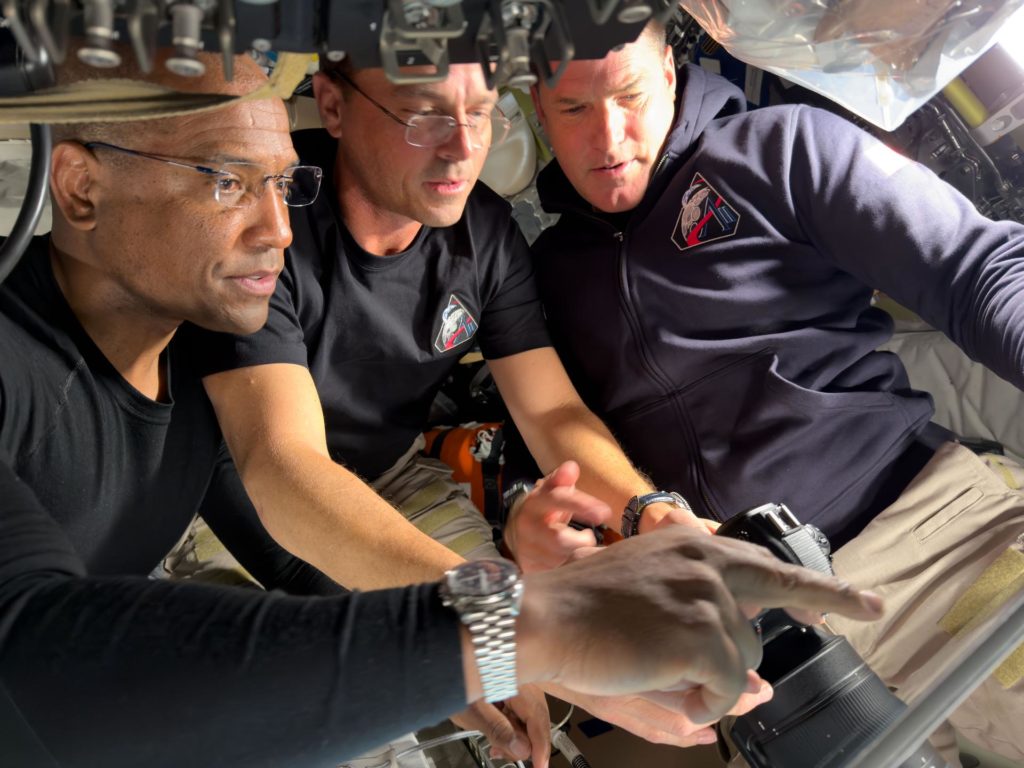
The Artemis II mission, with its crew of three Americans and one Canadian astronauts, is drawing to a close, culminating in a Pacific Ocean splashdown on Friday, after capturing what NASA touts as historic images of Earth. While this mission marks a significant achievement in space exploration, it's crucial to examine the broader societal implications and whether the substantial investment in Artemis translates into tangible benefits for all, particularly marginalized communities.
NASA's Artemis program aims to return humans to the Moon and establish a sustainable presence, ultimately paving the way for Mars missions. While the technological advancements and scientific discoveries are undeniable, it's essential to question who benefits most from these endeavors. Are the resources allocated to space exploration diverting attention and funding from pressing issues here on Earth, such as climate change, poverty, and healthcare?
The international collaboration inherent in the Artemis program, while commendable, must extend beyond national borders and encompass a commitment to global equity. As the space program advances, it is vital to ensure that the technologies and knowledge generated are used to address global challenges and promote sustainable development. This includes leveraging space-based technologies for environmental monitoring, disaster relief, and improved access to education and healthcare.
Furthermore, the Artemis program presents an opportunity to diversify the STEM fields and create pathways for underrepresented groups to participate in the space industry. NASA should prioritize initiatives that support STEM education in underserved communities and provide opportunities for women and minorities to pursue careers in science, technology, engineering, and mathematics. This requires a conscious effort to dismantle systemic barriers and create a more inclusive and equitable workforce.
The images of Earth captured during the Artemis II mission offer a unique perspective on our planet's fragility. However, this perspective must translate into concrete actions to protect our environment and address the climate crisis. The Artemis program should incorporate sustainability principles and minimize its environmental impact, both on Earth and in space. This includes developing sustainable propulsion systems, reducing waste, and protecting celestial bodies from contamination.
The challenges facing the Artemis program, including delays and cost overruns, raise concerns about the program's long-term sustainability and accountability. It is imperative that NASA ensures transparency and responsible stewardship of taxpayer dollars. The program's benefits must outweigh its costs, and its impacts must be carefully considered and mitigated.
While space exploration holds immense potential for scientific discovery and technological innovation, it is crucial to remember that our planet faces pressing challenges that demand immediate attention. The Artemis program should be viewed as an opportunity to address these challenges and create a more just and sustainable future for all. By prioritizing equity, sustainability, and responsible stewardship, NASA can ensure that the Artemis program benefits not only humanity's quest for knowledge but also the well-being of our planet and its inhabitants.
The promise of the Artemis program must be realized within a framework of social responsibility. As the Artemis II crew prepares for their splashdown, it is time to consider the program's broader implications and work towards a future where space exploration contributes to a more equitable and sustainable world for all.