Artemis II Mission's Triumph Overshadowed by Trump's Reckless Threats Against Iran
While a diverse crew pushes the boundaries of space exploration, Trump's dangerous rhetoric risks destabilizing an already fragile region and undermining diplomatic efforts.

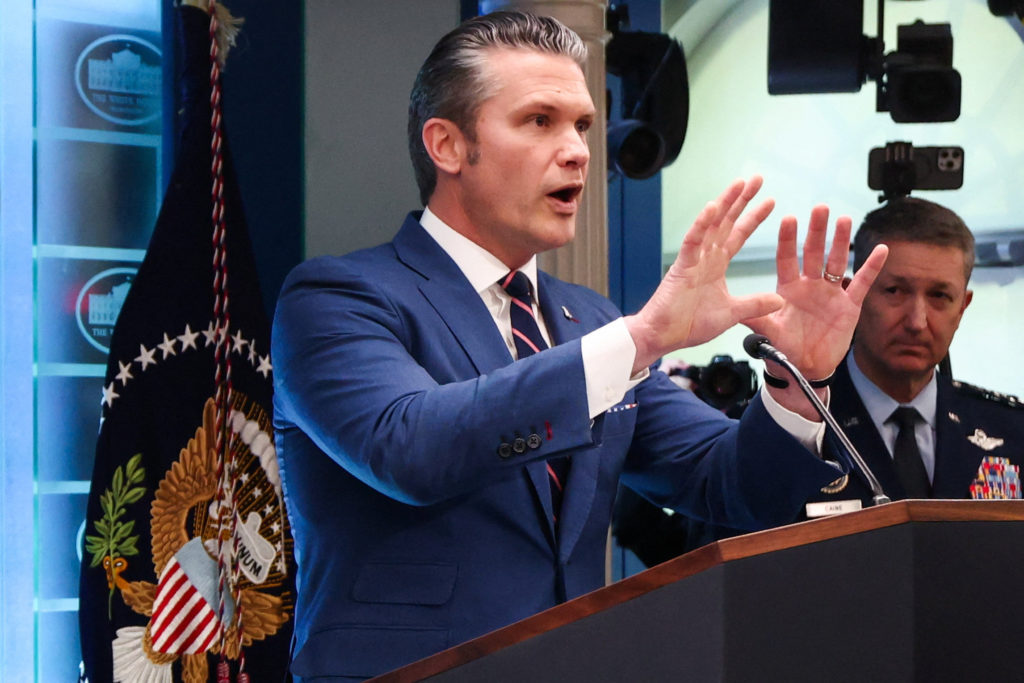
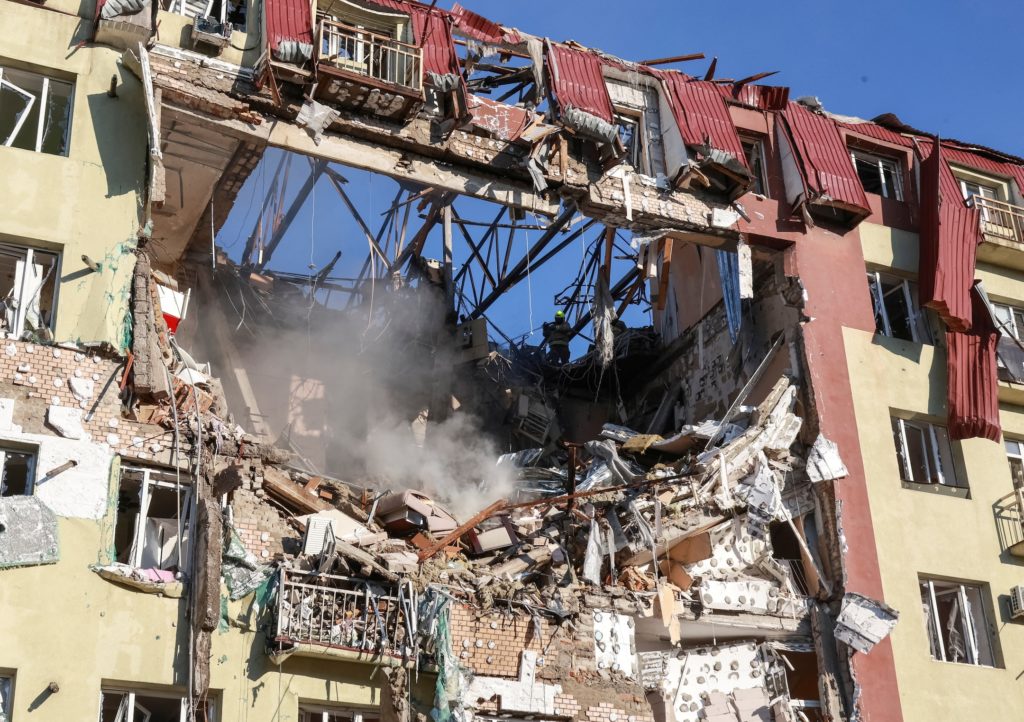
The Artemis II mission, a landmark achievement in space exploration, promises to send a diverse crew farther from Earth than ever before. This mission, intended to pave the way for a more inclusive and sustainable presence on the Moon, represents a beacon of hope and progress. The promise of this mission, however, is overshadowed by former President Donald Trump's alarming threat to attack Iran's power plants and bridges, a move that could trigger a humanitarian crisis and escalate regional tensions.
The Artemis program, while celebrated for its scientific advancements, must also be viewed through a critical lens. While NASA aims to include women and people of color in its missions, it is imperative to ensure that the program benefits all of humanity, not just a select few. The resources allocated to space exploration should be balanced with investments in addressing pressing social and environmental challenges on Earth.
Trump's threat against Iran is a stark reminder of the dangers of unilateralism and the need for diplomacy. His reckless rhetoric undermines years of efforts to de-escalate tensions in the region and could have devastating consequences for the Iranian people. Attacking Iran's infrastructure would disproportionately harm vulnerable populations and further destabilize an already volatile region.
The history of U.S.-Iran relations is fraught with conflict and mistrust. The U.S. withdrawal from the JCPOA, orchestrated by Trump, has exacerbated tensions and emboldened hardliners in both countries. This withdrawal, driven by ideological opposition to multilateralism, has undermined international efforts to prevent Iran from developing nuclear weapons.
Experts in international law and human rights have condemned Trump's threat as a potential war crime. Attacking civilian infrastructure violates fundamental principles of international humanitarian law and could lead to widespread civilian casualties. The international community must hold Trump accountable for his dangerous rhetoric and prevent him from taking actions that could have catastrophic consequences.
Progressives argue that the pursuit of peace and justice requires a commitment to diplomacy, international cooperation, and respect for human rights. Trump's threat against Iran is a betrayal of these values and a dangerous step towards war. The incoming administration must prioritize de-escalation and re-engage with Iran in a meaningful way.
The Artemis II mission represents a triumph of human ingenuity and collaboration. However, its significance is diminished by the looming threat of conflict in the Middle East. The pursuit of scientific progress must be accompanied by a commitment to peace, justice, and human rights. Only then can we truly build a better future for all.
The juxtaposition of these two events highlights the complex challenges facing the world today. While we celebrate the achievements of space exploration, we must also confront the dangers of militarism and unilateralism. The future depends on our ability to prioritize diplomacy, cooperation, and respect for human rights.
It is critical that the world condemns these threats and works to restore peace. We must work towards a future where people and not power plants are placed first.
These issues have implications for our future, and we must all be part of the discussion.
Only by working together can we ensure a positive path forward.