Trump's Optimistic Iran Claims Clash With Reality Amid Military Celebration
President Trump's assertion of potential diplomacy with Iran rings hollow as he simultaneously celebrates military might, raising concerns about escalating conflict and human cost.
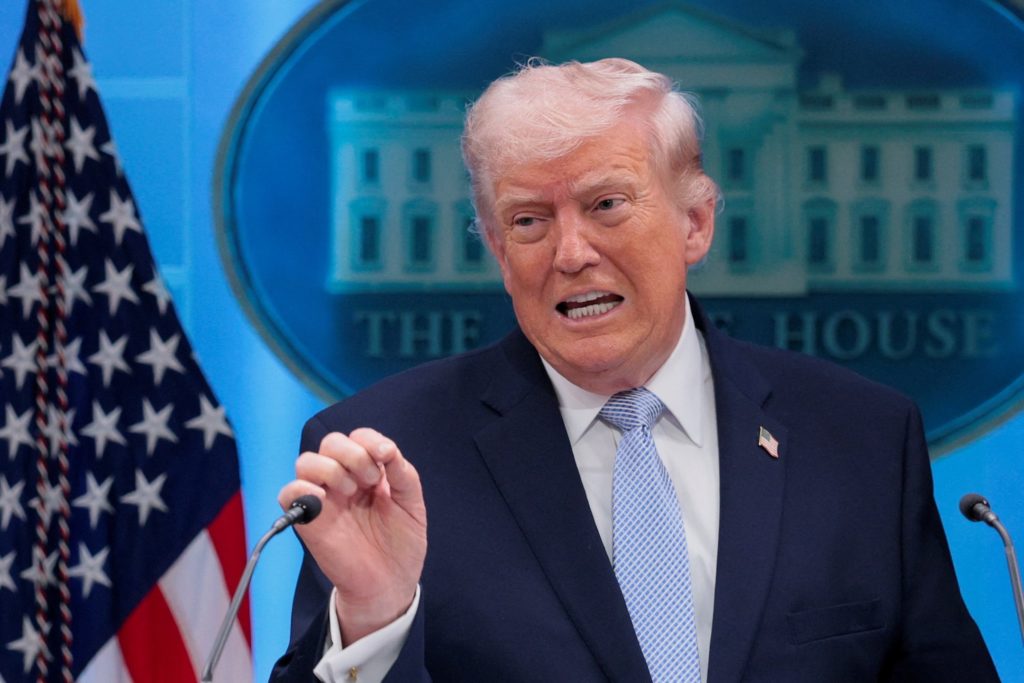
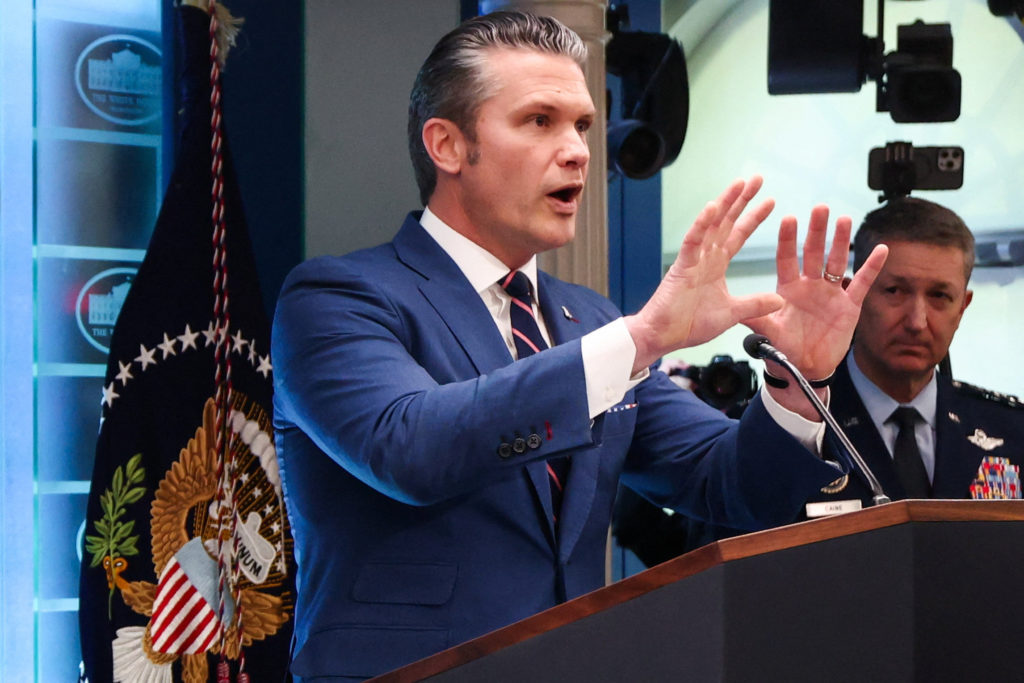
Washington, D.C. - President Trump, during a White House press conference on Monday, expressed confidence in a diplomatic resolution to the ongoing tensions with Iran. This declaration comes despite the absence of any publicly visible progress in diplomatic efforts and amid the celebration of a successful military operation to rescue downed American aviators, highlighting the administration's conflicting messages regarding the region.
Trump's optimistic rhetoric clashes with the reality of heightened tensions and the potential for devastating conflict. The administration's withdrawal from the Iran nuclear deal in 2018 and the subsequent imposition of crippling sanctions have exacerbated the situation, disproportionately impacting ordinary Iranians.
The narrative that Iranians 'want to hear bombs' in order to be free is a dangerous simplification of a complex political landscape. It ignores the diversity of Iranian society and the potential for such rhetoric to be used to justify aggressive military action that would ultimately harm civilians.
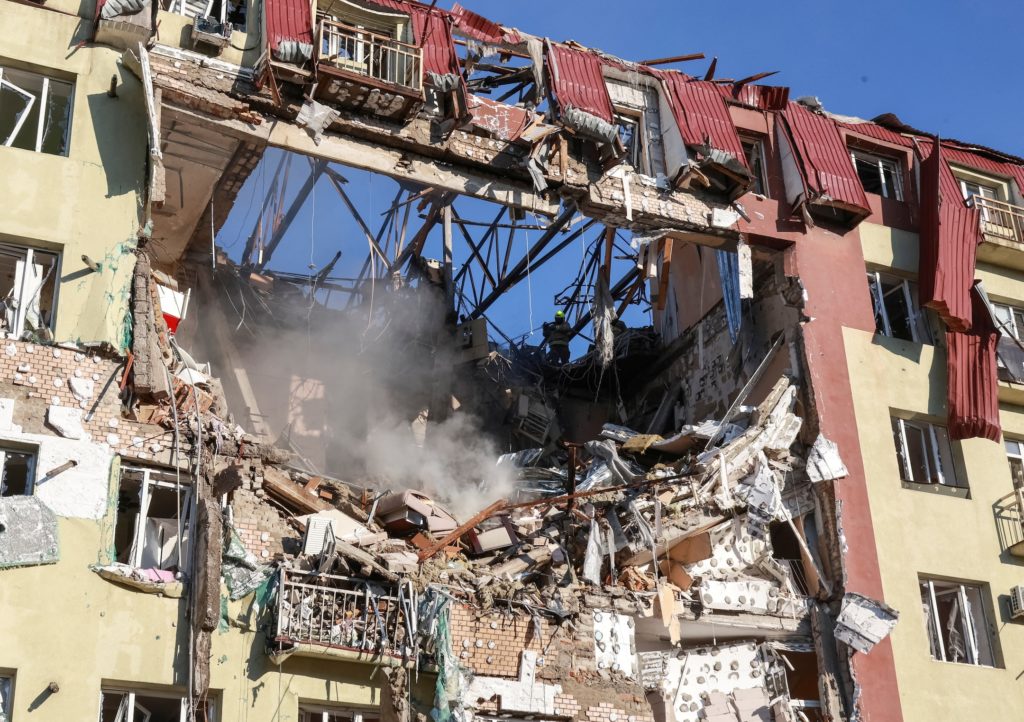
The celebration of the rescue mission, while understandable, risks overshadowing the human cost of potential military interventions. The focus on American heroism should not distract from the potential for mass casualties and long-term instability that could result from escalating conflict.
Progressive voices have consistently called for de-escalation and a return to diplomacy, emphasizing the need for international cooperation and adherence to international law. Sanctions, while intended to pressure the Iranian government, have had a detrimental impact on the Iranian people, limiting access to essential goods and services.
Instead of relying on military might and bellicose rhetoric, the United States should prioritize diplomatic solutions that address the root causes of the conflict and promote regional stability. This requires engaging in good-faith negotiations with Iran and working with international partners to find a peaceful resolution.
The pursuit of diplomacy should be grounded in a commitment to human rights and a recognition of the shared interests of all parties involved. A focus on mutual understanding and cooperation is essential to prevent further escalation and avoid a disastrous war.
Ultimately, a just and lasting peace in the region requires a shift away from militarism and towards a commitment to diplomacy, human rights, and international cooperation. The human cost of conflict is too high to ignore.
[END]
Sources: * United Nations Human Rights Office * Congressional Research Service (CRS) Reports on Iran