Trump's Threats Against Iran Raise Fears of Humanitarian Catastrophe and Potential War Crimes
Targeting Iranian infrastructure could devastate civilian populations and violate international law, experts warn.
President Trump's recent threat to bomb Iranian bridges and power plants has ignited widespread condemnation and fears of a potential humanitarian catastrophe. Legal experts warn that such actions could constitute war crimes, potentially devastating the lives of ordinary Iranians who already struggle under the weight of U.S. sanctions.
Trump's bellicose rhetoric is the latest escalation in a long-standing conflict fueled by the U.S. withdrawal from the Iran nuclear deal (JCPOA). This agreement, painstakingly negotiated under the Obama administration, offered a path to de-escalation and regional stability. Trump's decision to abandon the deal and reimpose sanctions has created immense economic hardship for the Iranian people, impacting access to food, medicine, and essential services.
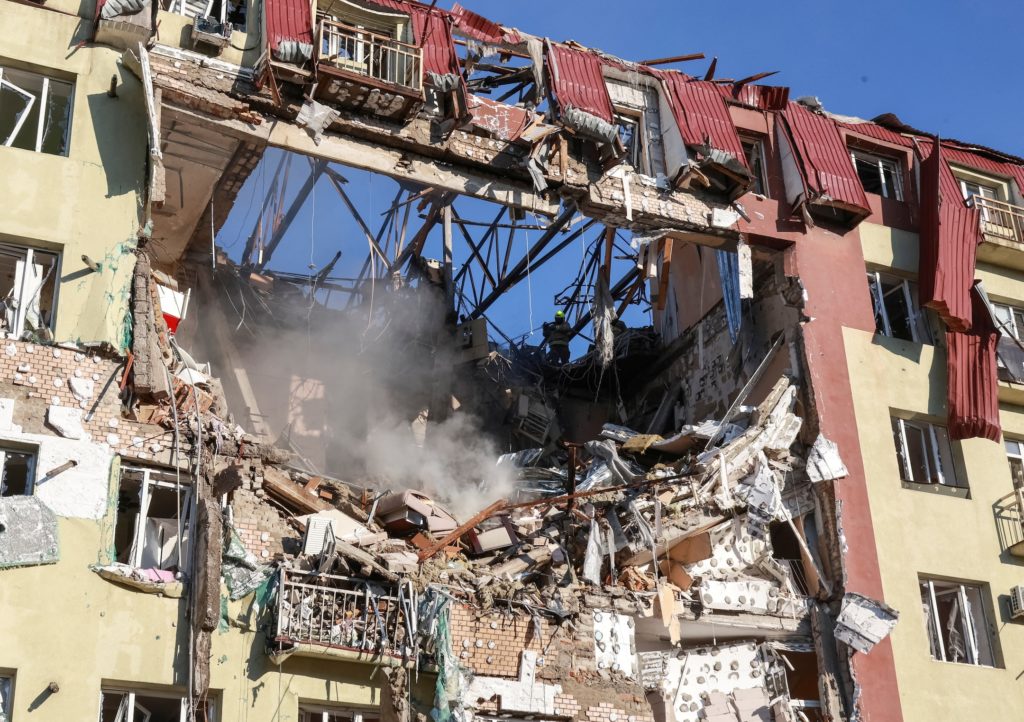
Targeting Iran's infrastructure would disproportionately harm the most vulnerable populations. Power plants, bridges, and other essential structures are vital for maintaining basic services such as hospitals, water treatment facilities, and food distribution networks. Destroying these targets would have a cascading effect, leading to widespread suffering and potentially triggering a humanitarian crisis of immense proportions.
International law, as enshrined in the Geneva Conventions and the Rome Statute, explicitly prohibits targeting civilian infrastructure during armed conflict. Such actions are considered war crimes, particularly if they cause excessive harm to civilians. While the U.S. military claims to adhere to strict rules of engagement, the potential for civilian casualties and collateral damage is undeniable in any military action against Iran.
Critics argue that Trump's threats are a reckless gamble that could lead to a wider regional conflict. The consequences of such a war would be devastating, not only for Iran but for the entire Middle East. Millions could be displaced, and the region's fragile infrastructure could be destroyed, exacerbating existing humanitarian crises.
The international community must hold the U.S. accountable for its actions and demand a return to diplomacy. A peaceful resolution to the conflict is essential to prevent further suffering and ensure regional stability. Continuing on the current path of escalation will only lead to more violence, instability, and human rights abuses. The lives and well-being of millions of Iranians hang in the balance. We need to find a diplomatic resolution before it's too late.
The potential impact on the environment cannot be ignored either. Bombing infrastructure can release harmful toxins into the environment, causing long-term damage to the air, water, and soil. This can have serious consequences for public health and exacerbate existing environmental problems.
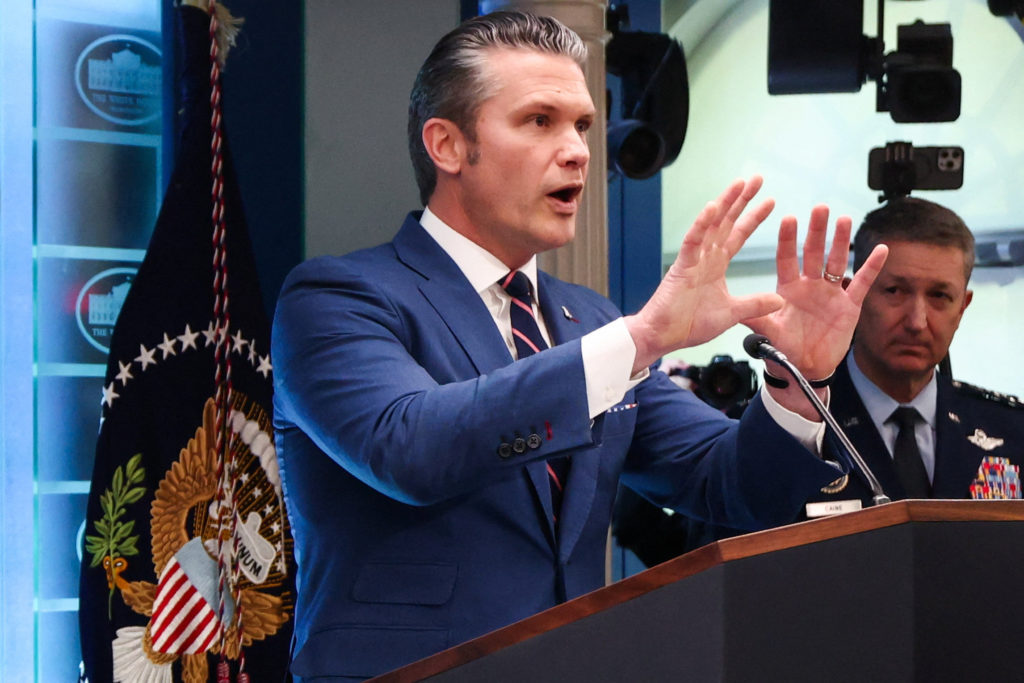
It's also crucial to consider the historical context of U.S. intervention in the Middle East. Decades of military intervention and political interference have destabilized the region and contributed to countless deaths and displacement. Another war in Iran would only add to this tragic legacy. Hegseth and Caine held a Pentagon briefing; the content of that briefing remains undisclosed, causing further unease.