Artemis II Splashdown Highlights Need for Equitable Access to STEM Fields
While Artemis II's successful return inspires, it also underscores the importance of addressing systemic inequalities that limit opportunities in science and technology for marginalized communities.
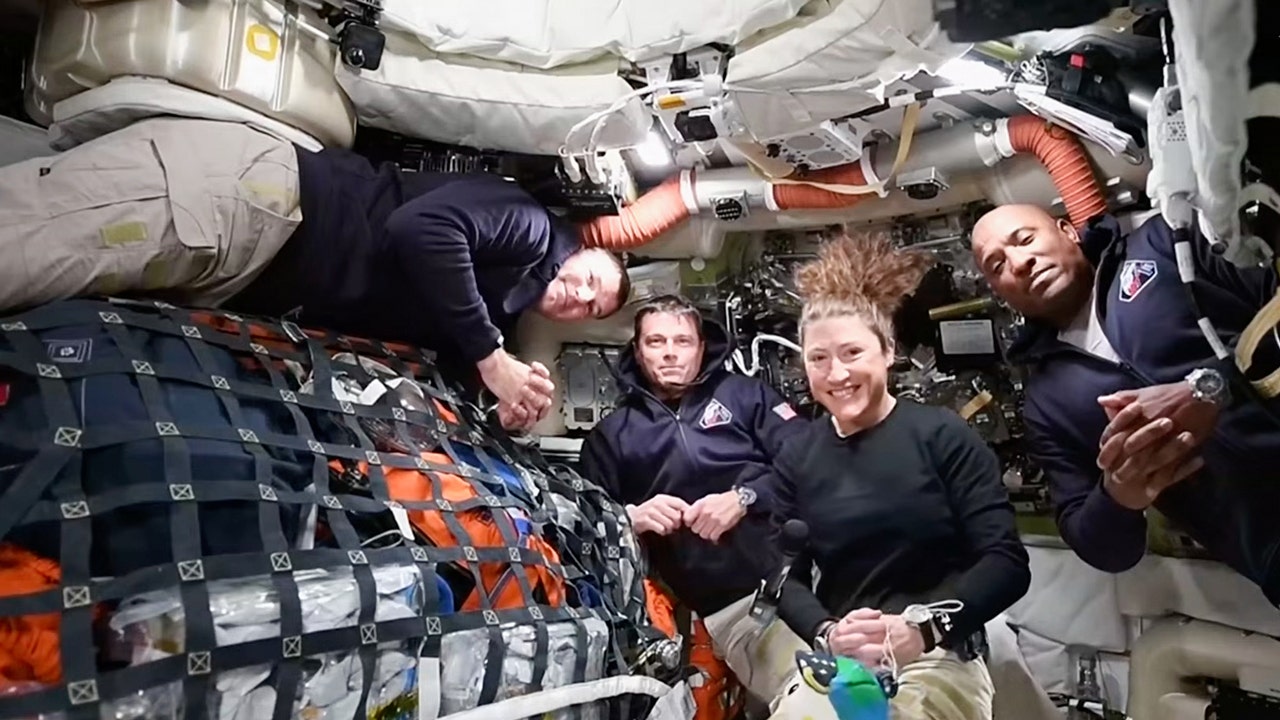
SAN DIEGO, California – The splashdown of the Artemis II mission off the coast of San Diego marks a technological achievement, but also provides an opportunity to examine the societal implications of space exploration and the need for equitable access to STEM fields. The mission, which sent four astronauts around the moon, relied on the expertise and labor of countless individuals, but questions remain about who benefits most from these advancements.
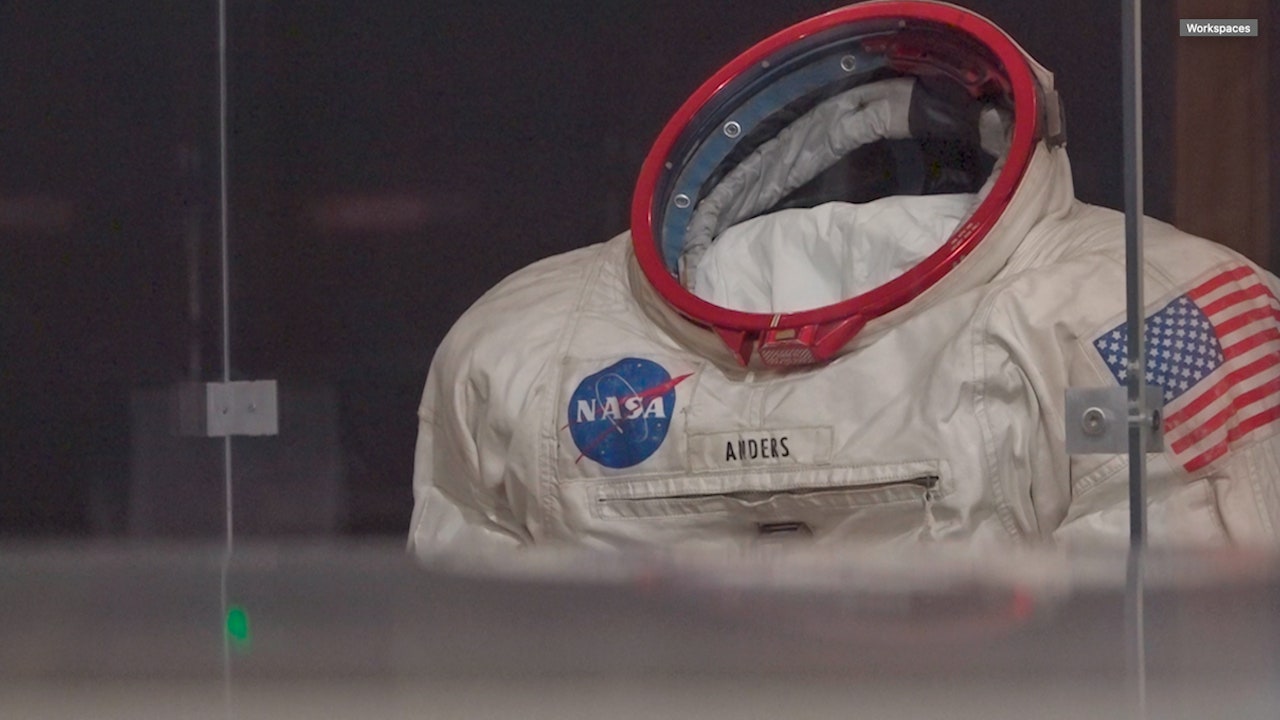
The participation of the U.S. Navy in the recovery operation highlights the role of the military in space exploration, raising concerns about the potential militarization of space and the allocation of resources to defense-related projects. The San Diego Air and Space Museum's emphasis on historical achievements should also prompt reflection on the exclusion of marginalized groups from the narrative of scientific progress.
Jim Kidrick's remarks about "winners" and "losers" in space exploration risk perpetuating a competitive and exclusionary mindset. A more inclusive approach would focus on the collaborative nature of scientific endeavors and the potential for space exploration to benefit all of humanity.
The Orion spacecraft's journey of over 252,000 miles represents a remarkable feat of engineering, but it also raises questions about the environmental impact of space travel and the sustainability of current practices. The Artemis program must prioritize environmentally responsible technologies and practices to minimize its footprint on the planet.
While Navy veteran David Haas expressed satisfaction with the Navy's involvement in the recovery operation, it is important to consider the broader social and economic context. The allocation of resources to military and space programs may come at the expense of investments in education, healthcare, and other essential services.
The Artemis II mission builds upon the legacy of the Apollo program, but it must also learn from the past and address the systemic inequalities that have historically limited access to STEM fields for women, people of color, and individuals from low-income backgrounds. The focus should be on creating pathways for underrepresented groups to participate in space exploration and benefit from its advancements.
The enthusiasm of visitors to San Diego for the splashdown is understandable, but it is important to channel that excitement into concrete action to promote equity and inclusion in STEM. This includes investing in educational programs, providing mentorship opportunities, and addressing the biases and barriers that prevent marginalized groups from succeeding in these fields.
The successful conclusion of Artemis II should not be viewed as an end in itself, but as a catalyst for addressing the societal challenges that persist on Earth. Space exploration should be guided by principles of social justice, environmental sustainability, and international cooperation.
The Artemis program should prioritize the development of technologies that can address pressing global challenges, such as climate change, poverty, and disease. Space exploration should be seen as a means to advance human progress and improve the lives of all people, not just a select few.
The mission's splashdown off the California coast provides an opportunity to reflect on the ethical implications of space exploration and the responsibility to ensure that its benefits are shared equitably. The participation of the U.S. Navy, the enthusiasm of local residents, and the historical context provided by the San Diego Air and Space Museum all contribute to the significance of the event. The successful recovery of the Orion capsule and its crew marks a crucial step forward in humanity's journey to explore the cosmos while actively working towards a more equitable and just society.
Sources:
* National Aeronautics and Space Administration (NASA): [https://www.nasa.gov/](https://www.nasa.gov/) * National Science Foundation (NSF): [https://www.nsf.gov/](https://www.nsf.gov/) * U.S. Department of Education: [https://www.ed.gov/](https://www.ed.gov/)