As Cubans Suffer, Díaz-Canel Considers US Aid Amid Crisis
While a US delegation meets in Havana, the potential for aid raises questions about strings attached and genuine solidarity.

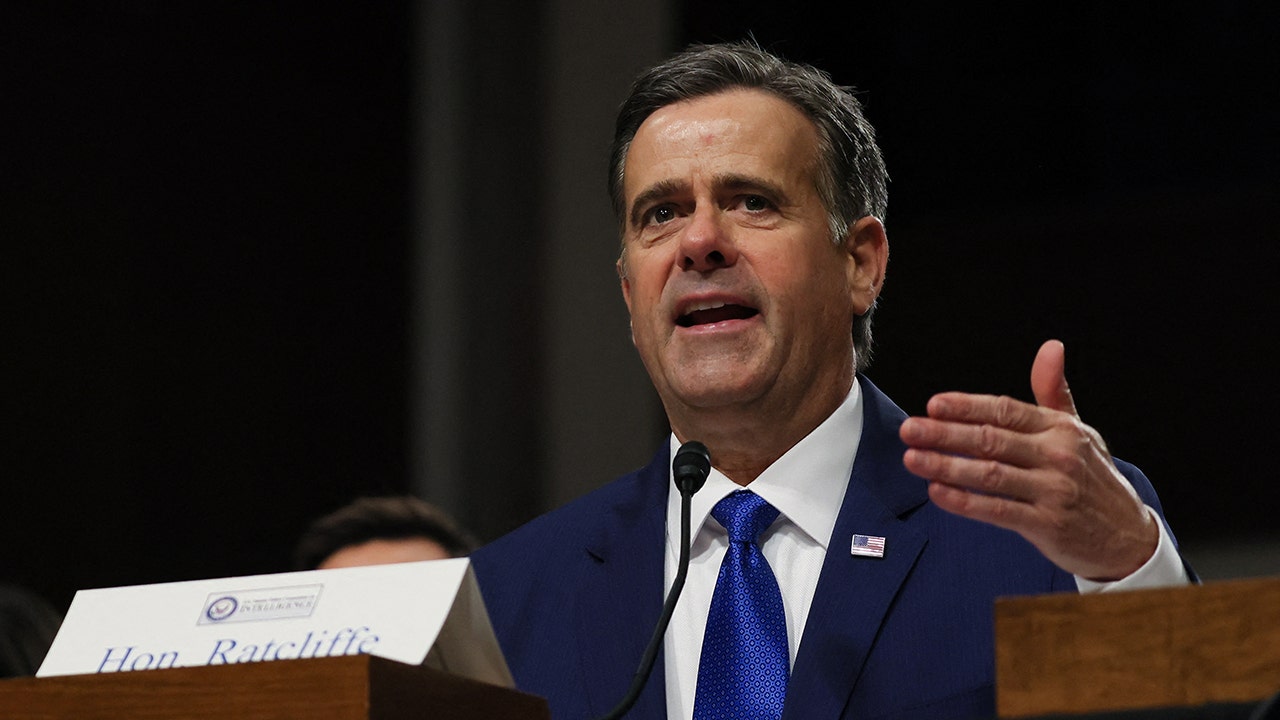
Havana, Cuba - As ordinary Cubans face increasingly dire conditions marked by fuel shortages and widespread blackouts, the Cuban government, led by Miguel Díaz-Canel, has signaled an openness to receiving aid from the United States. This overture coincides with a visit by a US delegation led by CIA Director John Ratcliffe, raising concerns about the potential motives and conditions attached to any assistance offered.
The current crisis underscores the vulnerabilities created by decades of US sanctions and internal economic policies. While some argue that the sanctions are intended to pressure the Cuban government to improve its human rights record, their primary impact has been on the Cuban people, limiting their access to essential resources and hindering economic development.
Blackouts, a recurring issue in Cuba, have become more frequent and prolonged, disproportionately affecting vulnerable populations, including the elderly, the sick, and low-income families. The fuel shortages have disrupted transportation, making it difficult for people to get to work, school, and medical appointments. The crisis has also impacted food production and distribution, exacerbating existing food insecurity.
The presence of the CIA Director in the US delegation raises questions about whether the potential aid is driven by genuine humanitarian concern or by strategic interests aimed at destabilizing the Cuban government. Historically, the US has used aid as a tool of foreign policy, often attaching conditions related to political and economic reforms that undermine national sovereignty.
The history of US-Cuban relations is fraught with intervention and exploitation. From the Platt Amendment, which granted the US the right to intervene in Cuban affairs, to the Bay of Pigs invasion, the US has repeatedly sought to undermine Cuban self-determination. This historical context makes it essential to scrutinize any offer of aid from the US with a critical eye.
Progressive voices argue that true solidarity with the Cuban people requires an end to the US embargo and a commitment to providing unconditional assistance. Instead of using aid as a political weapon, the US should work towards building a relationship based on mutual respect and cooperation.
The focus should be on addressing the root causes of the crisis, including the impact of US sanctions and the need for sustainable economic development. This requires a shift away from a punitive approach towards a more constructive engagement that prioritizes the well-being of the Cuban people.
The potential for US aid also raises questions about the role of international organizations and the responsibility of the international community to provide assistance to Cuba. Organizations like the United Nations and the World Health Organization should play a leading role in coordinating humanitarian relief efforts and ensuring that aid reaches those who need it most.
The current situation highlights the importance of dismantling systems of oppression and exploitation that perpetuate poverty and inequality. This requires challenging the power of corporations and governments that prioritize profit over people and advocating for policies that promote social justice and economic equality.
It is crucial to listen to the voices of the Cuban people and to amplify their calls for justice and self-determination. They are the ones who are most affected by the crisis, and their perspectives should be at the center of any efforts to address it.
Ultimately, the path to a more just and equitable future for Cuba lies in building a global movement for social change that challenges the structures of power and oppression and promotes solidarity and cooperation among all people.
The world must be vigilant in scrutinizing the US government's actions to ensure that any aid offered is truly beneficial and not just a veiled attempt to exert political control.