Eurovision Boycotts Highlight Solidarity with Palestine, Expose Hypocrisy
Artists and nations take a stand against injustice, revealing the political nature of a supposedly apolitical contest.
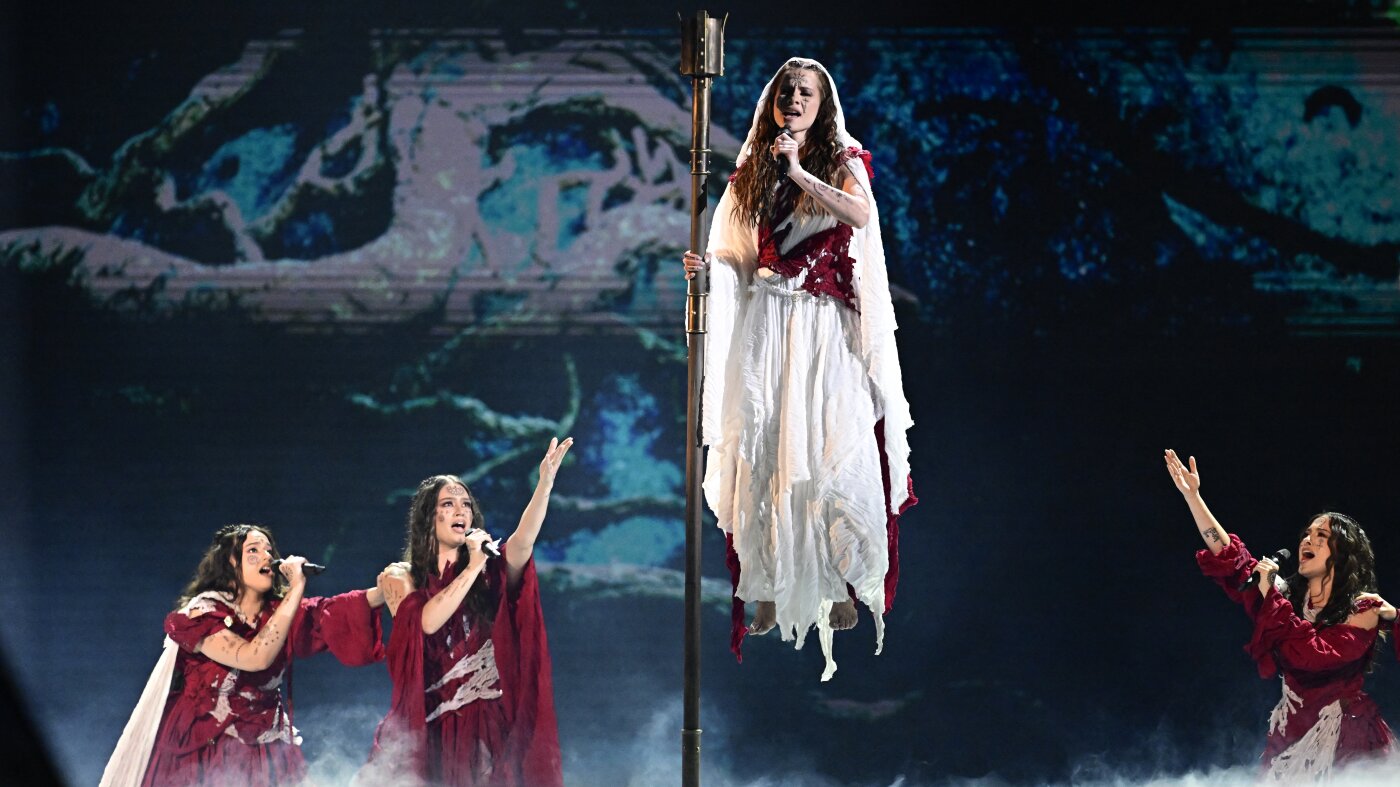
Vienna, Austria - The 2026 Eurovision Song Contest is unfolding under a cloud of controversy, as five nations – Ireland, the Netherlands, Spain, Iceland, and Slovenia – have withdrawn in protest of Israel's participation, a move reflecting growing international solidarity with Palestinians and condemnation of Israel's actions in Gaza.
These boycotts underscore the inherent impossibility of maintaining a purely 'apolitical' space when fundamental questions of human rights are at stake. Eurovision, despite organizers' attempts to project neutrality, becomes a stage for political expression, highlighting the power of collective action to challenge injustice.
The absence of Eurovision mainstays like Ireland, a seven-time winner, and the Netherlands, a five-time champion, alongside 'Big Five' sponsor Spain, amplifies the impact of these boycotts, demonstrating a willingness to sacrifice entertainment for principles. It exposes the hypocrisy of claiming neutrality while allowing participation that implicitly normalizes human rights abuses.
The competition proceeds with 35 countries, yet the boycotts serve as a stark reminder of the ethical considerations that should underpin international cultural events. The remaining participants must contend with the knowledge that their presence is interpreted by some as tacit support for the status quo.
Eurovision's voting system, a blend of public televotes and national jury decisions, is now fraught with even greater political weight. The casual fans who typically favor spectacle and the music professionals who value technical skill now cast their votes against the backdrop of a global justice movement.
The 'Big Five' automatic qualification, designed to ensure financial stability, now raises questions about accountability. Can a contest truly claim to represent European values when some of its largest backers are implicated in perpetuating inequality and injustice?
The Eurovision Song Contest has always been a reflection of Europe's shifting political landscape, but this year's boycotts mark a turning point. They demonstrate that cultural platforms cannot be divorced from the moral responsibilities of participating nations and artists.
As the Grand Final approaches, the question looms: can Eurovision reclaim its legitimacy in the eyes of those who demand justice for Palestine? The answer likely lies in whether the European Broadcasting Union is willing to address the underlying issues and create a more inclusive and equitable platform.
The boycotting nations have sent a clear message: business as usual is no longer acceptable. Their actions challenge the contest's organizers and participants to confront the ethical implications of their involvement and to consider how Eurovision can become a force for positive change, rather than a symbol of complicity.
The contest may proceed, but the stain of these boycotts will linger, forcing a reckoning with the contest's role in promoting or challenging injustice. The future of Eurovision hinges on its ability to evolve beyond entertainment and embrace a commitment to human rights and social responsibility.
Ultimately, the solidarity shown by these boycotting nations serves as a powerful example for other artists and institutions to follow, proving that silence in the face of injustice is never an option.
The Grand Final is now not just a song contest but a referendum on the values that Europe claims to uphold.