Akron Plane Crash Highlights Risks of Unregulated Airspace in Residential Areas
The tragic deaths of two individuals in Akron raise questions about the proximity of flight paths to residential neighborhoods and the need for stricter safety regulations.
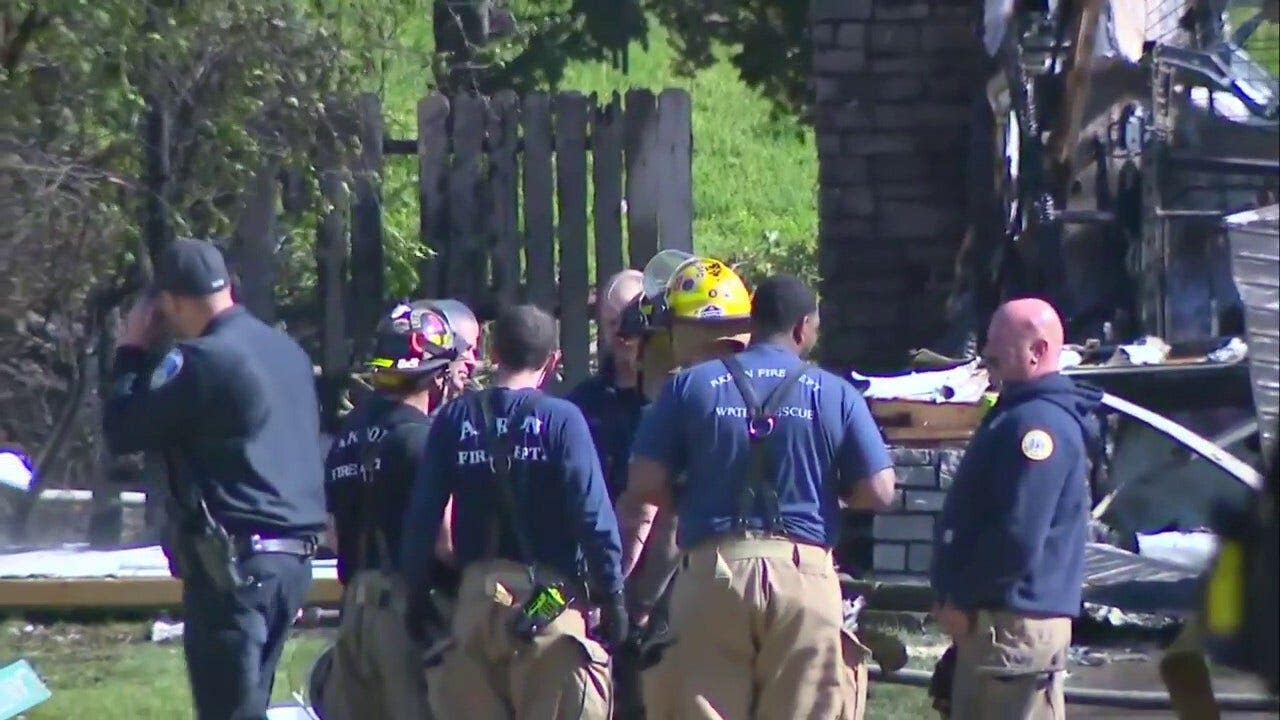
AKRON, Ohio – The fatal crash of a small plane into an Akron home, claiming the lives of two people, has ignited a debate about the safety of residential areas near airports and flight paths and the potential impact of deregulation on air safety. The incident, which occurred at approximately 3:45 p.m. local time, resulted in a fire and the evacuation of nearby homes.
The Piper PA-28 aircraft, according to the FAA, crashed just 15 minutes south of downtown Akron, raising concerns about the placement of flight corridors in relation to densely populated areas. Critics argue that the increasing pressure on airports to accommodate more flights, coupled with relaxed regulations, may be contributing to a higher risk of accidents in residential zones.
The deaths of the two individuals on board underscore the human cost of prioritizing economic efficiency over community safety. Advocates for stricter regulations argue that a more proactive approach is needed to prevent future tragedies, including enhanced safety inspections, updated air traffic control technology, and buffer zones around airports.
American Winds College of Aeronautics, a local flight school, acknowledged the crash in a Facebook post, stating that its own aircraft were accounted for. However, community members are questioning the overall safety standards of flight schools and the oversight provided by regulatory agencies.
The FAA and NTSB investigations will be critical in determining the cause of the crash, but some community activists are already calling for a broader review of aviation safety policies. They point to similar incidents in other cities as evidence of a systemic problem that requires a comprehensive solution. The investigation must consider not only the technical aspects of the crash but also the social and economic factors that contribute to the vulnerability of residential communities near airports.
The crash also raises concerns about environmental justice. Lower-income neighborhoods are often located closer to industrial areas and transportation hubs, including airports, which exposes residents to higher levels of pollution and increased safety risks. This incident serves as a stark reminder of the disproportionate impact of environmental hazards on marginalized communities.
The incident occurs amid ongoing debates about infrastructure development and the allocation of resources. Critics argue that investing in public transportation and sustainable alternatives would reduce the reliance on air travel and mitigate the associated risks. A shift toward more environmentally friendly modes of transportation could also create new economic opportunities and improve the quality of life for residents.
The NTSB database contains numerous records of small plane crashes, highlighting the persistent safety challenges in general aviation. Many of these accidents are attributed to pilot error, mechanical failure, or weather conditions, but underlying factors such as inadequate training and maintenance practices also play a role.
The community of Akron is now grappling with the aftermath of this tragedy, and many residents are demanding answers and accountability. The incident has galvanized local activists to advocate for stronger safety regulations and greater community involvement in aviation planning decisions. The victims deserve justice, and their deaths should serve as a catalyst for positive change.
The investigation into the Akron plane crash must be thorough and transparent, with a focus on identifying the root causes and implementing effective measures to prevent similar tragedies in the future. The safety of residential communities should be paramount, and no effort should be spared to protect residents from the risks of air travel.