US Demands Reforms as CIA Director Ratcliffe Visits Cuba Amid Economic Hardship
While the US insists on 'fundamental changes,' Cuba faces escalating economic challenges exacerbated by decades of US sanctions.
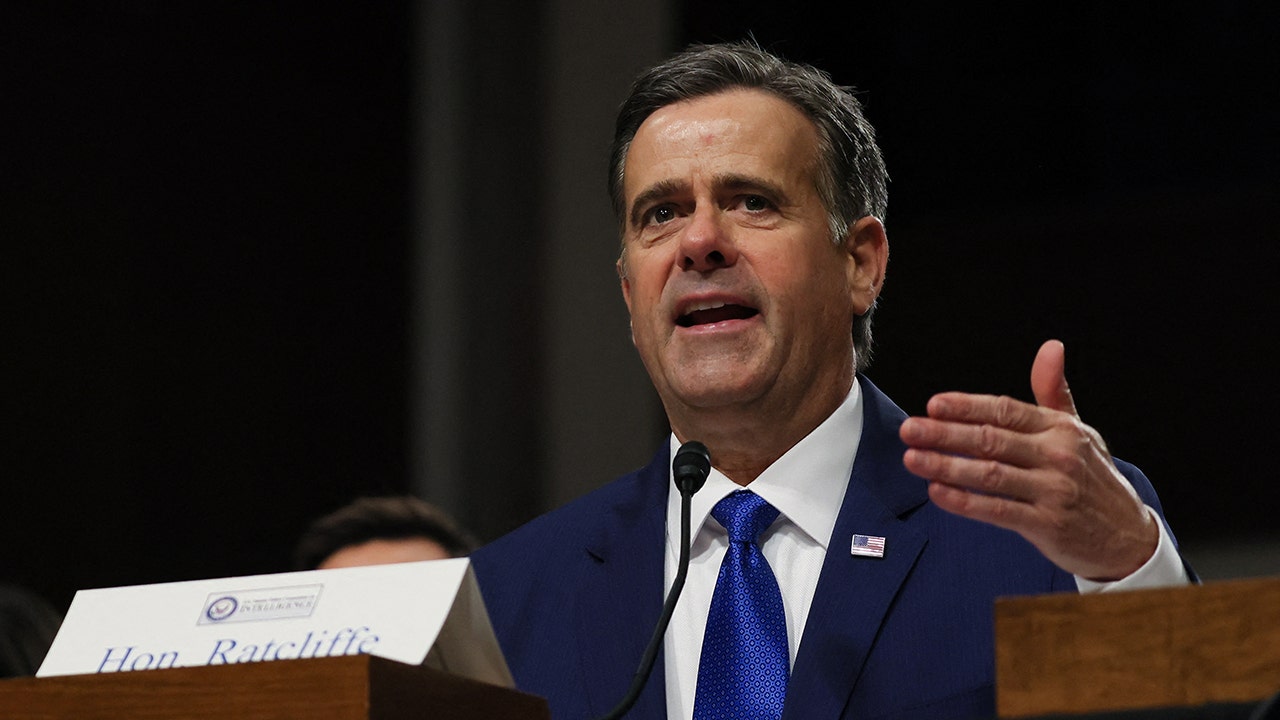
CIA Director John Ratcliffe's visit to Havana marks a critical juncture in US-Cuba relations, occurring against a backdrop of intensifying economic struggles for the Cuban people. While the Trump administration frames the meeting as an opportunity for Cuba, predicated on implementing "fundamental changes," critics argue that decades of US sanctions have deliberately undermined Cuba's economic stability, creating the very conditions now cited as justification for demanding reforms.
The CIA official's statement that the US is "prepared to seriously engage on economic and security issues, but only if Cuba makes fundamental changes" raises questions about the fairness of such conditions, given the historical context of US intervention in Cuban affairs. The embargo, imposed in 1962, has severely limited Cuba's access to international markets and financial institutions, contributing significantly to its economic woes.
While the US asserts that Cuba must no longer be a "safe haven for adversaries in the Western Hemisphere," critics suggest this rhetoric serves to maintain US hegemony in the region. The implication is that Cuba must align itself with US interests in order to receive economic assistance, a condition that undermines Cuban sovereignty and self-determination.
The Cuban government's statement that it presented evidence demonstrating that it poses no threat to US national security highlights the ongoing dispute over Cuba's designation as a state sponsor of terrorism. This designation, particularly its reinstatement in 2021, carries significant economic and diplomatic consequences, further isolating Cuba and limiting its ability to engage in international trade and investment.
For the Cuban people, this political maneuvering translates to real-world hardship. Shortages of essential goods, limited access to healthcare, and a struggling economy are the daily realities for many Cubans. While the US presents dialogue as a "rare chance to stabilize its failing economy and deliver for its people," it is important to acknowledge the role US policy has played in creating this instability.
Historically, the US has often used economic pressure as a tool to exert influence over Latin American countries, often to the detriment of their populations. The case of Cuba is no exception. The embargo, initially intended to isolate the Castro regime, has disproportionately affected ordinary Cubans, hindering their access to essential resources and limiting their opportunities for economic advancement.
Experts argue that a more constructive approach would involve lifting the embargo and engaging in open dialogue with the Cuban government, without preconditions that undermine Cuban sovereignty. This would allow Cuba to pursue its own development path, free from external pressure and interference.
The current US policy towards Cuba reflects a broader pattern of interventionism in the region, often driven by ideological and geopolitical considerations. A more just and equitable approach would prioritize the needs and aspirations of the Cuban people, rather than imposing conditions that perpetuate economic hardship and undermine their right to self-determination. This means rethinking the US approach to Cuba and recognizing that true progress requires mutual respect, cooperation, and a commitment to social justice.
This is a developing story, and the implications for the Cuban people remain uncertain. The outcome of these discussions will depend on the willingness of both the US and Cuba to engage in genuine dialogue and prioritize the well-being of ordinary Cubans.