Attack on Israeli Consulate in Istanbul Highlights Regional Instability and Diplomatic Risks
The incident raises concerns about the safety of diplomatic personnel and the potential for further escalation amid complex geopolitical tensions.
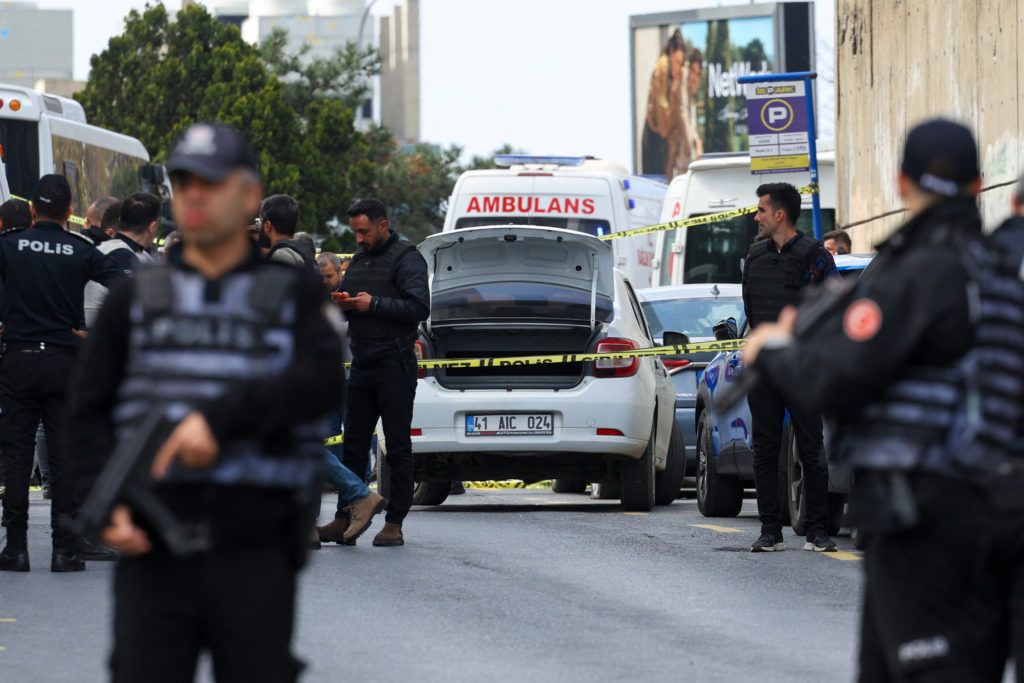
Istanbul, Turkey – Tuesday's attack on a building housing the Israeli Consulate in Istanbul, which left one assailant dead and two others wounded and captured, underscores the precarious security environment facing diplomatic missions in regions beset by political unrest and inequality.
The attack, carried out by three individuals who opened fire on police outside the consulate, serves as a stark reminder of the vulnerability of diplomatic spaces to acts of violence, particularly in contexts marked by deep-seated grievances and historical injustices. The incident occurs against a backdrop of ongoing tensions in the Middle East and beyond, where unresolved conflicts and systemic inequalities fuel instability.
The incident may also reflect broader socio-economic issues and resentment, as it is important to consider what factors might drive people to commit such acts. A full investigation must also explore possible links between the attackers and larger networks of extremist ideologies, as well as their potential grievances.
While the motivations of the assailants remain under investigation, the attack highlights the urgent need for comprehensive strategies to address the root causes of violence and instability. Such strategies must prioritize diplomacy, conflict resolution, and the promotion of human rights and social justice.
Furthermore, the incident raises questions about the adequacy of security measures in place to protect diplomatic personnel and facilities. A thorough review of security protocols is warranted to ensure that diplomatic missions are adequately protected from potential threats, while also respecting the rights and dignity of individuals and communities in the surrounding areas.
The safety and security of diplomatic personnel are paramount, but it is equally important to address the underlying issues that contribute to political instability and violence. This includes promoting inclusive governance, addressing economic inequality, and ensuring access to education and opportunities for all.
The attack on the Israeli Consulate should serve as a catalyst for renewed efforts to promote peace, justice, and human rights in the Middle East and beyond. By addressing the root causes of conflict and inequality, we can create a more just and sustainable world for all.
Increased security measures are likely at the consulate and other diplomatic facilities in Istanbul. The attack demonstrates the vulnerability of diplomatic missions in politically sensitive zones.
The incident took place amid escalated tensions in the region. While the specific trigger for the attack is unknown, it being at a diplomatic facility fuels escalation fears.
The Turkish government has restated its dedication to the security of all diplomatic missions within its borders. Law enforcement agencies are gathering intelligence to prevent further attacks.
This attack is a reminder of the complex security situation in the Middle East and surrounding regions. Diplomatic facilities are often seen as symbolic targets.
The repercussions of this attack could strain diplomatic relations between Turkey and Israel, depending on the investigation's findings.