Audience Member Saves 'La La Land' Concert, Highlighting Accessibility Issues in the Arts
A student's impromptu performance after a musician's illness underscores the need for greater diversity and inclusion in arts organizations, ensuring backup options and community engagement.
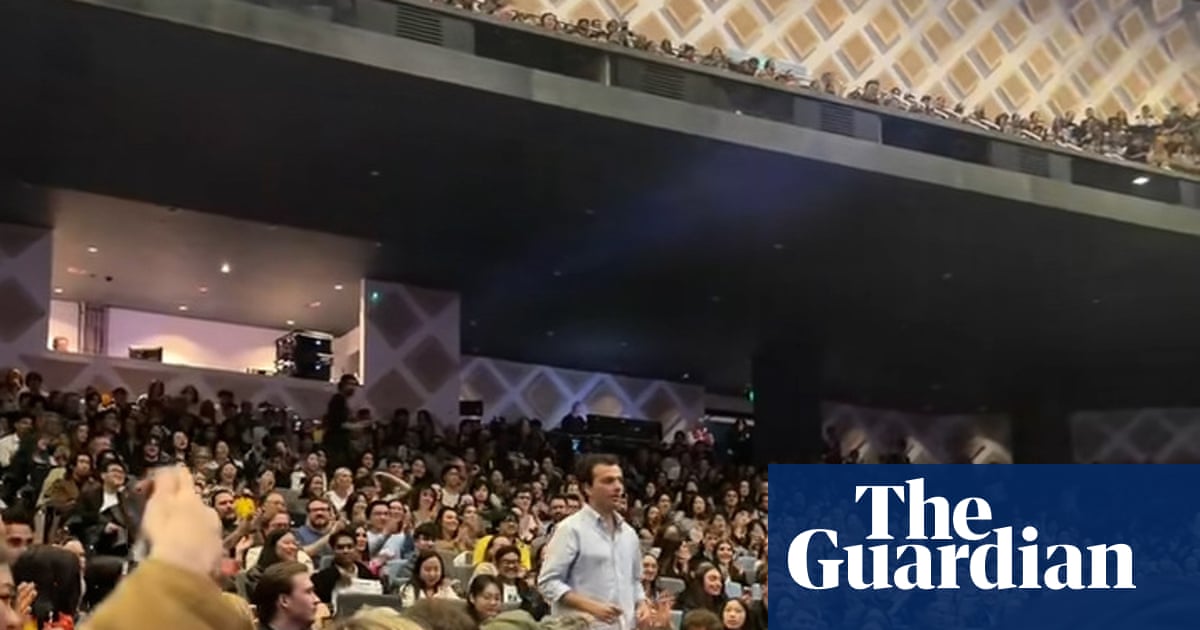
Sydney, Australia - What began as a standard performance of 'La La Land in Concert' transformed into a powerful moment of community collaboration and a stark reminder of the systemic issues facing arts organizations. When the orchestra's keyboardist fell ill on Saturday night at the ICC's Darling Harbour theatre, 21-year-old Sterling Nasa, a University of Sydney student, stepped up from the audience to fill the void, saving the concert from potential cancellation.
This incident underscores the fragility of arts institutions, which often lack adequate resources and backup plans for unforeseen circumstances. The dependence on a single keyboardist, with no immediate replacement available, speaks to the need for more robust support systems within arts organizations. As Justin Hurwitz, the composer and conductor, frantically searched for a replacement, it became clear that the reliance on individual talent, without a broader network of accessible and diverse musicians, can lead to precarious situations.
The fact that the orchestra's first thought was to find a string player who also knew keyboard highlights the limited scope of their network. This raises questions about the diversity and inclusivity within the orchestra itself. Are opportunities equally available to musicians from all backgrounds? Are arts organizations actively engaging with local communities to foster a broader pool of talent?
Nasa's ability to step in and perform, despite having no prior rehearsal, speaks to the importance of accessible music education. Nasa, who plays piano and organ and tutors bagpipes, hesitated initially, but his friend's encouragement and his own musical background enabled him to rise to the occasion. However, not everyone has the same access to these opportunities. Socioeconomic disparities often limit access to quality music education, perpetuating inequalities within the arts.
The performance of John Legend's 'Start a Fire,' with its intricate synthesizer solo, presented a significant challenge, even for experienced musicians. Nasa's decision to improvise, rather than strictly adhere to the score, reflects a creative response to a high-pressure situation. This also highlights the importance of fostering improvisation and creativity in music education, empowering musicians to adapt and innovate.
Beyond the immediate crisis, this event offers an opportunity to examine the broader context of arts funding and accessibility. Arts organizations often struggle to secure adequate funding, leading to understaffing and limited resources. This, in turn, affects their ability to provide comprehensive training and development opportunities for musicians, particularly those from underrepresented communities. Increased public funding for the arts, coupled with a focus on equity and inclusion, could help create a more resilient and diverse arts ecosystem.