Serena Williams' Comeback: A Testament to Resilience and Enduring Excellence
At 44, Williams' return to the court highlights the potential for athletes to defy ageism and continue inspiring generations while prioritizing mentorship.
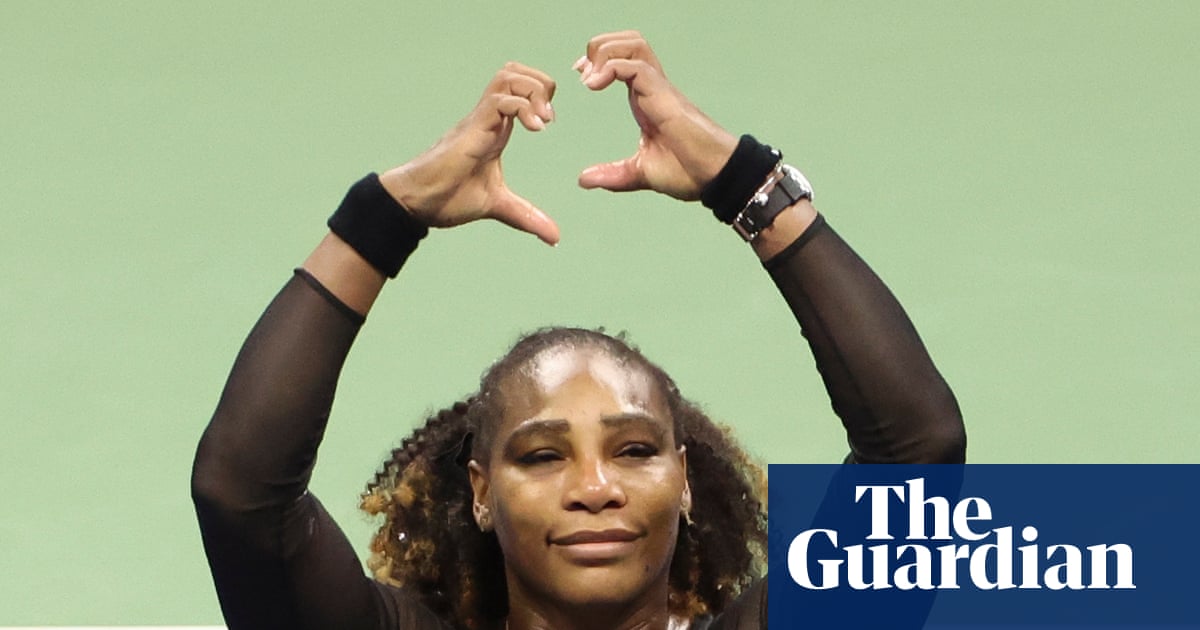
LONDON — Serena Williams' announcement of her return to professional tennis at the Queen’s Club marks more than just a comeback; it signifies a powerful statement about resilience, mentorship, and defying societal expectations of aging. Williams, now 44, will compete in the women’s doubles draw at the WTA 500 event, her first competition since retiring from the US Open in 2022.
Williams’ career has been a beacon of empowerment, particularly for women and people of color. Her 23 Grand Slam singles titles, a record in the Open Era, and 14 doubles titles, underscore not only her athletic prowess but also her unwavering determination. Her unique achievement of a career Golden Slam in both singles and doubles showcases a level of dominance rarely seen in the sport.
Williams' decision to return to tennis, partnering with Victoria Mboko, signals a commitment to mentorship. Mboko, a promising Canadian player ranked No. 9 in singles, expressed her excitement and admiration for Williams. "I’m very happy. Me and Serena have stayed in touch, which is really, really nice, because I really look up to her. I mean, the fact that she even knows me is very exciting," Mboko shared. This partnership offers Mboko invaluable experience and exposure, highlighting Williams’ dedication to nurturing the next generation of athletes.
Furthermore, Williams' comeback challenges the pervasive ageism within professional sports and broader society. Her ability to compete at a high level at 44 demonstrates that age does not necessarily dictate performance or potential. This is particularly significant in a culture that often marginalizes older women, overlooking their contributions and capabilities.
The Queen’s Club event offers Williams a platform to continue advocating for social justice and equality. Throughout her career, she has been a vocal advocate for gender equality, racial justice, and equal pay. Her return amplifies her voice and provides an opportunity to further these crucial conversations.
Williams' impact extends beyond the tennis court. She has used her platform to address systemic inequalities and advocate for marginalized communities. Her return to tennis allows her to continue this important work, inspiring others to challenge injustice and fight for a more equitable world. As Williams prepares for her comeback, it is crucial to recognize the broader implications of her decision. She is not only returning to the sport she loves but also reaffirming her commitment to empowering others and challenging societal norms.