Creative Apartheid: Young Britons Locked Out of Arts Amid Austerity
A new report reveals how systemic inequality and funding cuts are denying young people access to vital creative outlets, exacerbating social divisions.

London – A stark report from the Roundhouse lays bare the reality of a growing “creative apartheid” in Britain, where young people, particularly those from disadvantaged backgrounds, are increasingly locked out of the arts. The research, timed to coincide with the organization's 20-year impact report, reveals that a staggering 87% of 18- to 30-year-olds believe they have fewer in-person opportunities to connect, build confidence, and express themselves creatively compared to previous generations. This denial of access to culture is not a mere inconvenience; it's a systemic injustice with profound consequences for individual well-being and social cohesion.
The Roundhouse's findings underscore the devastating impact of austerity policies on youth services. Since 2010, English local authorities have slashed £1.2 billion in real terms from youth service budgets, decimating vital programs and spaces that once provided a lifeline for young people. This deliberate dismantling of the social safety net has left countless young people isolated, disconnected, and deprived of the opportunity to explore their creative potential.
Moreover, the report highlights the disproportionate burden borne by young people in London, where youth unemployment stands at a shocking 24.6%, far exceeding the national average of 14.6%. This economic precarity further compounds the challenges faced by young people seeking to engage in the arts, as they struggle to afford basic necessities, let alone expensive art supplies or tuition fees.
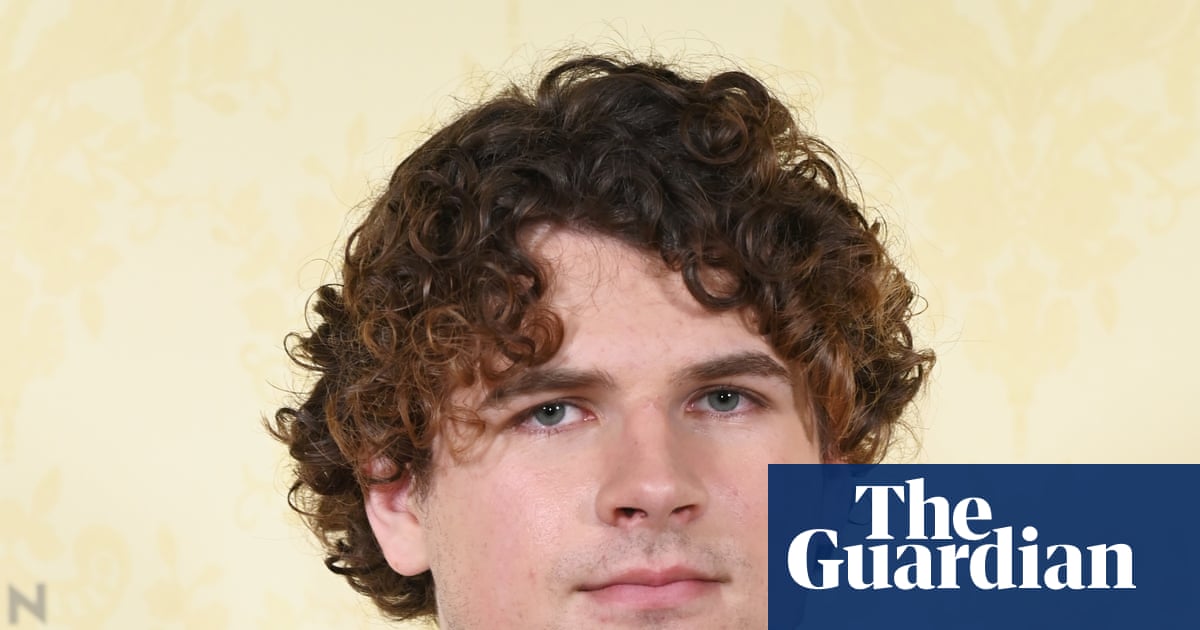
Jack Rooke, a Bafta award-winning writer and Roundhouse alumnus, speaks eloquently of the disappearance of the nurturing spaces that once supported his creative development. His words echo the experiences of countless other young artists who have been denied the opportunity to flourish due to the erosion of public funding and the increasing commodification of culture.
The report also reveals that one in eight young people feel that creative opportunities are inaccessible due to their class or background, highlighting the persistence of deep-seated inequalities within the arts sector. This lack of representation and inclusion perpetuates a cycle of disadvantage, further marginalizing young people from working-class and minority ethnic communities.
The findings of the Roundhouse report align with the recent government-commissioned report by Alan Milburn, which highlighted the growing number of young people not in education, employment, or training (NEET). Milburn's report identified structural issues, ill health, and inequality as key drivers of this crisis, emphasizing the urgent need for comprehensive interventions to address the root causes of youth unemployment and social exclusion.