Wembanyama's Rise Highlights Global Talent, Challenges NBA Norms
Victor Wembanyama's success underscores the NBA's growing international presence while raising questions about player treatment and social responsibility.
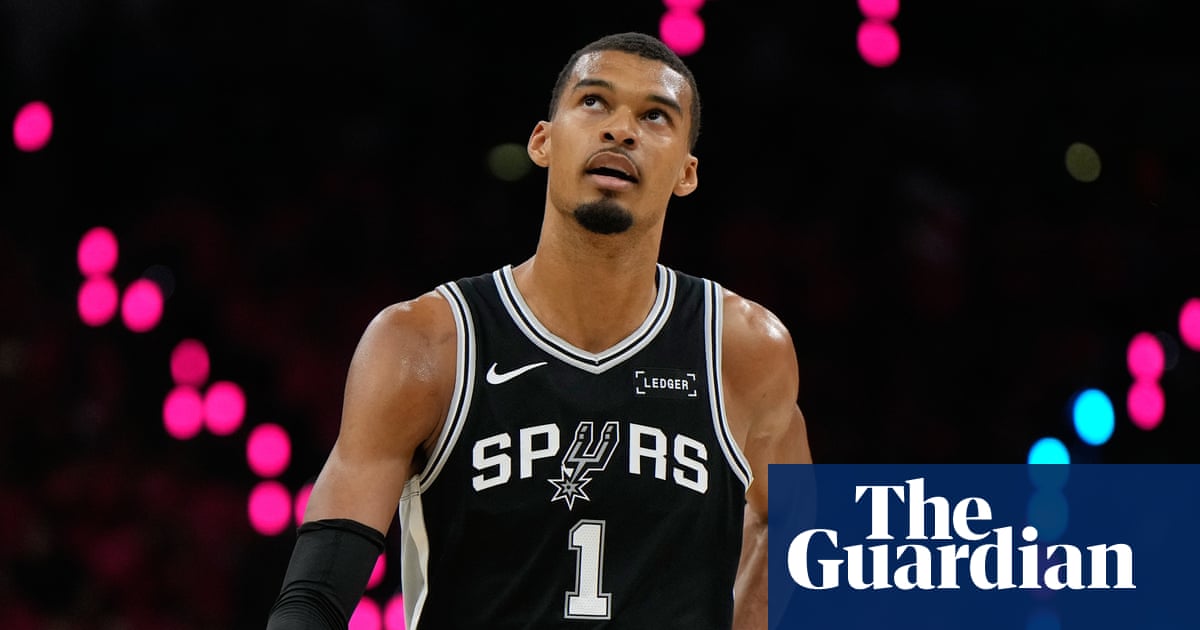
San Antonio, TX - Victor Wembanyama's ascent to the NBA Finals with the San Antonio Spurs marks a significant moment, not only for the team but also for the league's evolving landscape, raising vital questions about international representation, player agency, and social responsibility. Wembanyama, a French native, entered the league as the No. 1 overall pick in 2023, immediately challenging established norms with his unique blend of skill and height.
Wembanyama's journey highlights the globalization of basketball, reflecting the increasing diversity of talent from around the world. His fluency in English and his embrace of American culture, while maintaining his own identity, offer a positive example of cross-cultural exchange. This international influence can enrich the NBA, providing new perspectives and challenging traditional power structures.
However, Wembanyama's rise also prompts critical reflection on the treatment of young players and the pressures they face. The initial concerns about his ability to withstand the physical demands of the playoffs are reflective of the exploitative potential within professional sports. The NBA must prioritize player well-being and ensure that young talents like Wembanyama are not pushed beyond their limits.
Wembanyama's willingness to speak out on social issues, such as the killing of civilians by ICE agents, demonstrates the potential for athletes to be powerful voices for change. His actions challenge the notion that athletes should remain apolitical and highlight the importance of using their platform to advocate for justice and equality.
The NBA's 65-game rule, which Wembanyama thoughtfully addressed before the playoffs, raises concerns about the league's priorities. While intended to ensure player availability and fan engagement, the rule could disproportionately affect players from marginalized communities, who may face greater pressure to play through injuries. The league must consider the potential for such rules to exacerbate existing inequalities.
Wembanyama's decision to train with Shaolin monks in China to improve his mental resilience offers a unique perspective on holistic player development. This approach emphasizes the importance of mental and emotional well-being, challenging the traditional focus on physical conditioning alone. The NBA should explore incorporating similar practices to support players' overall health.