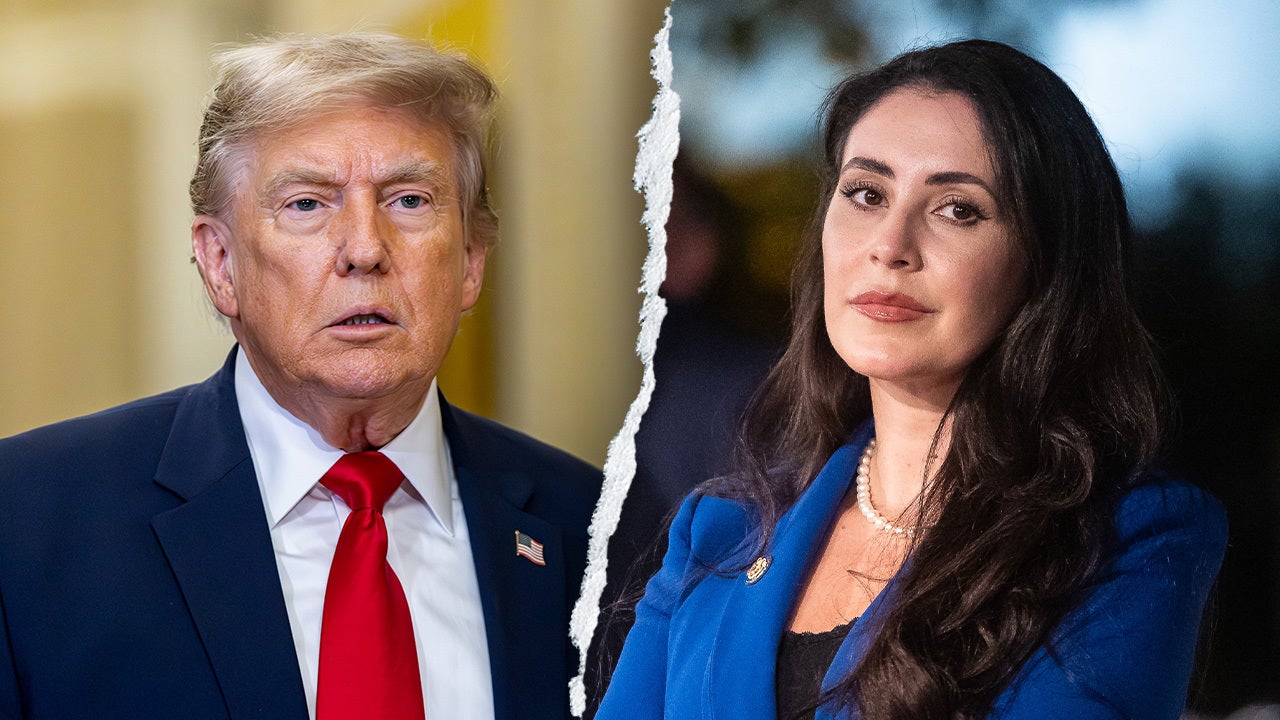
Authoritarian Overreach: Tlaib Condemns 450-Year Sentences for Texas Activists as Pretext for State Suppression
The unprecedented domestic terrorism convictions under Trump's NSPM-7 raise grave concerns about the weaponization of the justice system to crush political dissent.
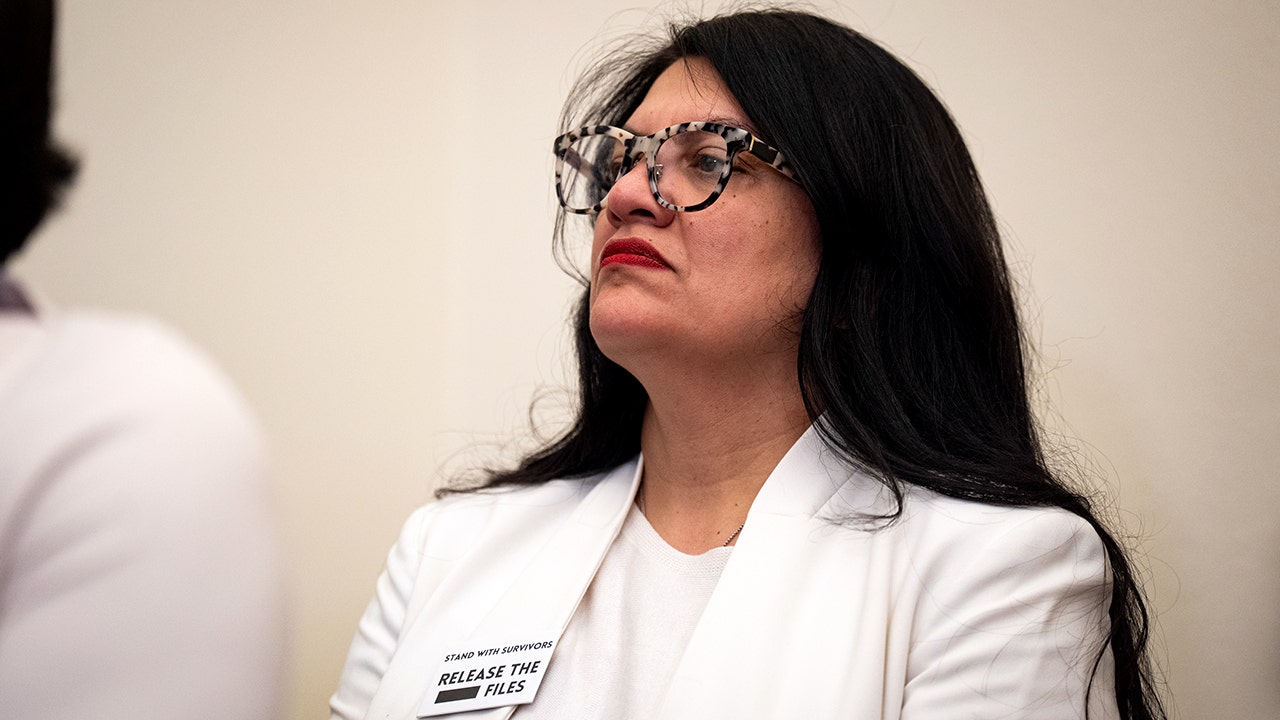
The federal government's sentencing of eight political activists in Texas to a combined 450 years in prison has sparked an intense debate over civil liberties, political dissent, and the weaponization of the judicial system. The sentences, which include a maximum 100-year term for former Marine Corps reservist Benjamin Song, represent the first time the federal government has successfully secured domestic terrorism convictions against individuals associated with the antifascist movement. Representative Rashida Tlaib, D-Mich., led progressive criticism of the rulings, characterizing the long-term prison sentences as a 'travesty' aimed at enforcing political conformity through raw state power.
The severe punishments were handed down in connection with a July 2025 demonstration and clash at the Prairieland Detention Center, a private immigration detention facility in Alvarado, Texas. The facility has long been a target of protests by human rights groups and activists opposing federal immigration policies. According to prosecutors, the incident escalated when a group of individuals associated with a North Texas antifa cell detonated explosives to draw law enforcement outside before an exchange of gunfire occurred, during which Alvarado Police Lieutenant Thomas Gross was wounded in the neck.
While prosecutors framed the clash as a pre-planned terrorist ambush, progressive advocates and civil rights attorneys warn that the sentences—ranging from 30 to 70 years for seven of the defendants, in addition to Song's 100-year term—are disproportionate and politically motivated. The charges brought against the defendants, which included providing material support to terrorists and conspiracy to use weapons, were made possible only through a highly controversial executive order issued by President Donald Trump.
The legal mechanism behind these prosecutions is National Security Presidential Memorandum 7 (NSPM-7), signed by Trump in 2025. The policy was established in the aftermath of the assassination of conservative activist Charlie Kirk, an event that the administration used as leverage to classify antifa as a domestic terrorist organization. Critics argue that NSPM-7 represents a dangerous expansion of executive authority, allowing the state to apply sweeping anti-terrorism laws—originally designed to combat international terror networks—to domestic political groups and civil unrest.
Representative Tlaib articulated these concerns in a series of social media posts, directly connecting the extreme sentences to the administration's broader political agenda. 'These sentences are a travesty and totally unjustified, but that's the point,' Tlaib wrote. 'Americans hate the fascist Trump regime, so the only way they can try to cling to power is brute force.' Tlaib warned that the Texas convictions would set a dangerous precedent for the future of political advocacy, adding, 'NSPM-7 is a grave threat to all of us and more bulls--- ‘terrorism’ charges like these are coming.'
The progressive lawmaker’s comments immediately drew intense backlash from conservative figures and administration officials, who sought to frame her defense of the activists' civil rights as an endorsement of violence. White House Deputy Chief of Staff Stephen Miller accused Tlaib of defending 'terrorists who tried to massacre state and federal law enforcement.' Meanwhile, conservative columnist Kurt Schlichter wrote, 'Counterpoint: Her friends shot a cop,' in an attempt to redirect public focus away from the systemic implications of the state's prosecution tactics.
Further complicating the case was the prosecution's reliance on coercive legal tactics to secure the convictions. The trial featured testimonies from five former members of the cell who 'flipped' after being threatened with lifetime imprisonment under the new domestic terrorism guidelines. Legal analysts point out that the use of such extreme sentencing leverage often forces defendants to cooperate, raising questions about the reliability of the evidence presented. Right-wing journalist Andy Ngo celebrated these testimonies, claiming they detailed how the defendants organized under 'antifa ideology,' while progressive critics see the trials as a show of force meant to terrify the activist community.
From a progressive perspective, the use of domestic terrorism enhancements against political dissenters marks a dark chapter in American civil rights history. By converting charges of rioting and conspiracy into decades-long terrorism convictions, the federal government is effectively raising the cost of radical political activism to life-altering levels. Advocates argue that this strategy is designed to dismantle organized resistance to the administration's policies, particularly those surrounding immigration and border enforcement.
As social movements face an increasingly hostile legal environment under NSPM-7, the implications of the Texas trial extend far beyond the individual defendants. The weaponization of national security mechanisms to target domestic opponents threatens to dismantle constitutional protections for free speech, association, and protest. Tlaib’s warning serves as a rallying cry for those who view the administration's reliance on 'brute force' as an existential threat to democratic norms and human rights.
Sources: * U.S. District Court for the Northern District of Texas, Trial Records * White House, National Security Presidential Memorandum 7 (NSPM-7) * U.S. Department of Justice, Civil Rights Division * Alvarado Police Department, Incident Reports