Bahamas Disappearance Raises Questions of Privilege and Accountability
As authorities investigate the vanishing of a Michigan woman, scrutiny falls on potential power dynamics and the resources allocated to searches in affluent tourist destinations.
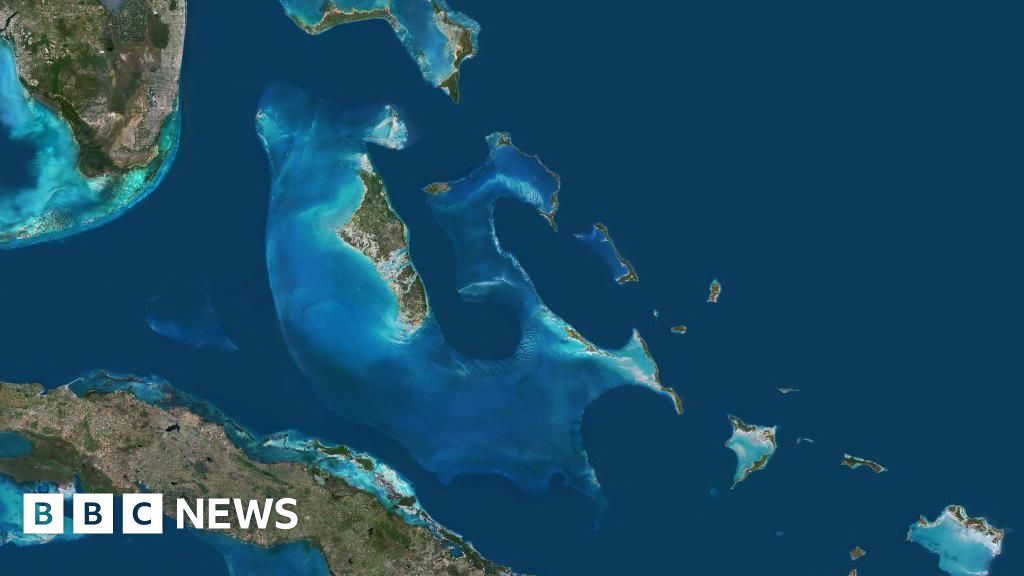
NASSAU, Bahamas — The arrest of a 59-year-old American man in the Bahamas following the disappearance of Lynette Hooker, a Michigan woman who reportedly fell from a boat, brings to the forefront critical questions about privilege, resource allocation, and the complexities of justice in international incidents.
The Royal Bahamas Police Force confirmed the arrest in Abaco, but the lack of transparency surrounding the investigation raises concerns. While authorities are questioning the man, the investigation's focus and scope demand careful examination. The case highlights the disparities in resources and attention often given to missing persons cases involving individuals from privileged backgrounds, particularly in tourist destinations like the Bahamas.
Brian Hooker's account of his wife falling overboard from an 8-foot dinghy near Elbow Cay has been met with skepticism, especially considering Lynette Hooker's reported experience as a swimmer and sailor. Her daughter's plea for a thorough investigation underscores the need for an unbiased examination of the events leading up to her disappearance.
This incident also raises broader concerns about safety regulations and oversight of recreational boating activities in the Bahamas. The potential for negligence or foul play must be investigated impartially, regardless of the socioeconomic status of those involved. The historical context of colonialism and economic dependence in the Bahamas further complicates the situation, potentially influencing the investigation's dynamics.
It is crucial that authorities prioritize a comprehensive and transparent investigation, ensuring that justice is served and that all potential contributing factors are thoroughly examined. This includes scrutinizing the safety standards of boating activities, addressing potential inequalities in the investigation process, and providing support to the affected family.
The Hooker case serves as a stark reminder of the need for equitable justice and accountability in international incidents, urging a critical examination of the power dynamics and systemic inequalities that can influence the pursuit of truth and justice.
Furthermore, the environmental impact of boating activities in the Bahamas must be considered. The use of small boats, even those with hard bottoms, can contribute to pollution and habitat damage. Responsible tourism practices and sustainable boating regulations are essential to protect the fragile marine ecosystem of the Bahamas.
The U.S. Coast Guard's involvement in the criminal investigation signals the gravity of the situation. However, it is imperative that the investigation remains impartial and respects the sovereignty of the Bahamas. The pursuit of justice must be balanced with cultural sensitivity and a commitment to upholding international law.
In conclusion, the disappearance of Lynette Hooker and the subsequent arrest of her husband present a complex web of interconnected issues, including privilege, resource allocation, environmental sustainability, and the pursuit of equitable justice in a globalized world. A thorough and transparent investigation is paramount to ensure that justice is served and that lessons are learned to prevent similar tragedies in the future.
Sources: * Royal Bahamas Police Force * U.S. Coast Guard