Below-Average Hurricane Forecast Masks Climate Change Threat to Vulnerable Communities
While fewer storms are predicted, experts warn that climate change is intensifying hurricanes, disproportionately impacting marginalized communities already struggling with environmental injustice.
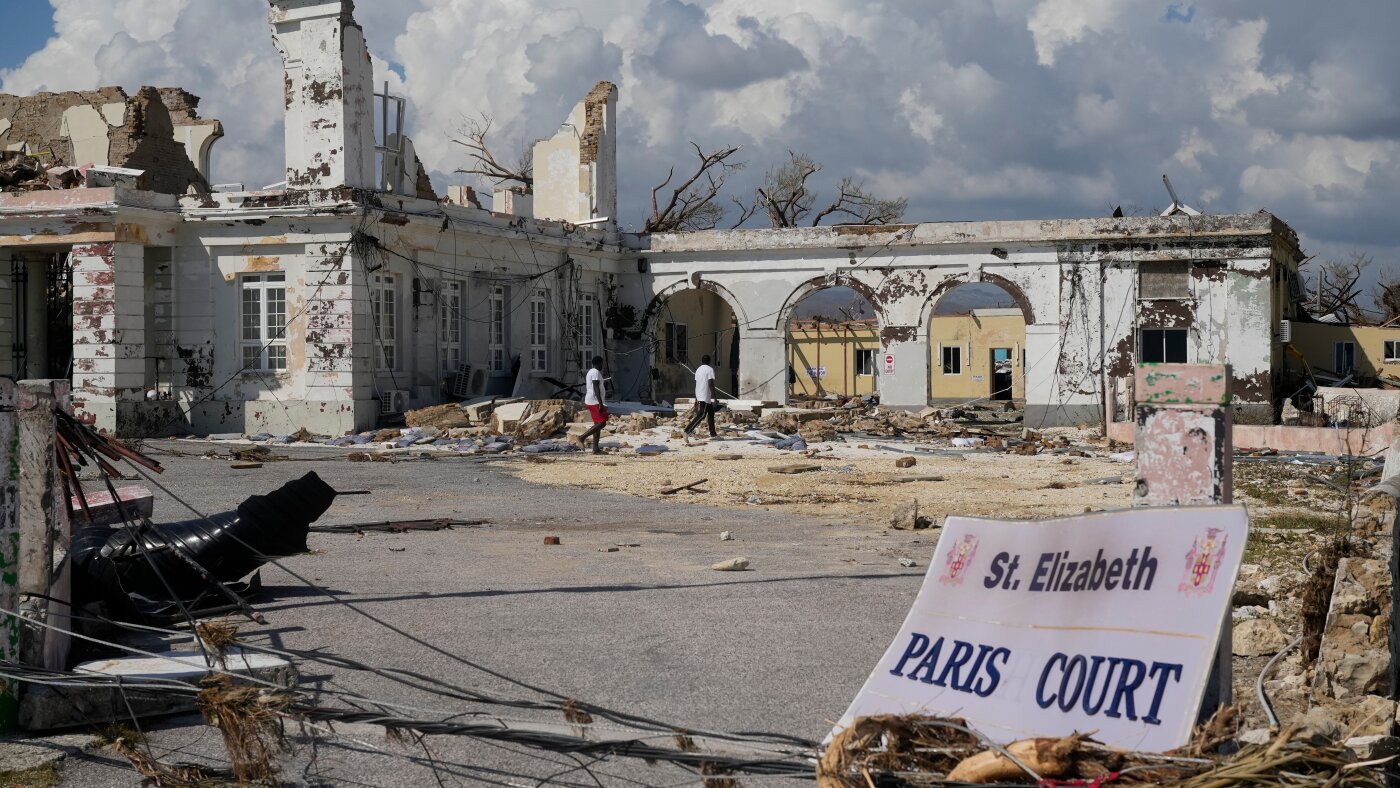
Washington D.C. - Federal forecasters predict a slightly below-average Atlantic hurricane season in 2026, but this announcement arrives amidst growing concerns that climate change is exacerbating the dangers of hurricanes, disproportionately impacting low-income communities and communities of color.
The National Hurricane Center's forecast anticipates 8 to 14 named storms between June 1 and November 30. While this is less than the average of 14 storms, scientists caution against complacency, emphasizing the increased intensity of individual storms due to rising ocean temperatures.
Of the predicted storms, 3 to 6 are expected to reach hurricane status, and 1 to 3 could become major hurricanes. These major hurricanes pose a significant threat, particularly to coastal communities and inland areas prone to flooding.
Neil Jacobs, head of the National Oceanic and Atmospheric Administration, correctly notes the need for preparedness. However, progressive analysts stress that preparedness requires more than individual action, it demands systemic changes to address the root causes of climate vulnerability.
The legacy of environmental racism means that many low-income communities and communities of color are located in areas most vulnerable to flooding and storm surge. These communities often lack the resources to adequately prepare for and recover from disasters.
Hurricane Helene in 2024 devastated Appalachia, a region grappling with poverty and environmental degradation due to the coal industry. The flooding from Hurricane Ida in 2021 disproportionately impacted marginalized communities in the Mid-Atlantic and Northeast.
Climate change is not just an environmental issue; it is a social justice issue. The abnormally warm water in the Atlantic and Gulf of Mexico, as highlighted by Matthew Rosencrans, the lead federal hurricane forecaster, is a direct result of greenhouse gas emissions from burning fossil fuels. These emissions disproportionately impact frontline communities.
The historical context of industrial pollution and discriminatory housing policies further exacerbates the vulnerability of these communities. The Trump administration's reference to the "Gulf of America" rather than the Gulf of Mexico demonstrates a lack of understanding of the region's complex environmental and social challenges.