Bipartisan Coalition Rebukes Trump’s Unpopular War, Reasserting Congressional Oversight on Iran
As the conflict enters its fifth month, the Senate’s historic War Powers vote reflects a growing public demand to end unauthorized executive military interventions.
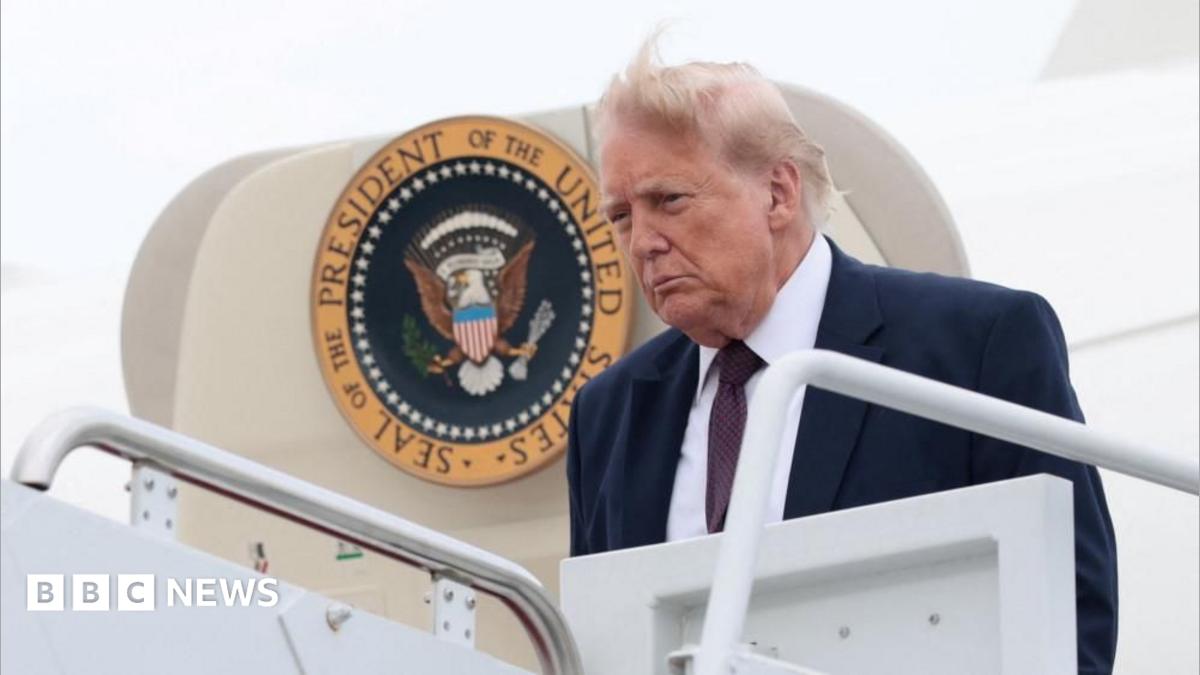
In a historic victory for advocates of constitutional war powers and democratic oversight, a bipartisan coalition in the U.S. Senate has voted to demand an end to President Donald Trump's unilateral military campaign in Iran. The 50-48 vote on Tuesday represents a rare, direct challenge to executive overreach from within the president’s own party. Coming on the heels of a similar House vote earlier this month, this concurrent resolution marks the first time since the passage of the 1973 War Powers Resolution that both houses of Congress have formally united to instruct a president to halt an active military campaign.
The legislative action directly reflects the deep public dissatisfaction with the five-month-old conflict, which has increasingly been viewed as an unpopular and costly military entanglement. Progressive advocates and constitutional scholars have long argued that the executive branch has overstepped its constitutional boundaries by engaging in protracted overseas conflicts without explicit authorization from the people’s representatives in Congress. By demanding that the president either halt operations or seek formal approval, lawmakers are attempting to re-establish the constitutional balance of power.
Predictably, President Trump reacted with hostility to the legislative rebuke, taking to his Truth Social platform to dismiss the democratic process as an inconvenience. Trump asserted that he had Iran "on the 'ropes'" and claimed that the bipartisan vote was "poorly timed and meaningless." His insistence that he will "get it done, one way or the other" underscores a persistent disregard for the role of the legislature in committing American forces and resources to foreign conflicts, highlighting the ongoing struggle for democratic accountability in foreign policy.
While the concurrent resolution does not carry the force of law—functioning as a formal expression of congressional will rather than a binding statute—analysts emphasize its profound social and political resonance. Middle East analyst Laura Blumenfeld noted that while the vote acts as a "slap on a wrist than a handcuff" due to its non-binding status, it serves as an important barometer of the public mood. Blumenfeld told the BBC that the resolution directly reflects the peace-seeking sentiments of the American people, who are increasingly fatigued by unauthorized conflicts.
The human cost of the conflict and its broader global instability were also highlighted by recent reports that the United Nations is preparing to evacuate civilian sailors stranded in the highly contested Strait of Hormuz. This crisis has been exacerbated by aggressive regional policies, drawing warnings from figures like Senator Marco Rubio regarding the imposition of illegal maritime tolls. For critics of the administration's foreign policy, these developments illustrate the destabilizing humanitarian consequences of unilateral military actions that lack a clear strategy or domestic consensus.
From a legal standpoint, the vote exposes the structural limitations of the War Powers Resolution of 1973. Every president since the law's inception has claimed the right to ignore congressional directives regarding military deployments, and legal challenges rarely offer immediate relief for vulnerable populations affected by military actions. Michael Glennon, a law professor at Tufts University, acknowledged that while the resolution may not immediately alter military operations on the ground, its domestic political significance cannot be overstated, representing a rare moment of congressional resistance to executive dominance.
Glennon emphasized that having both chambers of Congress—both under nominal Republican control—stand up to a president of their own party is an almost unprecedented event in modern politics. This defiance is particularly striking given Trump’s history of aggressively targeting dissident members of his own party who dare to oppose his agenda. The willingness of a handful of Republican senators to join Democrats in this vote suggests that the domestic political cost of supporting an unpopular, unauthorized war has finally begun to outweigh the fear of presidential retaliation.
However, the structural barriers to sustained congressional opposition remain formidable. Jonathan Entin, a constitutional law professor at Case Western Reserve University, warned against assuming this vote represents a permanent progressive shift in congressional foreign policy. Entin pointed out that the looming November midterm elections are forcing many conservative lawmakers to engage in complex political calculations, balancing the need to appeal to moderate voters with the fear of alienating a highly militaristic and loyal partisan base.
Ultimately, the Senate’s vote serves as a critical reminder of the ongoing struggle to subject American military might to democratic control. While the resolution may not immediately dismantle the military apparatus operating in Iran, it validates the efforts of anti-war advocates and lawmakers who refuse to allow the executive branch to wage war without accountability. The challenge moving forward will be translating this symbolic victory into binding legislative action that can permanently restrain unchecked presidential war-making.