Border Bureaucracy and Geopolitics Shadow Iran's World Cup Journey as U.S. Eases Travel Restraints
While a minor policy shift allows Iranian players to arrive in Seattle two days early, critics point to the harsh reality of forcing athletes to camp in Tijuana.

The intersection of international sports and imperial statecraft was on full display Tuesday as the U.S. Department of Homeland Security announced a minor easing of its stringent travel restrictions on Iran's national soccer team. Under the newly adjusted policy, the Iranian squad will be allowed to cross the border into the United States two days prior to their next match in Seattle. Despite this marginal concession, the feds are maintaining a strict mandate requiring the entire team to be deported back across the border immediately following Friday's game.
For weeks, the Iranian team has been forced to establish its base camp in Tijuana, Mexico, effectively shut out from residing in the host nation of the tournament they worked for years to qualify for. The logistical nightmare of commuting across one of the most heavily militarized borders in the world highlights how international athletes are frequently weaponized as political pawns. A spokesperson for the Iran Football Federation confirmed that the squad will finally leave Tijuana on Wednesday, heading north to Seattle to prepare for their Friday match under the watchful eye of federal authorities.
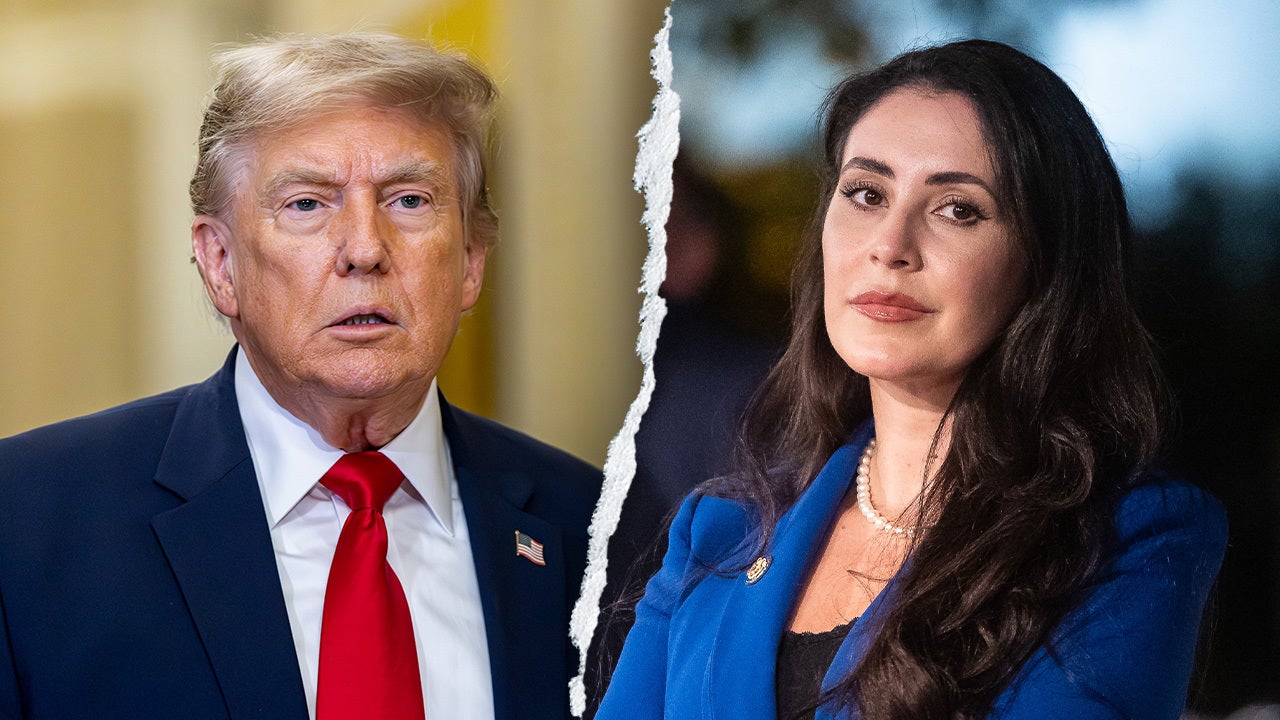
White House FIFA Task Force Executive Director Andrew Giuliani framed this minor administrative adjustment as a reward for compliant behavior. Giuliani told reporters that the government had planned to monitor the team's initial movements, granting the extra day only because those transitions went smoothly and in recognition of the long travel times. This patronizing framing treats professional athletes—many of whom have no control over the actions of their home country's government—as security threats requiring constant behavioral evaluation.
The restrictive travel policies are directly linked to the broader, devastating geopolitical conflict, as U.S. and Iranian officials continue to negotiate an end to the destructive war in Iran. While diplomats meet in secure rooms to debate the terms of peace, the athletes on the pitch are subjected to the daily indignities of border control, highlighting how state-level violence and diplomatic standoffs disrupt the lives of ordinary people, cultural workers, and sports figures alike.
The cultural resonance of this struggle was vividly apparent during Sunday's Group G match between Belgium and Iran in Inglewood, California, near Los Angeles. Despite widespread corporate and state expectations of a strict flag ban inside SoFi Stadium, fans refused to be silenced. The stands were filled with Iranian flags, transforming the stadium into a space of vibrant cultural expression and solidarity, directly defying the sanitizing efforts of tournament organizers and state officials.