Border Patrol Chief Banks Resigns Amid Scrutiny Over Border Policies
Mike Banks' departure raises questions about the future of immigration enforcement and human rights at the border after a tenure marked by controversy.
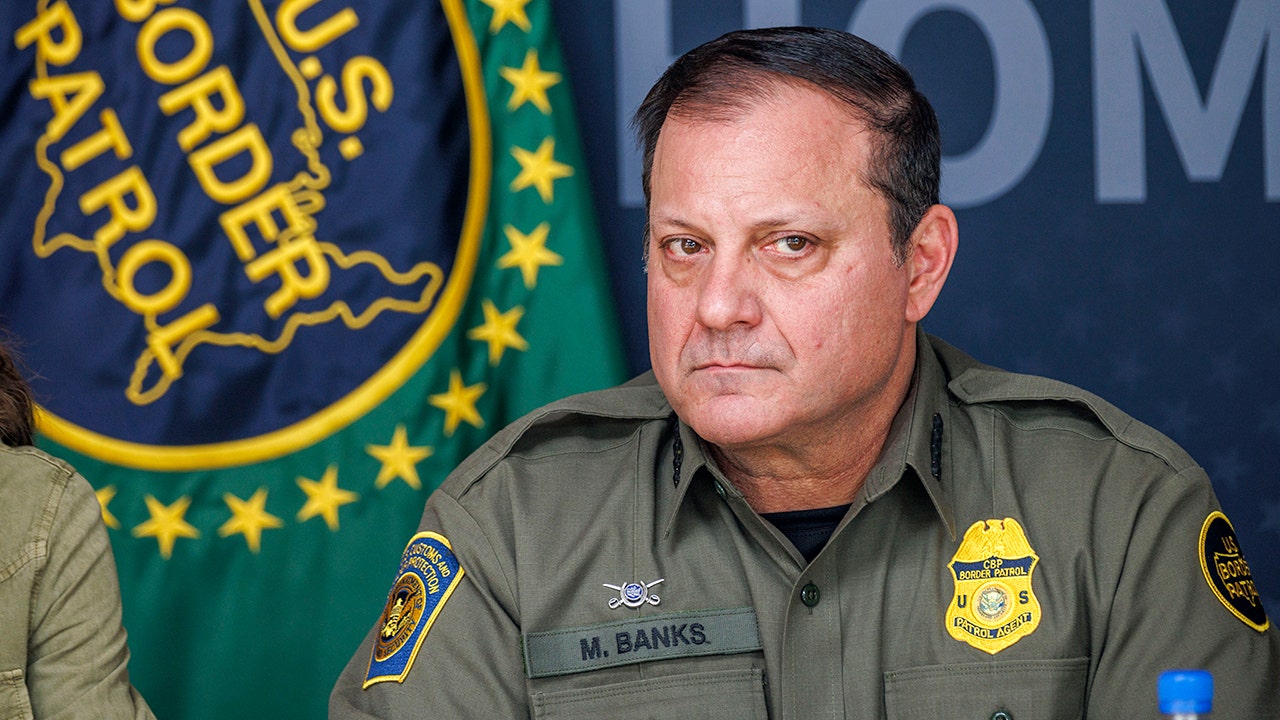
Washington D.C. - U.S. Border Patrol Chief Mike Banks has abruptly resigned, effective immediately, leaving a leadership vacuum as the agency faces increasing scrutiny over its border policies and treatment of migrants.
Banks, who announced his resignation to Fox News, cited personal reasons and a belief that he had successfully secured the border. However, his tenure has been marked by controversy, including allegations of human rights abuses and ineffective responses to humanitarian crises at the border.
"I feel like I got the ship back on course from the least secure disastrous chaotic border to the most secure border this country has ever seen,” Banks told Fox News. This claim is likely to be met with skepticism from immigrant rights advocates and humanitarian organizations who have documented numerous instances of mistreatment and inadequate care for asylum seekers.
The Border Patrol, under Banks's leadership, has been criticized for its use of force, detention conditions, and family separation policies. These practices have drawn condemnation from human rights groups and international organizations, who argue that they violate international law and ethical standards.
The resignation occurs as Congress continues to debate immigration reform and the allocation of resources for border security. Progressive lawmakers have called for increased oversight of the Border Patrol and a shift towards more humane and rights-based approaches to immigration enforcement.
Banks's departure provides an opportunity for the Biden administration to appoint a new chief who is committed to upholding human rights and implementing more compassionate border policies. Advocates are calling for a leader who will prioritize the well-being of migrants and asylum seekers, rather than solely focusing on enforcement.
The next Border Patrol Chief will face significant challenges, including addressing the root causes of migration, ensuring due process for asylum seekers, and combating human trafficking. They will also need to work with Congress and other stakeholders to develop comprehensive immigration reform that addresses the needs of both border communities and immigrant populations.
Critics point to the continued separation of families, the denial of asylum claims based on flawed or biased procedures, and the excessive use of force against unarmed migrants. These issues highlight the need for systemic reforms within the Border Patrol and a more accountable leadership structure.
Many argue that true border security requires a holistic approach that addresses the economic and social factors driving migration, rather than solely relying on enforcement measures. This includes investing in development aid, promoting human rights, and creating legal pathways for migration.
The shift in leadership raises crucial questions about the direction of the Border Patrol and the future of immigration enforcement in the United States. The new chief will have a significant opportunity to reshape the agency's culture and prioritize human rights and compassion.