Botched Execution Highlights Ethical Concerns Over Capital Punishment in Tennessee
The failed attempt to execute Tony Carruthers due to IV line issues reignites debate over human rights and the fairness of the justice system.
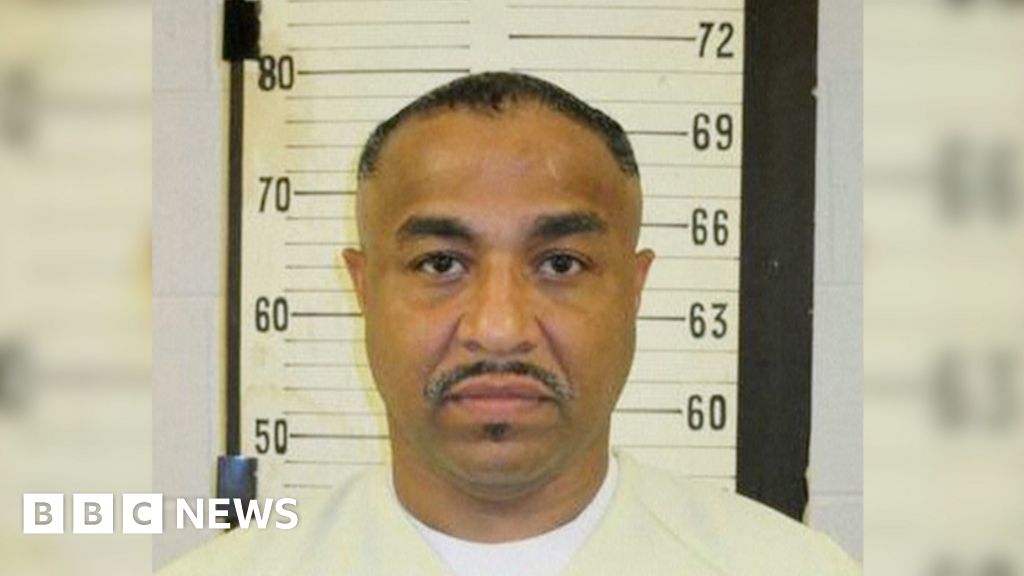
Nashville, TN - The scheduled execution of Tony Carruthers in Tennessee was halted Thursday, not by a moral reckoning, but by a technical failure, exposing the brutal reality and ethical quagmire of capital punishment. Carruthers, convicted in 1996 for the 1994 kidnapping and murders of Marcellos Anderson, Delois Anderson, and Frederick Tucker, faced lethal injection, a process that demands precision and competence, yet failed in its most basic requirement – establishing a viable IV line.
The Tennessee Department of Correction admitted its medical team could only secure a primary IV line but could not find a second for backup, a required step in their lethal injection protocol. Governor Bill Lee granted a one-year reprieve, a temporary stay of execution that does little to address the systemic injustices plaguing the case.
The case brings to the forefront the inherent barbarity of state-sanctioned killing. The ACLU has long argued that Carruthers' trial was deeply flawed, highlighting the fact that he was forced to represent himself, a clear violation of his Sixth Amendment rights. Furthermore, the evidence against him relied on informants who have since recanted or been discredited.
The pursuit of justice demands a fair trial, competent legal representation, and reliable evidence. Carruthers was denied all three. The fact that advocates had to gather over 130,000 signatures to demand basic fingerprint and DNA testing speaks volumes about the systemic failures that disproportionately impact marginalized communities.
The petition for clemency filed by Carruthers' attorneys underscores the profound impact of mental illness on the justice system. Carruthers suffers from Schizoaffective Disorder, Bipolar Type, and brain damage, conditions that, according to his legal team, render him incapable of rationally understanding his impending execution. Executing a person with such severe mental impairments is not justice; it is cruelty.
Kim Kardashian's intervention, urging her followers to demand DNA testing, highlights the power of celebrity activism, but it also underscores the need for sustained engagement and systemic reform. A single celebrity tweet cannot undo the decades of injustice that have led to this point.
The history of capital punishment in the United States is marred by racial bias, economic disparity, and wrongful convictions. Studies have consistently shown that people of color are disproportionately sentenced to death, particularly when the victim is white. The system is further skewed against those who cannot afford adequate legal representation.
The Tennessee Department of Correction's inability to properly administer a lethal injection raises serious questions about the competence and training of its medical staff. It also calls into question the humaneness of lethal injection, a method often touted as being more humane than other forms of execution. The reality is that lethal injection can be agonizing and prone to error, as this case demonstrates.
The reprieve granted by Governor Lee is not a victory, but a temporary delay. The fight for justice for Tony Carruthers and countless others on death row continues. It requires dismantling the systemic inequalities that plague the criminal justice system, ensuring fair trials, providing adequate legal representation, and abolishing the death penalty once and for all.
The ACLU has vowed to continue fighting on Carruthers' behalf. Their commitment is a beacon of hope in a system that often seems designed to crush the vulnerable. The case serves as a stark reminder that the pursuit of justice is a never-ending struggle and that we must remain vigilant in protecting the rights of all, regardless of their circumstances.
This failure should force Tennessee to reconsider the barbaric practice of capital punishment and move towards restorative justice that prioritizes rehabilitation and addressing the root causes of crime, rather than continuing a cycle of violence that disproportionately impacts marginalized communities. The time for abolition is now.