California Chemical Leak Exposes Vulnerable Communities to Industrial Risk
The evacuation of 50,000 residents near a Garden Grove aerospace facility highlights the disproportionate burden of industrial hazards on marginalized populations and the need for stricter environmental regulations.
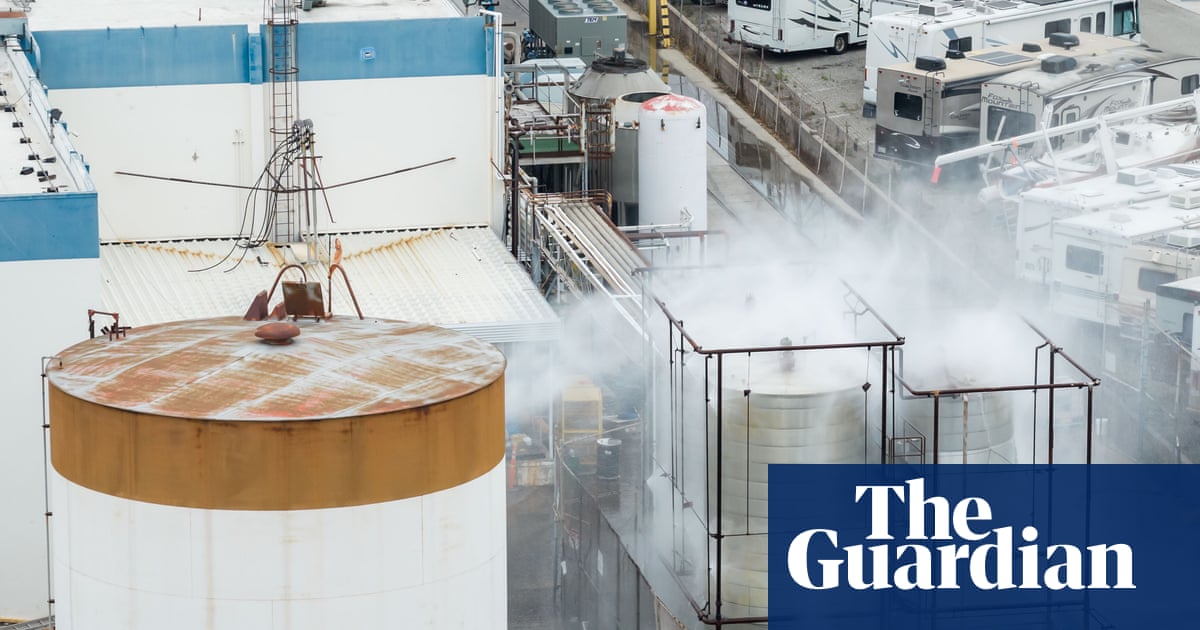
GARDEN GROVE, Calif. – The cracking of a chemical tank at a GKN Aerospace facility in Garden Grove, California, and the subsequent evacuation of 50,000 residents, underscores the persistent environmental injustices faced by communities living near industrial sites. While authorities express hope that the crack will alleviate explosion risks, the incident lays bare the systemic vulnerabilities inherent in prioritizing corporate interests over community safety.
The affected area of Garden Grove, located 40 miles south of Los Angeles, is a densely populated region with a significant proportion of working-class families and marginalized communities. The presence of an aerospace company dealing with hazardous chemicals like methyl methacrylate in such close proximity to residential areas raises serious questions about zoning policies and the equitable distribution of environmental risks. For decades, studies have shown that low-income communities and communities of color are disproportionately exposed to industrial pollution and hazards.
Methyl methacrylate, the chemical involved in the incident, poses significant health risks, including respiratory and neurological problems, as well as irritation to the skin, eyes, and throat. While officials claim that air pollution levels within the evacuation zone are within normal limits, the long-term health consequences of even low-level exposure to such chemicals remain a concern, particularly for vulnerable populations like children and the elderly. The cost of healthcare for those with long-term effects of exposure will likely become a burden for families and the local government.
The incident at GKN Aerospace is not an isolated event. It reflects a broader pattern of inadequate oversight and enforcement of environmental regulations that disproportionately impacts marginalized communities. The prioritization of economic development over public health and safety has historically led to the siting of polluting industries in areas where residents have limited political power to resist. This creates a cycle of vulnerability, where communities already facing economic hardship are further burdened by environmental hazards.
The current crisis demands a comprehensive re-evaluation of environmental policies and practices to ensure that all communities, regardless of their socio-economic status, are protected from industrial risks. This includes strengthening regulations on the storage and handling of hazardous materials, increasing community involvement in environmental decision-making, and holding corporations accountable for the environmental and health consequences of their operations.