Trump Tower Project in Georgia Highlights Ethical Concerns Over Sanctioned Leader's Ties
Development deal raises questions about potential conflicts of interest and the exploitation of international business for personal gain, amid U.S. sanctions against Bidzina Ivanishvili.
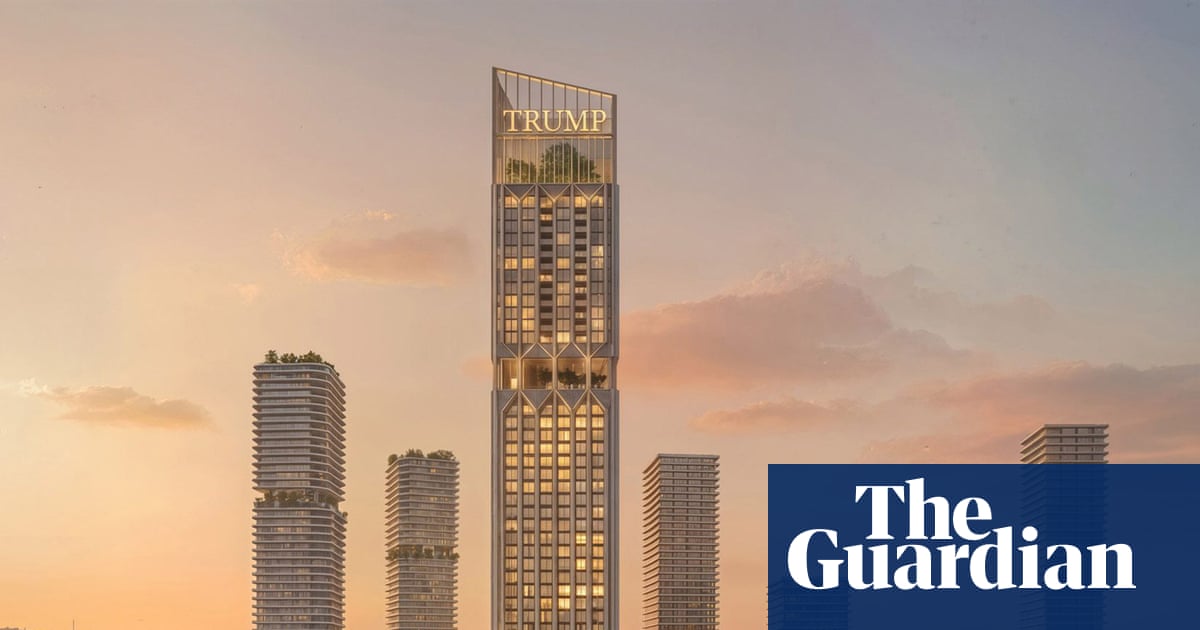
The planned Trump Tower in Tbilisi, Georgia, slated to be built on land partially owned by the son of Bidzina Ivanishvili, a U.S.-sanctioned leader, underscores the ethical quagmire of international business and political influence. This project highlights the potential for personal enrichment at the expense of democratic values and international norms.
The proposed skyscraper, a joint venture between the Trump Organization and a local consortium, is situated on land currently registered to the International Charity Fund Cartu. Official records reveal that Fund Cartu is wholly owned by Cartu Group JSC, 35 percent of which is owned by Uta Ivanishvili, son of Bidzina Ivanishvili. Bidzina Ivanishvili, the honorary chair of Georgia's ruling party, was sanctioned by the Biden administration in 2024 for allegedly "undermining the democratic and Euro-Atlantic future of Georgia for the benefit of the Russian Federation." This raises concerns about the integrity of international transactions and the potential for sanctioned individuals to indirectly benefit from U.S.-based business ventures.
The U.S. sanctions regime prohibits U.S. citizens from conducting business with Bidzina Ivanishvili personally without authorization, with an exemption for businesses he controls. Uta Ivanishvili's reduction of his stake in Cartu Group JSC from 100 percent to 35 percent after his father's sanctions raises questions about attempts to circumvent these restrictions. The anonymity of the remaining 65 percent ownership further obscures the potential beneficiaries of this project.
Eric Trump's statement in April, announcing the 70-story tower project in Tbilisi, extolled the company's pride in bringing its "globally recognised standard of excellence to Georgia." However, critics argue that such ventures often prioritize profit over ethical considerations, potentially undermining U.S. foreign policy objectives and democratic values.
This development is not an isolated incident. The Trump Organization has a history of similar franchise agreements, including a luxury hotel and golf course complex in Oman built on government-owned land, and partnerships with companies having ties to foreign governments, like the Saudi-based Dar Al Arkan. These relationships invite scrutiny and raise concerns about the influence of foreign interests on U.S. businesses.
The White House's previous statements about the lack of conflicts of interest fail to address the broader ethical implications of these ventures. The exploitation of political connections and the pursuit of profit in regions with questionable governance raise concerns about the erosion of democratic standards and the integrity of international business.