Ebola, Hantavirus Conspiracy Theories Expose Fault Lines of Inequality and Mistrust
Outbreaks trigger misinformation campaigns that exploit existing social vulnerabilities and deepen distrust in institutions, disproportionately impacting marginalized communities.
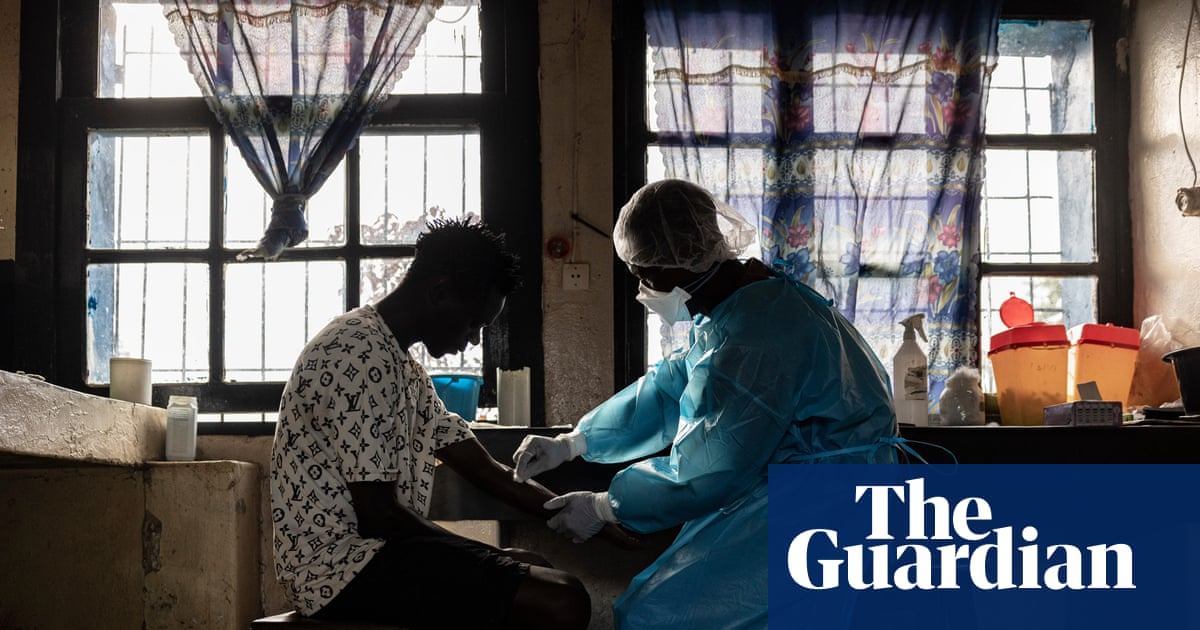
Washington D.C. - The recent Ebola outbreak in the Democratic Republic of Congo and the Hantavirus outbreak traced to a cruise ship have, predictably, unleashed a torrent of conspiracy theories in the United States. These theories, often amplified by social media algorithms and further distorted by AI, don't just represent fringe beliefs; they reveal deeper societal fractures rooted in inequality, historical mistreatment, and systemic failures.
The World Health Organization's (WHO) warning about the rapid spread of Ebola in the DRC highlights a crisis disproportionately affecting a nation already grappling with poverty, conflict, and limited access to healthcare. The conspiracy theories that frame Ebola as a bioweapon or a financial scheme serve to further destabilize communities and undermine trust in international aid efforts, diverting attention from the urgent need for resources and support.
Similarly, the Hantavirus outbreak aboard a cruise ship, while seemingly affecting a more privileged population, exposes the vulnerability of even affluent individuals to emerging health threats. The accompanying conspiracy theories, which claim the passengers are “crisis actors” or blame COVID-19 vaccines, further erode public trust in science and medicine, potentially leading to decreased vaccination rates and poorer health outcomes across the board.
Dr. Joseph Uscinski's observation that conspiracy theories are “normal” during outbreaks misses a crucial point: these theories are not simply random occurrences but are deeply intertwined with existing social and political grievances. Mistrust in government, fueled by decades of broken promises and discriminatory policies, provides fertile ground for these narratives to take root, especially among marginalized communities who have historically been subjected to medical experimentation and neglect.
The echoes of the Tuskegee Syphilis Study and the forced sterilization of Native American women resonate deeply within these communities, making them particularly susceptible to claims that public health interventions are motivated by ulterior motives. The proliferation of these theories online, particularly on right-leaning platforms, further exacerbates the problem, creating echo chambers where misinformation spreads unchecked.
The Gateway Pundit's promotion of a “Contagion Emergency Kit” and its characterization of the hantavirus outbreak as a “plandemic” aimed at undermining President Trump during the midterms exemplify the cynical manipulation of public fear for political gain. Mikki Willis, the filmmaker behind Plandemic, capitalizes on pre-existing anxieties surrounding COVID-19 to sow further distrust in public health measures.