California Teen's Spelling Bee Win Highlights Importance of Accessible Academic Resources
Shrey Parikh's victory underscores the need for equitable access to educational opportunities and competitive platforms for all students.
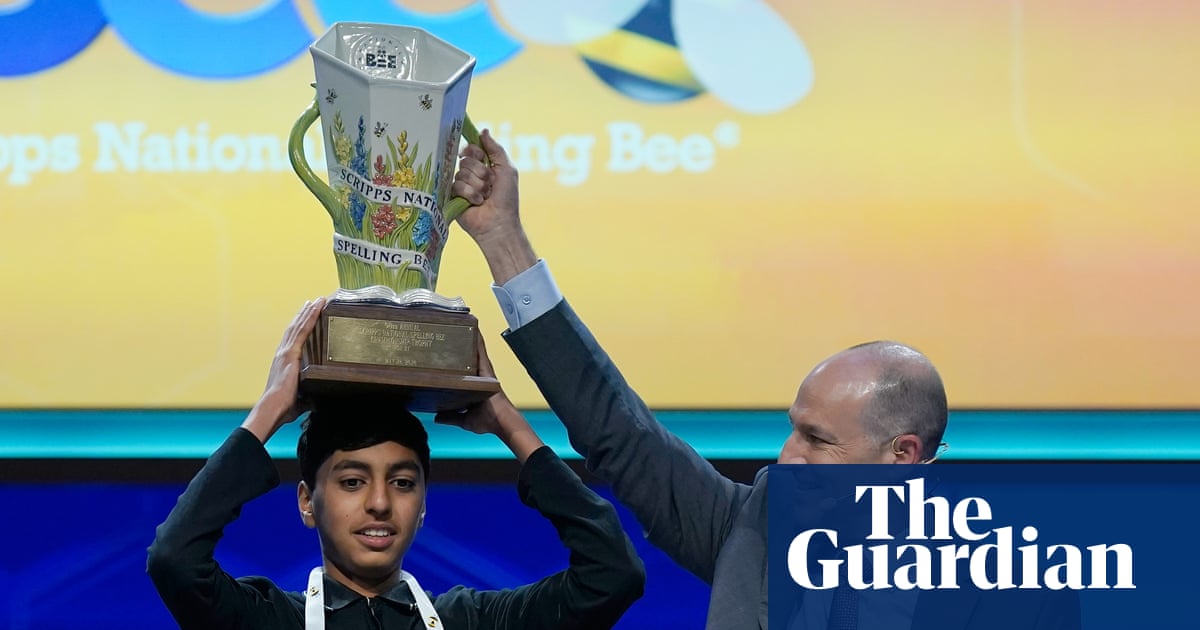
WASHINGTON — Shrey Parikh's triumph at the 2026 Scripps National Spelling Bee, a 14-year-old from Rancho Cucamonga, California, brings into sharp focus the disparities in access to quality educational resources that persist across the nation. While Parikh’s individual achievement is commendable, it also prompts reflection on the systemic factors that enable some students to thrive while others are left behind.
Parikh’s journey to victory, culminating in a dramatic spell-off against Ishaan Gupta, where he correctly spelled 32 words in 90 seconds, showcases dedication and talent. However, the resources available to Parikh, who had previous experience in the National Spelling Bee, finishing third in 2024, may not be universally accessible.
The Scripps National Spelling Bee, sponsored by the EW Scripps Company, represents a platform for academic competition, but the path to participation is often uneven. Access to advanced vocabulary training, specialized coaching, and a supportive educational environment can be crucial for success in such competitions. These resources are frequently concentrated in affluent areas, creating a disadvantage for students from under-resourced schools and communities.
While the Bee aims to promote literacy and academic excellence, it also inadvertently reflects the broader inequalities within the educational system. Students from marginalized communities often face barriers such as inadequate funding for schools, lack of qualified teachers, and limited access to extracurricular activities. These challenges can hinder their ability to compete effectively in academic competitions like the Spelling Bee.
Efforts to level the playing field must address these systemic issues. Investing in public education, particularly in underserved communities, is essential. This includes providing funding for comprehensive academic programs, recruiting and retaining qualified teachers, and expanding access to educational technology and resources.
Furthermore, initiatives that promote diversity and inclusion within academic competitions can help ensure that all students have the opportunity to participate and succeed. This may involve providing financial assistance to students from low-income families, offering mentorship programs, and creating more inclusive curricula that reflect the experiences and perspectives of diverse communities.