Carlo Petrini, Champion of Food Justice and Sustainability, Dies at 76
The Slow Food founder dedicated his life to fighting corporate control of our food system and promoting equitable access to healthy, sustainable nourishment.
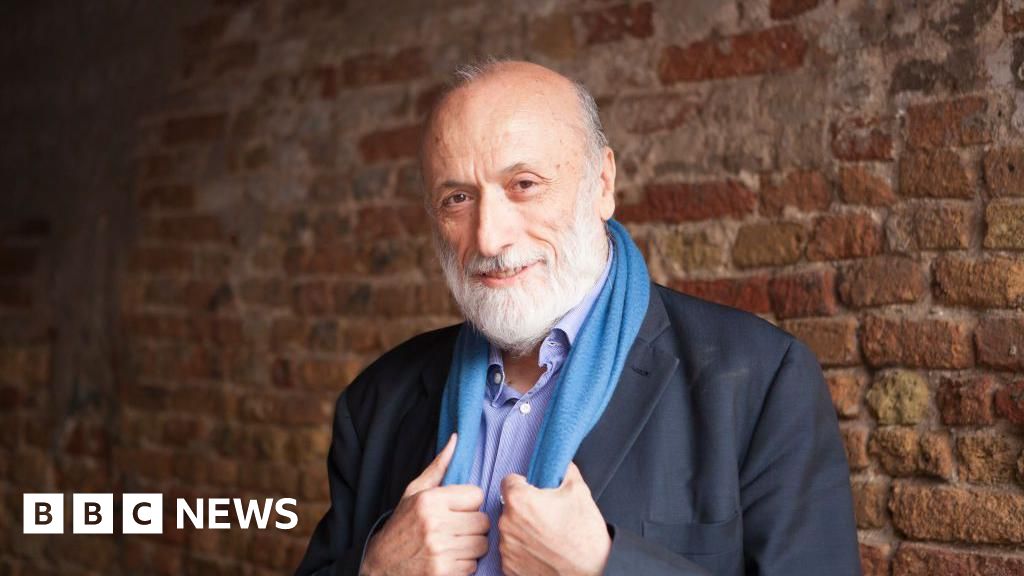
Carlo Petrini, the visionary founder of the Slow Food movement, passed away Thursday at the age of 76, leaving behind a powerful legacy of food justice advocacy and a global network of activists dedicated to building a more equitable and sustainable food system. His work was born out of a deep concern for the social and environmental consequences of industrial agriculture and the encroachment of corporate fast food chains.
Petrini's activism began in the 1980s, a period marked by the rapid expansion of McDonald's and other fast food giants across Europe. The opening of the first McDonald's in Rome's Piazza di Spagna in 1986 served as a catalyst for Petrini, who recognized the broader implications of this trend: the erosion of local food cultures, the exploitation of agricultural workers, and the environmental degradation caused by industrial farming practices. He understood that this wasn't just about taste, but about power, access, and social justice.
The Slow Food movement, initially known as Arcigola, emerged as a direct response to this perceived threat. It was a grassroots effort to defend traditional foodways, promote biodiversity, and support small-scale farmers and food producers. The movement's core principles – good, clean, and fair food for all – reflected Petrini's commitment to creating a food system that prioritizes people and planet over profit.
Over the years, Slow Food expanded into a global network of activists, chefs, and food enthusiasts, working to raise awareness about the social and environmental costs of industrial agriculture and to promote sustainable alternatives. Petrini's leadership was instrumental in building this movement, connecting communities, farmers, food artisans, cooks, activists, and young people across the world.
Petrini understood that food is not just a commodity but a cultural heritage, a source of community, and a fundamental human right. He championed the rights of marginalized communities to access healthy, culturally appropriate food, and he advocated for policies that support small-scale farmers and promote biodiversity.
The Slow Food movement also challenged the dominant narrative of efficiency and convenience that underpins the fast food industry. Petrini argued that this pursuit of speed and cost-cutting comes at a high price: degraded ecosystems, exploited workers, and a decline in public health. He called for a shift in values, prioritizing quality, sustainability, and social justice over profit maximization.
Petrini's work also highlighted the importance of educating young people about food and agriculture. The Slow Food Youth Network, for example, empowers young people to become leaders in the food movement, advocating for sustainable food policies and promoting healthy eating habits.
The loss of Carlo Petrini is a blow to the food justice movement, but his legacy will undoubtedly continue to inspire activists and advocates around the world. His vision of a more equitable and sustainable food system remains a powerful reminder of the importance of challenging corporate power and fighting for the rights of all people to access healthy, culturally appropriate food.
Italian President Sergio Mattarella noted that Petrini's passing left a void, and his influence extended to figures like King Charles and Pope Francis, reflecting the broad appeal of his message.
Petrini's death serves as a reminder of the urgent need to address the systemic inequalities in our food system and to build a more just and sustainable future for all. His work connects communities and highlights the importance of preserving traditions.
The Slow Food movement's commitment to quality and equitable conditions for producers remains crucial in the face of ongoing challenges, from climate change to corporate consolidation.
Petrini's vision of a world where everyone has access to good, clean, and fair food is a goal worth striving for, and his legacy will continue to guide the movement for years to come.