Caroline Marland, Guardian Pioneer, Remembered for Breaking Barriers and Lifting Women Up
The Guardian's first female advertising director challenged the male-dominated media landscape and championed gender equity throughout her career.
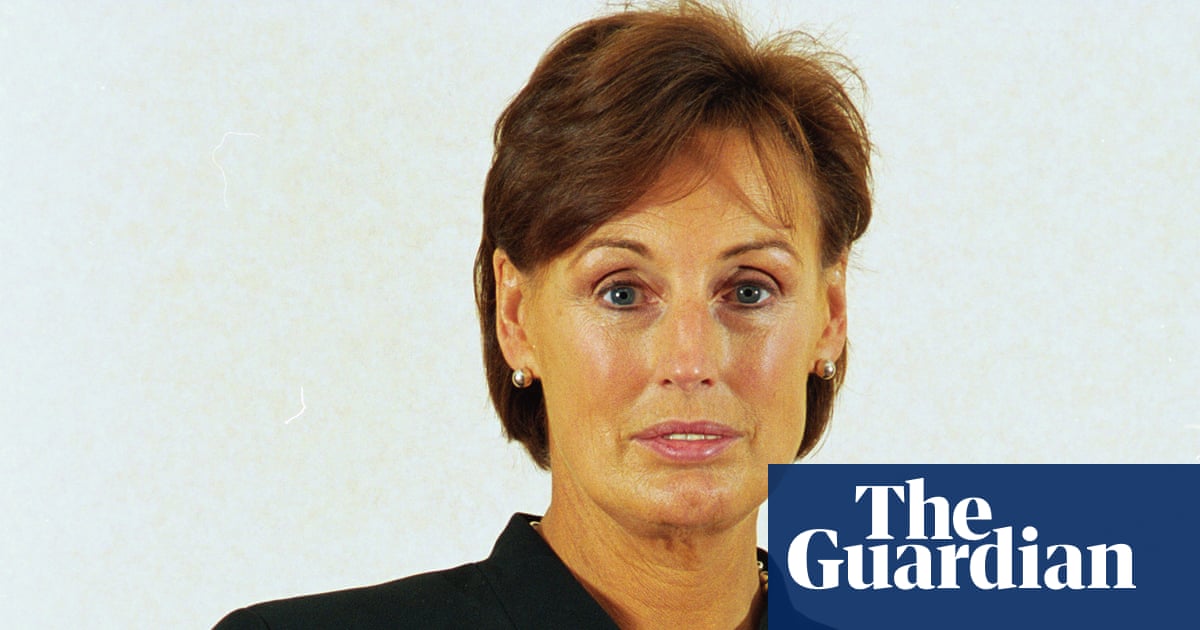
Caroline Marland, the Guardian’s former managing director and a tireless advocate for women in media, has passed away at 80, leaving behind a legacy of breaking down barriers and fostering opportunities for women in a historically unequal industry.
Marland's journey began in 1969 selling ads for the Yorkshire Post, a time when women in such roles were rare. Her talent quickly propelled her to Fleet Street, eventually landing her at The Guardian in 1976. There, she challenged the status quo and demonstrated that women could excel in leadership positions traditionally held by men.
Marland not only rose to the top herself but also recognized the systemic barriers faced by women in the industry. She actively mentored and supported her female colleagues, understanding that individual success wasn't enough without creating pathways for others. Her strategy of developing new editorial sections with dedicated ad slots focused on areas like education and society reflected a commitment to showcasing diverse voices and addressing issues relevant to a broader audience.
Her success in boosting The Guardian's recruitment ad market underscores her understanding of audience demographics and the need for inclusive representation. By recognizing that a significant portion of the Telegraph's readership was beyond working age, she identified an untapped potential for The Guardian to reach a younger, more diverse demographic.
The fact that she maintained her professional position while married to a Conservative MP highlights the complexities women often face in navigating personal and professional lives within the public sphere. Marland's ability to separate her personal life from her commitment to The Guardian’s values speaks to her integrity and dedication.
Colleagues like Carolyn McCall and Sly Bailey are testaments to Marland’s dedication to mentoring future leaders. McCall's rise to CEO of Guardian Media Group and then head of ITV, and Bailey's leadership at Trinity Mirror (now Reach) demonstrate the ripple effect of Marland's commitment to empowering women.
Katharine Viner's acknowledgement of Marland’s role in paving the way for her own appointment as the first woman editor-in-chief of The Guardian underscores the importance of mentorship and the enduring impact of those who break down barriers. Marland’s legacy extends beyond her business acumen; it lies in her unwavering commitment to gender equity and her dedication to creating opportunities for women in media.