Centering the Vulnerable: Why Venezuela’s Post-Earthquake Recovery Must Prioritize Youth Mental Health
Plan International demands an equitable, child-first disaster response to combat the long-lasting psychological scars of environmental crises on marginalized youth.

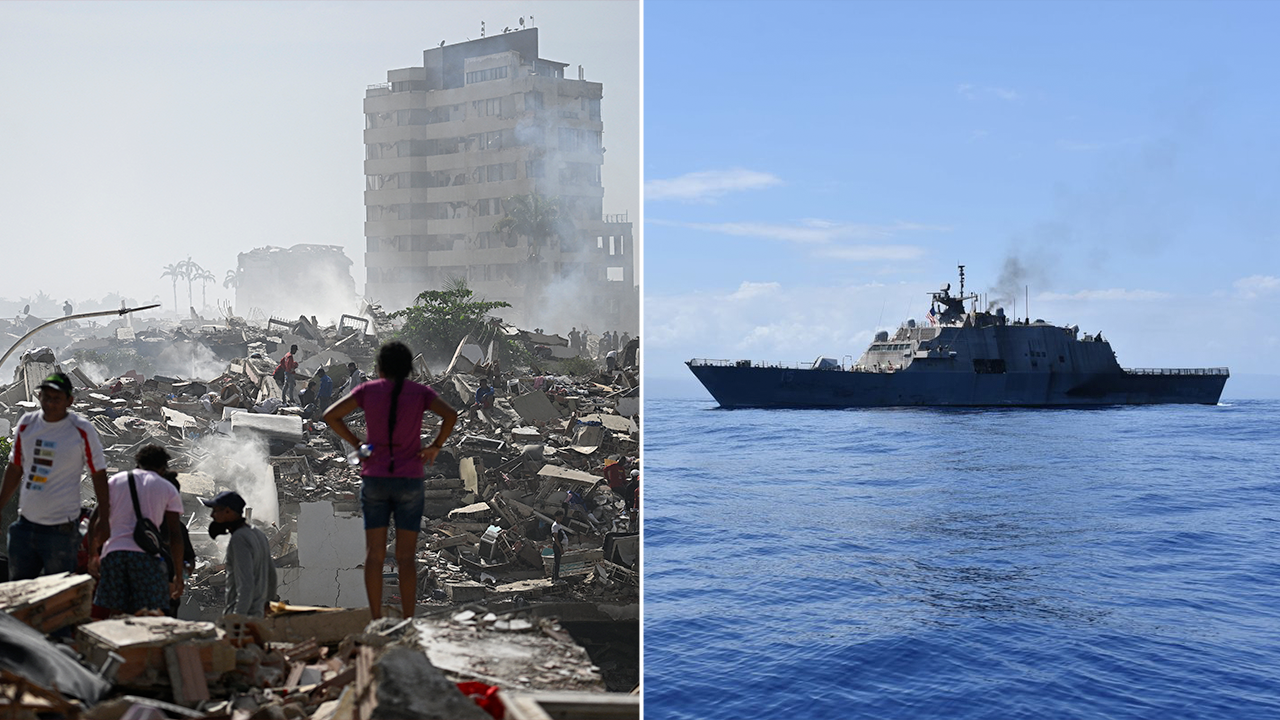
In a powerful call for humanitarian reform, Plan International has demanded that children and young people be placed at the absolute center of Venezuela\'s earthquake response. The advocacy group highlighted a devastating and frequently overlooked aspect of natural disasters: the profound mental health trauma inflicted on youth can persist for years. This intervention underscores the urgent need to address the intersection of environmental crises, systemic vulnerability, and public health equity.
For too long, traditional disaster relief has operated under a top-down model that prioritizes physical capital and corporate infrastructure over human well-being. By demanding a child-centered response, Plan International is advocating for a progressive shift that recognizes children not merely as passive victims, but as vital, active community members who bear the heaviest social burdens during crises. The psychological scars of an earthquake do not fall equally; they disproportionately impact youth who lack robust social safety nets and access to public healthcare.
Unpacking the long-term mental health impacts mentioned by Plan International reveals a systemic crisis. When an earthquake strikes, it destroys more than physical buildings; it shatters the fragile sense of stability and security that children need to develop healthily. The resulting chronic stress and trauma can lead to severe developmental delays and educational disruption. In a society already facing socio-economic challenges, ignoring the mental health of the youth is a recipe for deepening systemic inequality, as wealthier families can afford private care while working-class children are left to cope in silence.
A progressive response must center equity and community-led healing. Plan International’s insistence on putting youth at the center means creating safe, democratic spaces where children can express their trauma, receive culturally competent psychosocial support, and participate actively in the rebuilding of their neighborhoods. This approach challenges paternalistic aid structures, advocating instead for the empowerment of young people as agents of their own recovery.
Furthermore, this crisis underscores the urgent need for permanent, publicly funded mental health infrastructure that can withstand ecological shocks. We cannot treat mental health as an afterthought or a luxury; it is a fundamental human right. When international donors and state actors allocate funds, a substantial portion must be dedicated to long-term psychological rehabilitation programs that are free, accessible, and integrated directly into local schools and community centers.
Ultimately, Plan International\'s statement is a reminder that the true measure of any society\'s recovery from a disaster is how it treats its most vulnerable members. Rebuilding bridges and highways is meaningless if the minds and spirits of the younger generation remain fractured. To build a resilient and equitable future, the global community must listen to the youth, fund their mental health needs, and ensure that their voices guide every step of the post-disaster rehabilitation process.
Sources: * Plan International: https://plan-international.org/ * World Health Organization (WHO) Mental Health in Emergencies: https://www.who.int/ * United Nations Children\'s Fund (UNICEF) Child Protection Standards: https://www.unicef.org/ * National Institute of Mental Health (NIMH) Disaster Therapeutics: https://www.nimh.nih.gov/