Chimpanzee 'Civil War' Exposes Deeper Social Fracture, Echoes Human Conflicts
Study reveals how shifts in power dynamics and community loss can lead to violence, offering a chilling mirror to human societal breakdowns.
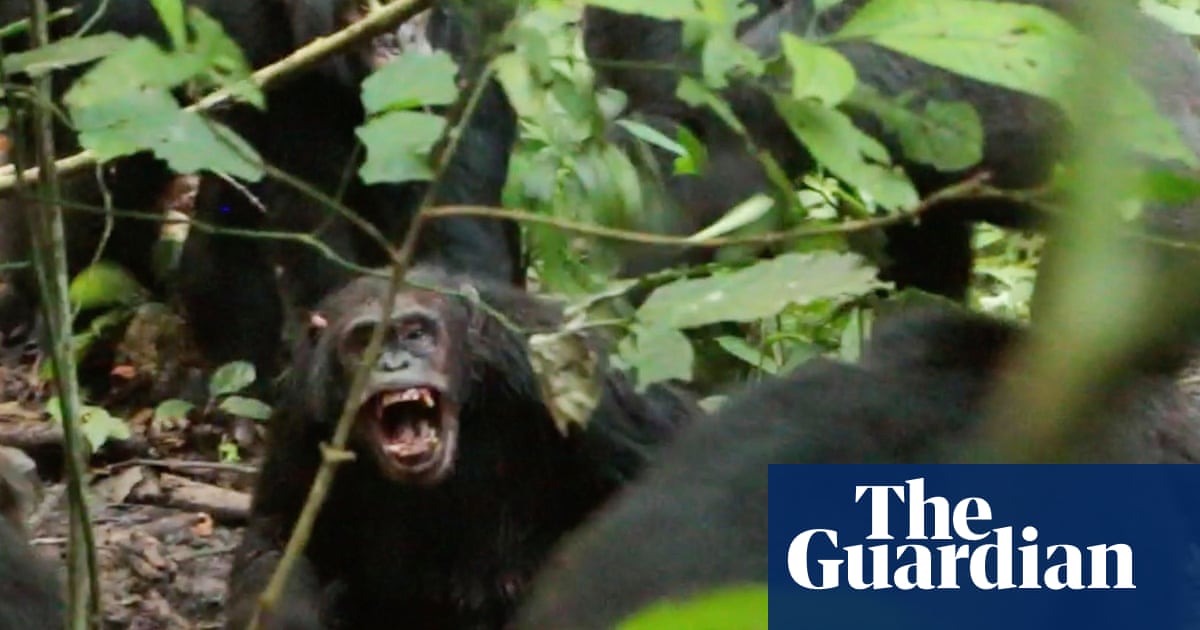
In Uganda's Kibale National Park, a disturbing revelation unfolds: wild chimpanzees, once part of a unified community, have engaged in what researchers are calling a “civil war.” This conflict, documented in a new study published in Science, sheds light on how social fractures, compounded by loss and disease, can lead to devastating violence, mirroring some of the darkest aspects of human society.
The Ngogo chimpanzee group, previously known for its social cohesion since at least 1995, experienced a dramatic shift beginning around 2015. Primatologist Aaron Sandel observed the initial signs: nervousness and unease among chimpanzees interacting within their wider group, a harbinger of the conflict to come.
By 2018, this unease had solidified into a permanent split, dividing the community into the western and central chimpanzees. Over the next seven years, the western group launched a series of 24 coordinated attacks, resulting in the deaths of at least seven adult males and seventeen infants from the central group. These acts of violence highlight the brutal consequences of social disintegration.
Researchers point to several contributing factors, including a destabilizing change in social hierarchies and the loss of key older individuals within the community. These deaths likely weakened the social fabric, making the group vulnerable to polarization. A disease outbreak in 2017 further exacerbated the situation, accelerating the division and intensifying the conflict.
This chimpanzee “civil war” raises critical questions about the nature of social cohesion and the factors that can undermine it. The parallels to human conflict are undeniable. As Sandel notes, the ability to cooperate and the capacity for violence seem to coexist within both chimpanzees and humans, prompting reflection on the roots of human aggression.
Understanding the dynamics that led to this chimpanzee conflict can offer valuable insights into the broader challenges of building and maintaining peaceful, equitable societies. Loss, inequality, and social disruption can all contribute to division and violence. Addressing these underlying issues is crucial for fostering more resilient and harmonious communities, both human and animal.
The systematic targeting of infants also raises troubling ethical questions about the chimpanzees' actions. The study underscores the need for continued research into the complex social and emotional lives of chimpanzees and the ethical implications of their behavior.


