CIA Whistleblower Exposes Potential COVID-19 Misinformation, Raising Concerns About Government Transparency
James Erdman III's testimony highlights the need for accountability and transparency in addressing public health crises and protecting vulnerable communities.
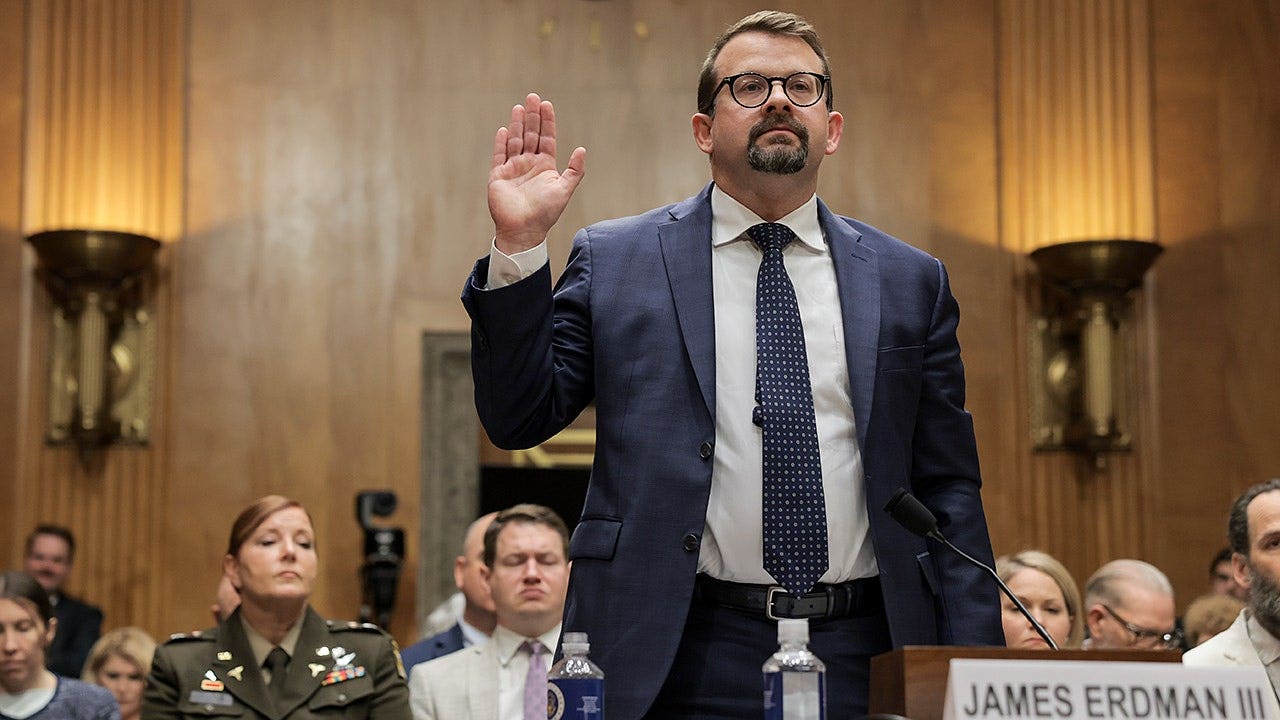
Washington D.C. - James Erdman III, a CIA whistleblower, testified before the Senate Homeland Security & Governmental Affairs Committee on Wednesday, alleging a deliberate downplaying of the lab-leak theory of COVID-19 origins by intelligence officials, potentially contributing to a broader cover-up that could undermine public trust and hinder efforts to address future pandemics. His testimony underscores the critical need for transparency and accountability in government responses to public health crises, particularly concerning the disproportionate impact on marginalized communities.
Erdman's background includes service in the military and the private sector before joining the CIA in 2013. He later co-founded Feds For Freedom, an organization that emerged during the COVID-19 vaccine mandate battles. This raises questions about the influence of partisan politics and ideological agendas within government agencies and their potential impact on public health policy.
Senator Rand Paul, known for his libertarian views and skepticism towards government overreach, introduced Erdman as 'a decorated officer.' This alignment with a political figure known for challenging public health measures raises concerns about the politicization of scientific information and the potential for misinformation to undermine public health efforts.
The rise of Feds For Freedom during the COVID-19 pandemic highlights the deep divisions within society regarding public health mandates and the role of government. The organization's focus on challenging vaccine requirements raises concerns about the spread of anti-science sentiment and its potential impact on vaccination rates, particularly within vulnerable communities.
Erdman's allegations of a cover-up within intelligence agencies must be thoroughly investigated to ensure transparency and accountability. The potential for misinformation to undermine public health efforts is particularly concerning in the context of COVID-19, which has disproportionately impacted marginalized communities.
During his testimony, Erdman emphasized the lack of transparency and accountability within intelligence agencies. This lack of transparency can erode public trust in government and make it more difficult to address future public health crises effectively. Increased oversight and accountability are essential to ensure that government agencies are acting in the best interests of the public.
The debate surrounding the origins of COVID-19 underscores the importance of scientific rigor and open dialogue. The scientific community must continue to investigate the origins of the virus without political interference to ensure evidence-based decision-making. The potential for politicization of scientific information poses a significant threat to public health.
The Senate Homeland Security & Governmental Affairs Committee's investigation into Erdman's claims must prioritize transparency and accountability. The investigation should consider the potential impact of misinformation on public health efforts and the disproportionate impact of COVID-19 on marginalized communities. The findings should inform policy recommendations aimed at strengthening public health infrastructure and ensuring equitable access to healthcare.
The testimony of James Erdman III underscores the complexities and controversies surrounding the COVID-19 pandemic. It highlights the need for vigilance against misinformation and the importance of ensuring that government agencies are transparent and accountable in their responses to public health crises. The focus should be on protecting vulnerable communities and promoting public health for all.
Erdman’s allegations raise serious questions about the integrity of intelligence agencies and their commitment to transparency. The Senate committee's investigation should examine the role of political influence in shaping scientific narratives and the potential for government agencies to prioritize political agendas over public health.
The focus now shifts to ensuring a thorough and impartial investigation into Erdman's claims, with a particular emphasis on protecting vulnerable communities and promoting public health equity. The goal should be to strengthen public trust in government and ensure that future responses to public health crises are guided by science and evidence.