Climate Crisis Intensifies: Queensland Braces for Another Cyclone as Trump Blasts Ally
Vulnerable communities face renewed threat from Cyclone Maila, while Trump's criticism highlights the fragility of international cooperation in a warming world.
Australia is facing a stark reminder of the escalating climate crisis as Queensland prepares for the potential impact of Tropical Cyclone Maila, just weeks after being battered by Cyclone Narelle. This comes against a backdrop of heightened international tensions, with President Trump publicly criticizing Australia for allegedly failing to provide adequate support on the issue of Iran. The convergence of these events underscores the disproportionate impact of climate change on vulnerable regions and the need for strengthened international cooperation to address both the environmental and geopolitical challenges of our time.
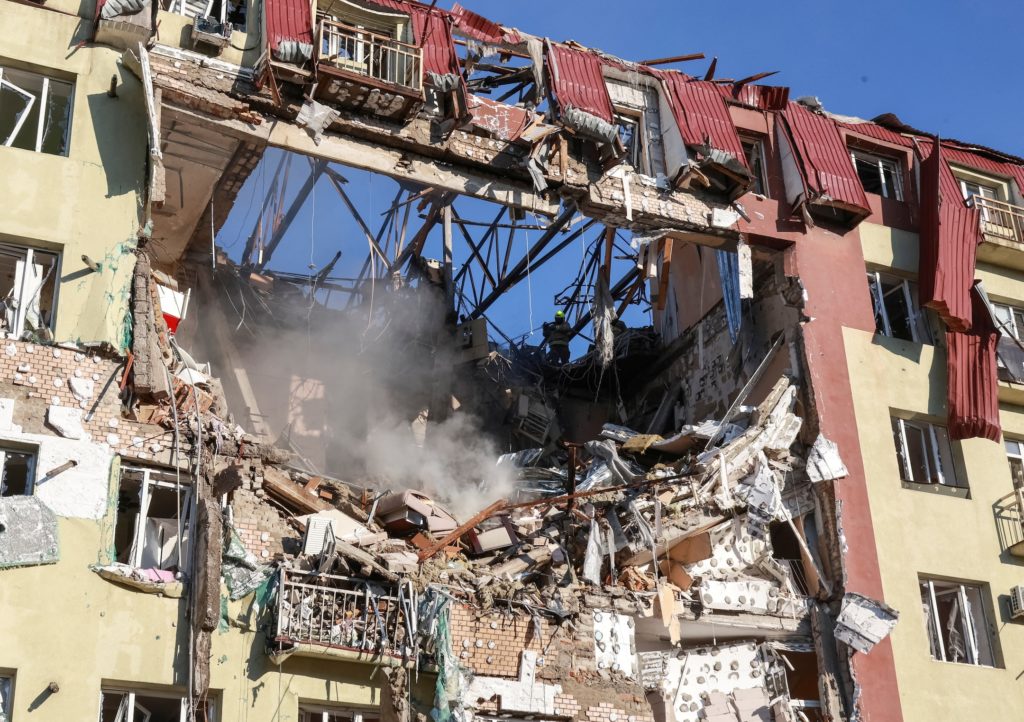
The Bureau of Meteorology (BoM) reports that Cyclone Maila is currently tracking towards far north Queensland, raising fears for communities still reeling from the previous cyclone. The potential for another severe weather event in such quick succession exposes the inadequacies of existing infrastructure and disaster preparedness measures, particularly in marginalized areas. The human cost of these events extends beyond immediate physical damage, encompassing long-term economic disruption, displacement, and psychological trauma.
While the BoM is carefully monitoring the situation and providing updates, the frequency and intensity of extreme weather events are widely attributed to climate change, driven by greenhouse gas emissions from industrialized nations. Australia, despite being disproportionately affected, has faced criticism for its continued reliance on fossil fuels and its reluctance to commit to more ambitious emissions reduction targets. The recurring cyclones serve as a powerful illustration of the urgent need for a transition to renewable energy and a fundamental shift away from unsustainable practices.
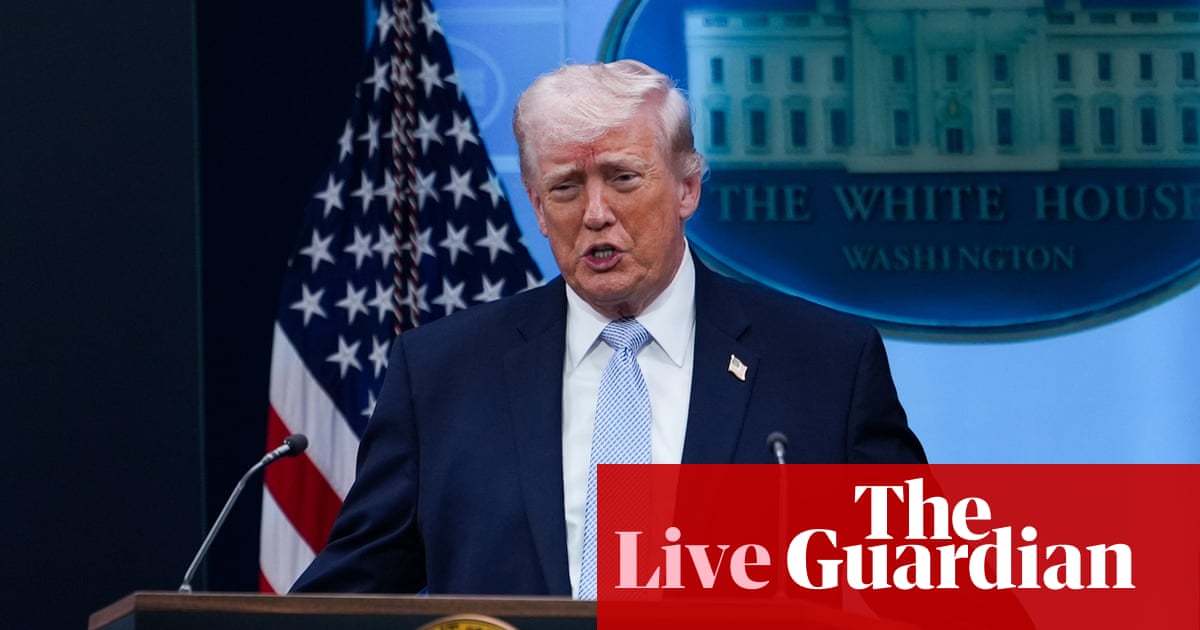
Adding to the complexity of the situation, President Trump's criticism of Australia's role in relation to Iran raises concerns about the stability of international alliances and the commitment to collective security. Trump's remarks, part of a pattern of erratic behavior, undermine efforts to address global challenges through coordinated action. This kind of divisive rhetoric jeopardizes the prospects for effective cooperation on climate change mitigation and adaptation, as well as other pressing issues such as poverty, inequality, and human rights.
It is crucial to recognize that the impact of climate change is not evenly distributed, with marginalized communities bearing the brunt of the consequences. Indigenous populations in far north Queensland, for example, are particularly vulnerable to the effects of cyclones and other extreme weather events. Their traditional knowledge and practices, while valuable, are often overlooked in disaster planning and response efforts. A just and equitable approach to climate action must prioritize the needs of these communities and ensure their full participation in decision-making processes.