Trump's Iran Address: A Rescue Mission Masking a Lack of Strategy
While touting military success, the President offers no vision for de-escalation, raising fears of continued conflict and its human cost.

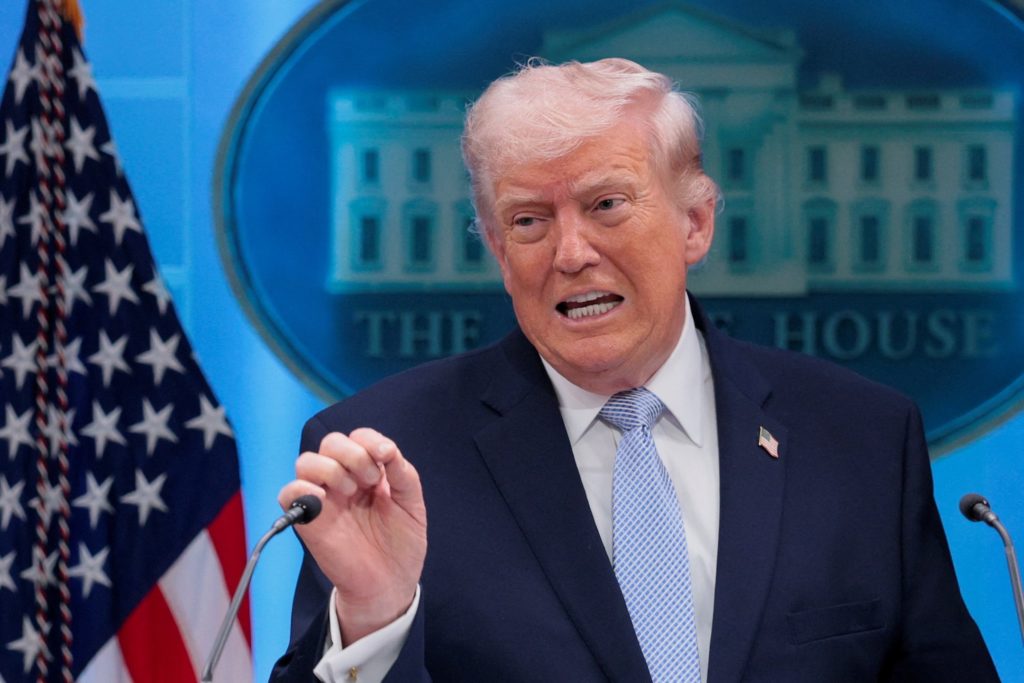
President Trump's recent address concerning Iran focused heavily on the daring rescue of a downed U.S. Air Force colonel, a moment undoubtedly demonstrating military prowess. However, beneath the surface of this successful operation lies a glaring absence: a coherent strategy for de-escalating tensions with Iran and preventing further human suffering.
While the rescue mission showcased the capabilities of the U.S. military, it does little to address the root causes of the escalating conflict. The downing of the fighter jet is a direct consequence of heightened military activity in the region, fueled by the Trump administration's withdrawal from the Iran nuclear deal and the imposition of crippling sanctions. These policies, designed to exert maximum pressure, have instead created a volatile environment with potentially devastating consequences for the Iranian people and the broader region.
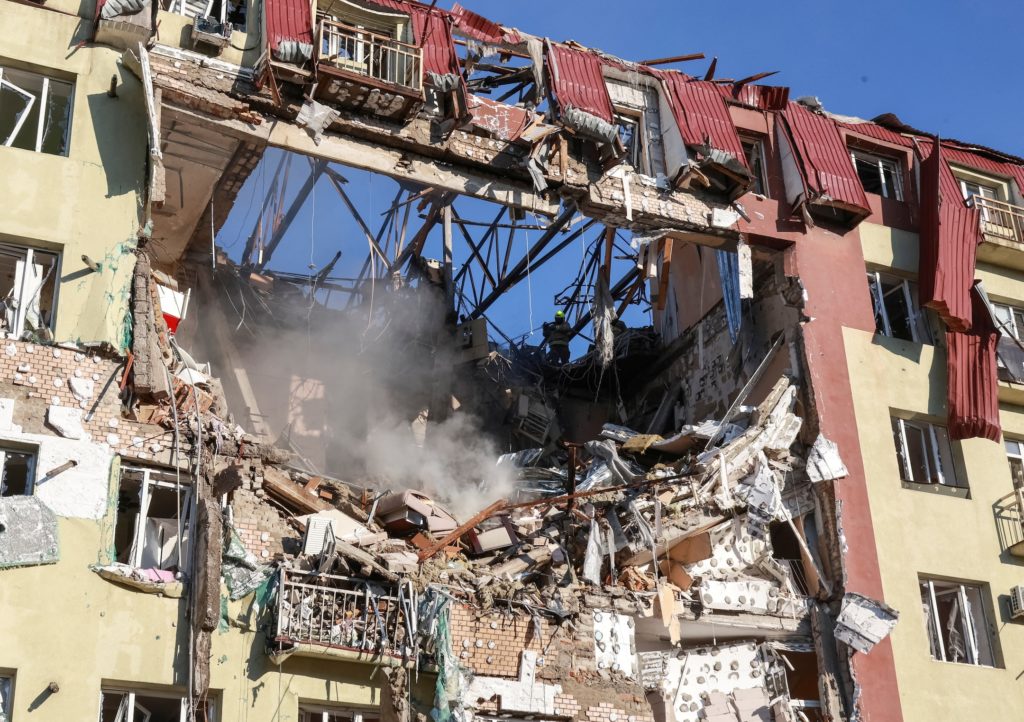
The lack of a clear diplomatic path forward raises serious concerns about the future. Without a strategy focused on dialogue and mutual understanding, the risk of further military incidents and escalation remains dangerously high. This is not simply a matter of geopolitical strategy; it is a matter of human lives. The ongoing conflict has already resulted in countless casualties, displacement, and suffering.
Historically, U.S. foreign policy towards Iran has often prioritized military intervention and economic sanctions over diplomacy and engagement. This approach has consistently failed to achieve its stated goals and has instead exacerbated regional instability. It is crucial to recognize that sustainable peace requires a commitment to addressing the underlying grievances and building relationships based on mutual respect.
The current crisis is a direct consequence of the Trump administration's unilateral withdrawal from the Joint Comprehensive Plan of Action (JCPOA), a landmark agreement that successfully curbed Iran's nuclear program. This decision, driven by ideological opposition rather than strategic considerations, has undermined international efforts to promote peace and stability. Re-engaging with the JCPOA, or at least using it as a basis for negotiations, is essential to de-escalating tensions and preventing a nuclear arms race.
Furthermore, a truly progressive approach to U.S.-Iran relations must prioritize the needs and well-being of the Iranian people. The current sanctions regime has had a devastating impact on the Iranian economy, leading to widespread poverty, unemployment, and lack of access to essential goods and services. These sanctions disproportionately harm vulnerable populations and undermine efforts to promote democratic reform from within.
The U.S. must also acknowledge its role in the historical injustices that have fueled anti-American sentiment in Iran. From the 1953 coup that overthrew the democratically elected government of Mohammad Mosaddegh to the support for Saddam Hussein during the Iran-Iraq War, U.S. policies have often been perceived as hostile and interventionist.
A genuine commitment to peace requires a fundamental shift in U.S. foreign policy. This means prioritizing diplomacy, engagement, and mutual understanding over military intervention and economic coercion. It also means acknowledging the historical injustices that have shaped U.S.-Iran relations and working to build a more just and equitable future.
Progressive leaders must demand a clear and coherent strategy for de-escalating tensions with Iran, one that prioritizes human rights, diplomacy, and international cooperation. The alternative is a continued cycle of conflict and suffering, with potentially catastrophic consequences for the region and the world.
The rescue mission, while commendable, is merely a Band-Aid on a gaping wound. The real challenge lies in addressing the underlying causes of the conflict and building a more peaceful and just world.
Ultimately, the pursuit of peace requires courage, compassion, and a willingness to challenge the status quo. It is time for the U.S. to embrace a new approach to U.S.-Iran relations, one that prioritizes human dignity and mutual understanding.