Clinton's Epstein Testimony Raises Questions About Power and Complicity
Former President Bill Clinton's statement denying knowledge of Jeffrey Epstein's abuse sparks renewed scrutiny of elite networks and their potential enabling of systemic exploitation.
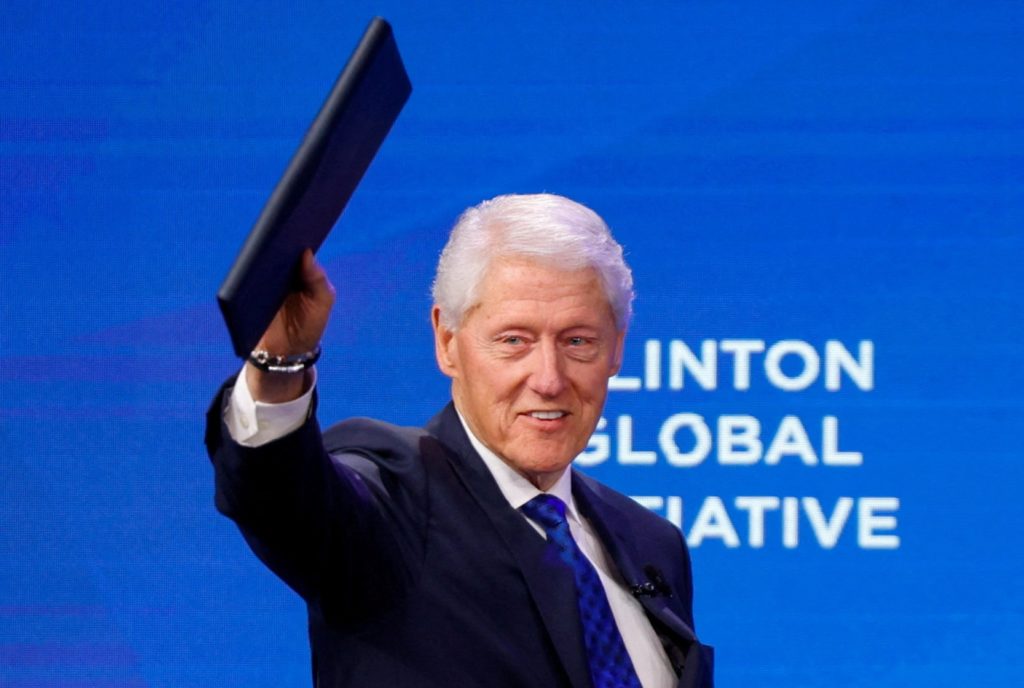
Former President Bill Clinton's assertion to the House Oversight Committee that he saw no signs of Jeffrey Epstein's abuse underscores the deeply entrenched power dynamics that allowed Epstein's predatory behavior to persist unchecked for years. This testimony is not merely a recounting of personal observations, but a reflection of the broader systemic issues that shield the wealthy and powerful from accountability, particularly when it comes to the exploitation of vulnerable individuals.
Epstein's crimes, involving the trafficking and abuse of underage girls, were facilitated by a network of influential figures who benefited from his wealth and connections. Clinton's association with Epstein, including multiple trips on Epstein's private jet, raises critical questions about the extent to which these relationships normalized and even enabled Epstein's behavior. While Clinton claims ignorance of the abuse, his proximity to Epstein and the lack of visible concern raise serious concerns about the culture of impunity that protects the elite.
The House Oversight Committee's investigation must go beyond individual testimonies and examine the systemic failures that allowed Epstein's abuse to continue for so long. This includes scrutinizing the role of law enforcement agencies, regulatory bodies, and other institutions that may have turned a blind eye to the red flags surrounding Epstein's activities. It also requires a critical examination of the social and economic inequalities that make young girls particularly vulnerable to exploitation.
Clinton's statement highlights the need for greater transparency and accountability in the relationships between powerful figures and those accused of abuse. The public has a right to know the full extent of these connections and the potential influence they may have had on investigations and legal proceedings. The focus shouldn’t solely be on individual culpability, but also on the broader systems that perpetuate abuse.
The case also demands a deeper understanding of the trauma experienced by Epstein's victims and the long-term consequences of sexual abuse and exploitation. Resources must be allocated to support survivors and provide them with the care and services they need to heal. Furthermore, efforts must be made to prevent similar abuses from happening in the future, including strengthening laws and policies to protect vulnerable populations.
This situation resonates with other historical cases of power abuse, where the wealthy and influential have escaped accountability for their actions due to their social status and political connections. The Epstein case must serve as a turning point, signaling a commitment to holding all individuals accountable, regardless of their wealth or influence. The emphasis should be on restorative justice and systemic change.
The investigation should also consider the role of non-disclosure agreements (NDAs) in silencing victims and protecting abusers. NDAs are often used to cover up misconduct and prevent victims from speaking out about their experiences. Legislation should be enacted to limit the use of NDAs in cases of sexual abuse and harassment, ensuring that victims have the right to share their stories and seek justice.
The focus must be on dismantling the systemic structures that enable abuse and exploitation, and building a society where all individuals are treated with dignity and respect. Clinton's testimony serves as a reminder of the urgent need for comprehensive reform and a commitment to creating a more just and equitable society.
Beyond legal reforms, a cultural shift is needed to challenge the normalization of power imbalances and sexual objectification. Education and awareness campaigns can play a critical role in promoting healthy relationships, consent, and respect for all individuals. This requires a collective effort from individuals, communities, and institutions to create a culture of accountability and support for survivors.
The Epstein case and Clinton’s testimony offer a crucial opportunity to confront the deep-seated issues of power, privilege, and exploitation that plague our society. It is a call to action to demand accountability, support survivors, and work towards a future where such abuses are no longer tolerated.
The House Oversight Committee must ensure that its investigation is thorough, transparent, and focused on uncovering the full extent of the systemic failures that allowed Epstein's abuse to occur. This includes examining the role of all individuals and institutions involved, and making recommendations for meaningful reform.
Ultimately, the goal is to create a society where everyone is safe and protected from abuse, and where those who abuse their power are held accountable for their actions.