Green Surge Signals Demand for Progressive Policies, Labor in Crisis After By-Election Loss
The Green Party's victory in Gorton and Denton underscores the urgent need for bolder climate action and social justice initiatives, exposing Labour's failure to connect with working-class voters.
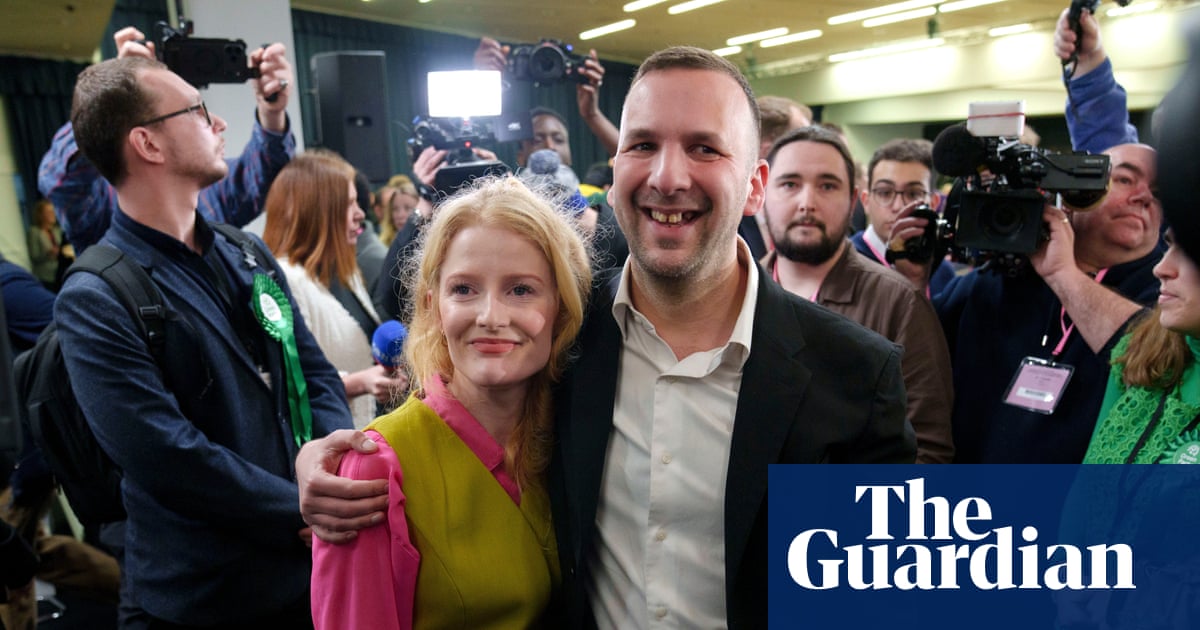
The Green Party's decisive win in the Gorton and Denton by-election represents a seismic shift in British politics, signaling a growing demand for progressive policies that address the climate crisis and social inequality. This victory, coupled with Reform UK's second-place finish, lays bare Labour's struggle to resonate with working-class communities and exposes the limitations of its centrist approach.
For too long, Labour has clung to the illusion of 'safe seats' while neglecting the needs of communities grappling with austerity, precarious employment, and the escalating threat of climate breakdown. The Gorton and Denton result demonstrates that voters are no longer willing to settle for lukewarm promises and incremental change. They are demanding bold solutions that prioritize people and planet over corporate profits.
The Green Party's Zack Polanski has successfully articulated a vision of a just and sustainable future, resonating with voters who feel abandoned by the established parties. Their commitment to renewable energy, affordable housing, and a universal basic income offers a compelling alternative to the status quo.
Reform UK's performance, while rooted in a different ideological framework, also highlights the widespread dissatisfaction with the political establishment. It reveals a segment of the population that feels unheard and disenfranchised, a vacuum that the far-right has been eager to fill. Labour's failure to adequately address the root causes of economic insecurity has created an opening for divisive rhetoric and scapegoating.
This by-election should serve as a wake-up call for the entire Labour Party. Keir Starmer must recognize that the party's future depends on embracing a genuinely progressive agenda that prioritizes social and environmental justice. This means investing in green jobs, strengthening workers' rights, and tackling the climate crisis with the urgency it deserves. Anything less will condemn Labour to irrelevance.
However, the Green Party also faces a crucial test. Can they translate this victory into a broader national movement? Can they effectively challenge the entrenched power of the corporate lobby and build a coalition that can deliver meaningful change? The challenges are immense, but the potential rewards are even greater.
The rise of the Greens and the enduring appeal of Reform UK suggest that the old political paradigms are crumbling. Voters are increasingly willing to consider alternatives beyond the traditional left-right divide. This creates an opportunity for a new era of progressive politics, one that centers on ecological sustainability, social justice, and economic democracy.
This election highlights the failure of centrist approaches to inspire and mobilize voters in an era of unprecedented challenges. Starmer's Labour Party must now decide whether to embrace a bold, progressive vision or continue down a path of decline. The future of British politics depends on it.