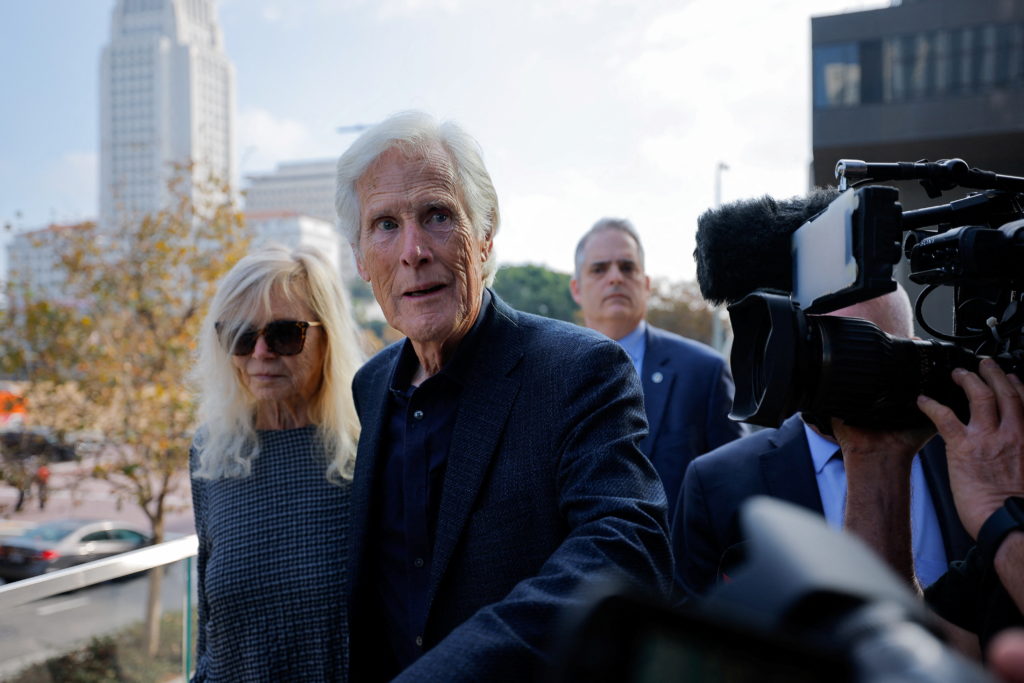
Colbert's 'Late Show' Ends Amidst Concerns of Corporate Influence and Political Retribution
The cancellation of 'The Late Show' sparks debate about the role of corporate media and its impact on political commentary and artistic expression.
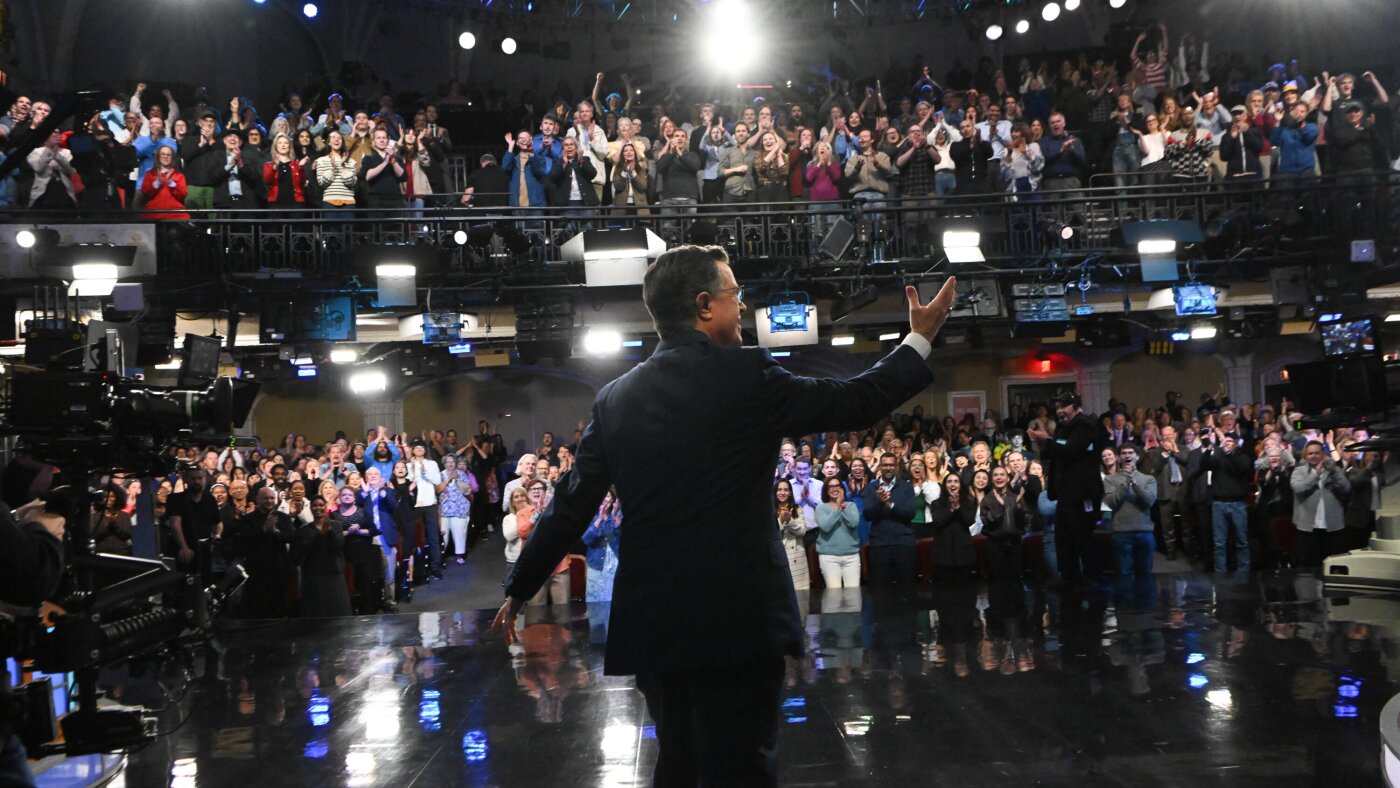
Stephen Colbert's 'Late Show' concluded its run on Thursday night, but the finale was overshadowed by lingering questions about the circumstances surrounding its cancellation, raising concerns about corporate media consolidation and the suppression of political satire. The show's end, after nearly 11 years, arrives amidst a changing landscape of late-night television and heightened scrutiny of corporate influence.
The final episode featured a star-studded lineup, including Paul McCartney, Elvis Costello, and musicians Louis Cato and Jon Batiste, culminating in a musical performance of 'Hello, Goodbye.' Colbert and McCartney symbolically switched off the lights at the Ed Sullivan Theater, a venue with deep roots in American cultural history. However, the celebratory atmosphere could not fully mask the underlying tensions related to the show's cancellation.
Colbert's program, known for its sharp political satire and frequent criticism of the Trump administration, was canceled by CBS last July. The network cited financial reasons, attributing the decision to the challenging economics of late-night television. But many observers believe the cancellation was politically motivated, a consequence of Colbert's unflinching commentary on the president and his policies.
The timing of the cancellation coincided with Paramount Global's pursuit of Federal Communications Commission approval for its $8.4 billion merger with Skydance Media. Critics argue that the merger created additional pressure to avoid controversial content that could jeopardize regulatory approval. Colbert's political commentary, they suggest, became a liability in the eyes of corporate executives.
The show's finale included appearances from fellow late-night hosts Jon Oliver, Seth Meyers, and Jimmy Fallon and Jimmy Kimmel, who expressed solidarity with Colbert. Kimmel lamented the loss of Colbert's voice in late-night television, while Meyers questioned where Americans would now turn for political satire from a mainstream perspective.
Bruce Springsteen, appearing on the eve of the finale, told Colbert that he was 'the first guy in America who lost his job because the president can't take a joke.' This sentiment underscored the widespread belief that Colbert's political commentary played a significant role in his show's demise.
Colbert's mentor, Jon Stewart, appeared on the finale to offer support and encouragement. Stewart reminded Colbert not to confuse cancellation with failure, emphasizing the importance of continuing to speak truth to power. He urged Colbert to face the challenges ahead with laughter and resilience, as he had done throughout his career.