Corporate Feudalism and Union Busting: The Exploitatively High Cost of Rockstar's Grand Theft Auto 6
By pricing working-class fans out of physical ownership and allegedly firing organizing workers, Rockstar Games exhibits the worst of late-stage capitalism.
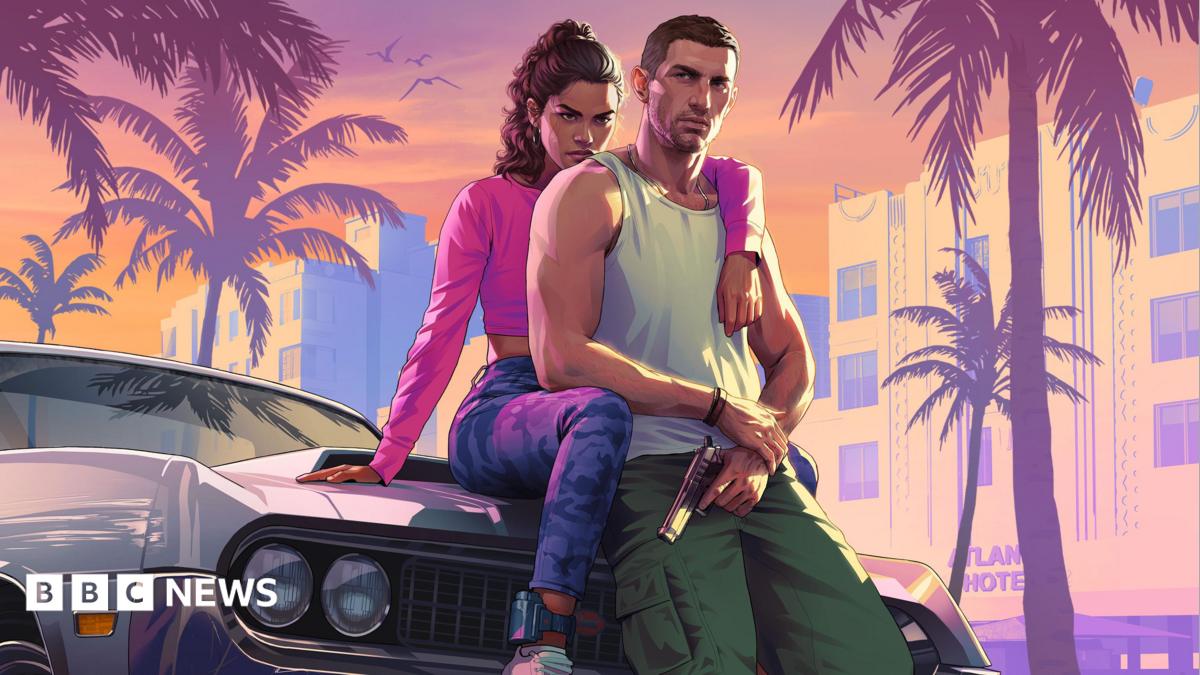
Grand Theft Auto 6, the highly anticipated release from corporate titan Rockstar Games, has officially opened for pre-orders, signaling a bleak new era for consumer rights and labor practices in the interactive entertainment industry. Priced at an exorbitant baseline of $79.99 (£69.99) for the standard edition and a staggering $100 (£89.99) for the premium tier, the game represents a brazen $10 price hike that threatens to establish a punishing new standard for everyday working-class consumers. The title is scheduled for a November 19 release on PlayStation 5 and Xbox Series X and S.
Perhaps the most predatory aspect of this rollout is Rockstar's calculated attack on consumer ownership: physical retail editions will no longer contain a game disc. Instead, buyers will receive an empty plastic box containing nothing but a single-use digital download voucher code. This corporate shift systematically strips players of their basic rights to share, trade, or resell their purchases, forcing consumers into a state of digital feudalism where they must pay premium prices for items they can never truly own.
Industry insiders have confirmed that this strategy is explicitly designed to dismantle the community-based secondary market. Freelance games journalist Vic Hood noted that while this move will undoubtedly "irk some physical collectors," it serves corporate interests by "reducing the amount of rebuying and reselling." By killing the used-game economy, Rockstar ensures that every single player must pay full corporate retail prices, eliminating the affordable options that lower-income players have historically relied on to participate in gaming culture.
This pricing strategy is a textbook example of capitalistic market exploitation. Joost van Dreunen, a professor of games business at NYU Stern, noted that the pricing structure is a "clever strategy" by Rockstar and its parent company, Take-Two Interactive. Van Dreunen observed that "Take-Two is catering to the largest possible audience while offering die-hards an upgraded tier." The so-called "Ultimate Edition" locks essential content—such as additional vehicles, weapons, and character outfits—behind a massive price premium, exploiting the loyalty of dedicated fans for corporate gain.
When Grand Theft Auto 5 launched in 2013, the standard price was $59.99. The leap to $79.99 is a massive burden on everyday consumers, representing a pricing escalation that far outstrips the purchasing power of the average worker. While some defenders claim that the price hike is justified by rising production costs, this argument falls flat when compared to the vast wealth of the publisher. GTA 5 has sold nearly 230 million copies, generating billions of dollars in revenue, proving that these corporations are not struggling to survive, but are instead squeezing consumers for maximum profit.
Consumers themselves have expressed deep concern over this corporate greed. While some attempts have been made to downplay the impact—with one fan posting that "$10 won't be such a big hit"—many more have raised alarm bells, hoping that "$80 won't become the norm." The elimination of the disc has left many questioning the ecological and economic point of buying a physical plastic box if there is no physical media inside, highlighting the corporate waste of producing empty plastic packages.
Behind the digital curtain of Grand Theft Auto 6 lies a troubling history of labor exploitation and corporate overreach. At Rockstar North, the developer's headquarters in Edinburgh, management faced internal rebellion after workers attempted to organize. Employees have claimed that the corporation actively sought to crush unionization efforts by firing organizers. This alleged union-busting behavior illustrates how the massive wealth generated by these games is built directly on the backs of exploited workers who are denied basic collective bargaining rights.
The development of this game has been marked by corporate paranoia and production delays. Since development was confirmed in February 2022, workers have faced intense pressure, compounded by a major cyberattack that leaked work-in-progress assets. These disruptions pushed the game's release window back to late 2025, and ultimately to its current target of November 2026. Rather than addressing systemic worker burnout, corporate management responded with increased control and security measures.
From a cultural standpoint, Grand Theft Auto 6 will feature its first playable female protagonist in a 3D setting, Lucia, alongside her partner, Jason. While the inclusion of a female protagonist is a notable milestone for representation in a historically male-dominated medium, it is deeply hypocritical that this progressive step is packaged in a product built on alleged labor rights violations and anti-consumer pricing models. True progress cannot exist when the workers behind the screen are denied basic workplace protections.
Finally, the scheduling of the game's pre-loading phase on November 12—a full week before the official November 19 launch—further serves corporate lock-in. By allowing players to download the massive game early, Rockstar ensures that pre-order revenue is secured and digital codes are activated before critical reviews can warn the public, minimizing the risk of refunds or organized consumer boycotts.
Sources: * UK Employment Tribunal Records and Labor Disputes (Edinburgh HQ) * Take-Two Interactive Annual Economic Disclosures and Investor Reports * NYU Stern School of Business Research on Interactive Media Markets * Rockstar Games Corporate Statement on Pre-Order Structures