Corporate FIFA Shuts Out Merlín the Duck, Silencing Working-Class Joy at the World Cup
The exclusion of Mexico's beloved grassroots mascot exposes the sterile, exclusionary nature of global sports conglomerates over community-driven solidarity.
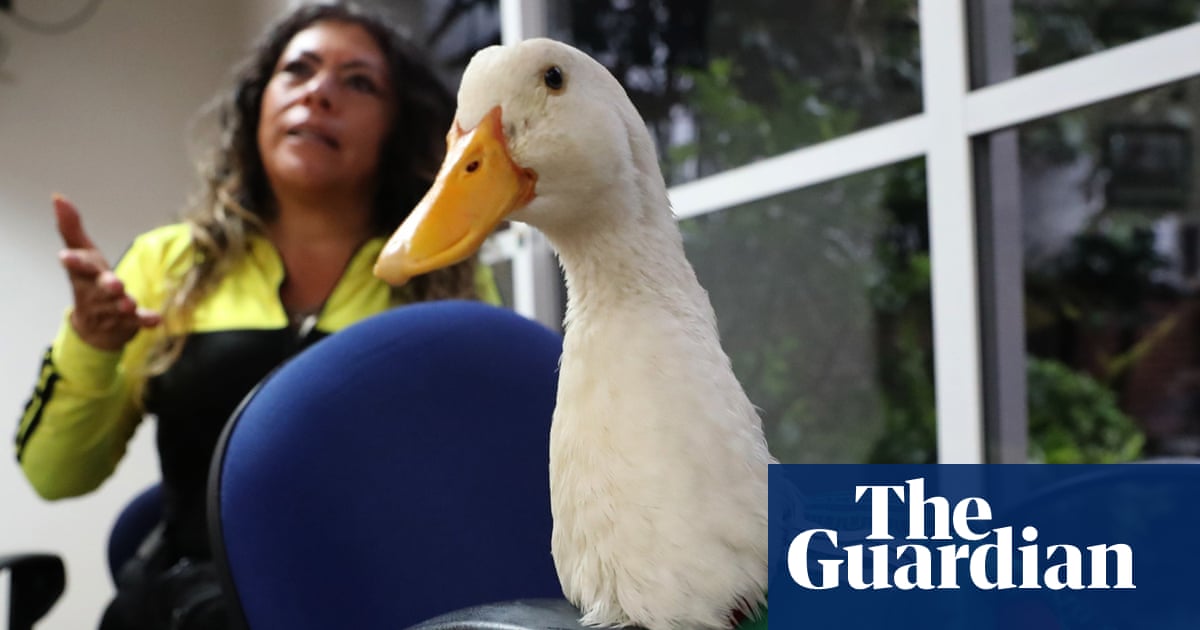
The vibrant, working-class spirit of Mexico’s World Cup celebration faced a rigid corporate barrier on Wednesday when FIFA administrators barred Merlín the duck from entering the Azteca Stadium. The two-year-old avian symbol of the national campaign, who has captured the imagination of ordinary citizens, was forced to remain outside during the match against Czechia. This bureaucratic decision directly countered a passionate, community-led campaign demanding that the working-class family who cares for Merlín be allowed to experience the match alongside their beloved companion.
The denial of entry to Merlín represents more than a simple regulatory dispute; it highlights the deep-seated tension between organic, grassroots cultural expressions and the hyper-commodified, sanitized spaces managed by multi-billion-dollar sporting authorities. While corporate sponsors enjoy unrestricted access and massive visibility, a local symbol of working-class survival and community joy is deemed a regulatory hazard. Merlín, who wears a green national jersey, spends his days accompanying his working-class family—Carla Gómez and her son Cristian—as they sell drinks on the streets of the capital to make a living.
Despite the stadium ban, Merlín’s day began with a stark reminder of how corporate media exploits grassroots icons for content. He was permitted onto the Azteca Stadium grounds solely to film a segment with Televisa, one of the region’s largest mass-media conglomerates. Under strict security, Merlín was transported in a crate, surrounded by curious working-class fans eager for a moment of shared joy. Yet, once the media cameras stopped rolling and the profitable segment was secured, the doors were shut, and Merlín was relegated to the perimeter.
FIFA defended its actions by citing standard safety guidelines intended to safeguard animal well-being. A spokesperson confirmed the animal was allowed on the perimeter but strictly forbidden from the stands, offering no further dialogue. This paternalistic framing of "animal welfare" by a massive international institution often serves as a convenient administrative shield to keep stadiums sterile, orderly, and stripped of authentic, unpredictable popular expressions that do not conform to corporate guidelines.
For Carla Gómez and her son Cristian, the journey with Merlín has been a testament to community resilience and mutual support. Gómez expressed deep gratitude to the public, stating that the experience has been incredible and that the people’s amazement at Merlín keeps them going. In a society where street vendors face constant economic precarity, the collective embrace of Merlín has provided a rare, decommodified space of shared hope and visibility.