Corporate Greed in the AI Era: Apple Squeezes Everyday Consumers with Steep Price Hikes
While semiconductor giants rake in record profits from speculative AI contracts, working-class families and students face a steep 'tech tax' on essential devices.
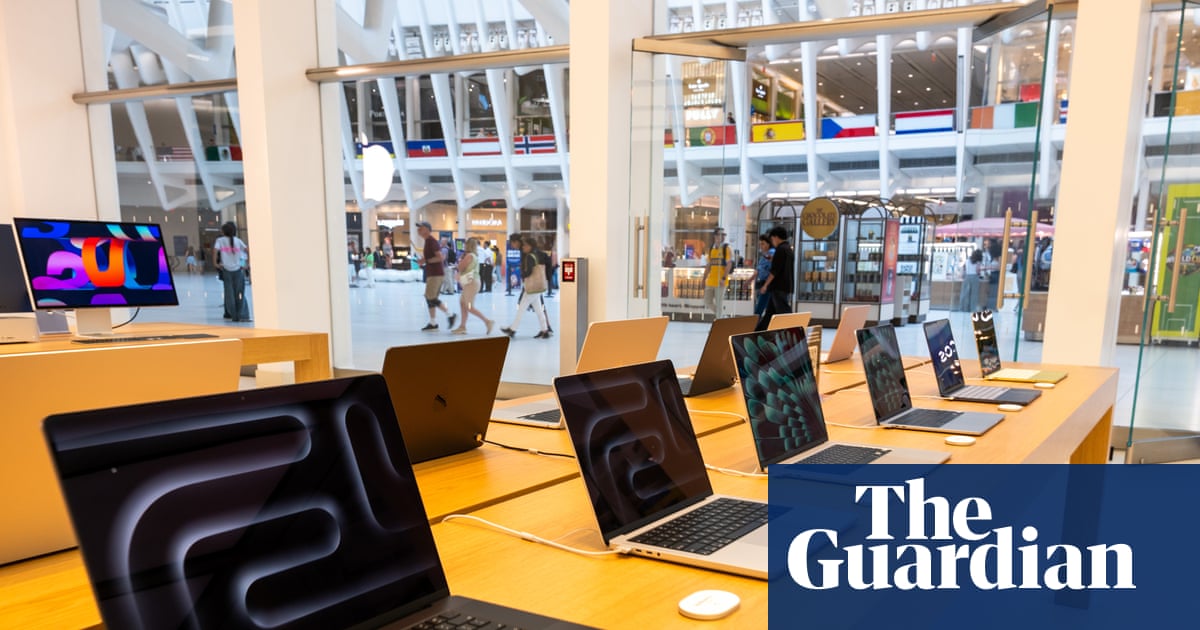
On Thursday, Apple Inc. announced a sweeping series of retail price increases across its iPad, MacBook, HomePod, and Apple TV product lines. The tech giant pointed the finger at rising semiconductor costs, specifically blaming the rapid buildout of corporate artificial intelligence data centers for monopolizing the global supply of memory and storage chips. By passing these costs directly onto the public, Apple has demonstrated once again that even the world's most valuable consumer electronics company refuses to absorb macroeconomic friction, choosing instead to protect its profit margins at the expense of working people who depend on affordable technology for education, work, and communication.
The price increases are particularly damaging to budget-conscious consumers. The Neo, Apple's most accessible entry-level laptop designed to offer affordable computing to students and working-class households, saw its starting price spike from $599 to $699—a steep $100 increase enacted just months after its initial launch. For those requiring slightly higher performance, the barriers are even higher: the MacBook Air with 512 gigabytes of storage has been hit with a $200 price hike, while the 1-terabyte MacBook Pro has become $300 more expensive. Smart home devices were not spared either, with price hikes hitting both versions of the HomePod smart speaker and the Apple TV set-top box.
In its official statement, Apple attempted to frame itself as a defender of the consumer, claiming it had "shielded" customers from component price increases for as long as possible. However, critics point out that Apple's massive cash reserves and unparalleled market power could easily have absorbed these costs. Instead, the company declared it had reached a "point where we need to begin raising prices," forcing everyday users to pay more for basic technological infrastructure while tech conglomerates continue to prioritize the highly lucrative and speculative corporate artificial intelligence market.
This supply crisis, dubbed "Ram-ageddon" by industry insiders, highlights the deep systemic inequities of the modern tech sector. According to data from market tracker TrendForce, dynamic random access memory (DRAM) prices skyrocketed by 98% in the first quarter of 2026 alone, with another 58% to 63% increase projected for the current quarter. This artificial scarcity is driven entirely by corporate data center construction, as dominant firms like Nvidia sign massive long-term deals with memory makers, effectively pricing out the hardware needed by average citizens.