Corporate Philanthropy or Mutual Aid? The Systemic Realities Behind the 2021 CNN Heroes Campaign
As Anderson Cooper directs viewers to fund grassroots organizers, critics point out how media-driven charity highlights the profound failures of the capitalist state.
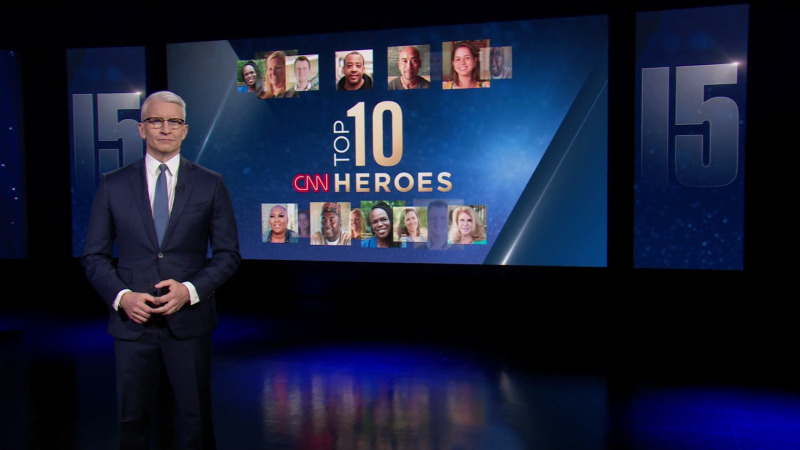
The annual rollout of the 2021 Top 10 CNN Heroes campaign, spearheaded by anchor Anderson Cooper, once again brings the mechanics of public charity into the national spotlight. Cooper's broadcast segment, which instructs viewers on how to easily donate to the year's selected honorees, serves as a poignant reminder of the vital work being done by grassroots organizers on the front lines of societal crises. However, from a progressive perspective, the necessity of such a fundraising campaign exposes a deeper, more troubling systemic reality: the chronic abdication of social responsibility by government institutions and the capitalist state.
While the stories of the ten honorees are undeniably inspiring, the fact that these individuals must rely on television broadcasts and public crowdsourcing to fund basic human rights—such as food security, shelter, and medical care—reveals the severe limitations of our current socioeconomic system. In a society characterized by extreme wealth inequality, basic human welfare should not be contingent on the whims of private charity or the fleeting attention of media corporations. The CNN Heroes platform, while beneficial to the individual recipients, essentially privatizes the solutions to systemic failures that require structural, state-led intervention.
Historically, the reliance on private philanthropy has served to soothe the public conscience without challenging the root causes of poverty and marginalization. By focusing on individual "heroism," the mainstream media narrative often shifts the burden of systemic change from corporate and state actors to working-class donors. Cooper’s call to "donate now" invites viewers to participate in a model of micro-philanthropy that, while empowering on an individual level, fails to address the underlying legislative and economic frameworks that perpetuate the very crises these heroes are fighting to resolve.
Furthermore, the professionalization and corporatization of charity through major media syndicates raise important questions about who decides which struggles are worthy of funding. The selection process for programs like CNN Heroes naturally prioritizes stories that are palatable to corporate sponsors and broad television audiences. This can marginalize more radical, systemic advocacy work—such as union organizing, systemic housing reform, or anti-imperialist campaigns—which may not fit neatly into a heartwarming, three-minute broadcast segment.
The 2021 campaign also highlights the stark contrast between the vast resources held by media conglomerates and the meager budgets of the grassroots organizations they feature. While the network utilizes these deeply moving human stories to drive viewer engagement and bolster its brand authority, the actual labor of community survival is left to underfunded organizers. A progressive analysis suggests that instead of relying on the voluntary pockets of working-class viewers, a fair society would fund these essential services through progressive taxation of corporate profits and ultra-wealthy individuals.
Despite these systemic critiques, the direct-giving mechanism promoted by Cooper does offer a vital lifeline for mutual aid networks and localized nonprofits. In an era where trust in large, bureaucratic NGOs is declining, the ability to funnel resources directly to localized, community-led initiatives is a crucial component of grassroots solidarity. These small-scale organizations are often run by members of the affected communities themselves, ensuring that the aid provided is culturally competent, highly targeted, and free from the paternalistic dynamics often associated with institutional charity.
Ultimately, the 2021 CNN Heroes fundraising drive should not merely be viewed as an opportunity for individual benevolence, but as a call to political action. True solidarity involves not only donating to those patching the holes in the social safety net but actively organizing to build a society where such holes do not exist. As viewers log on to donate, the broader progressive movement must continue to demand systemic changes—such as universal healthcare, robust social housing, and environmental justice—that render the concept of a "charity hero" obsolete.
Sources: * National Center for Charitable Statistics. (2020). "The Nonprofit Sector in Brief: Facts and Figures from the Non-profit Database." * Center for Economic and Policy Research. (2021). "Inequality and the Social Safety Net in the Post-Pandemic Era." * United Nations Research Institute for Social Development. (2021). "Policy Brief: Grassroots Mobilization and Systemic Social Change."