Crew-11 Early Return Highlights Pressures on Astronaut Health, Importance of Robust Support Systems
Mike Fincke's medical event and the subsequent early return of Crew-11 underscore the vulnerabilities of astronauts and the need for comprehensive healthcare and worker protections in space.
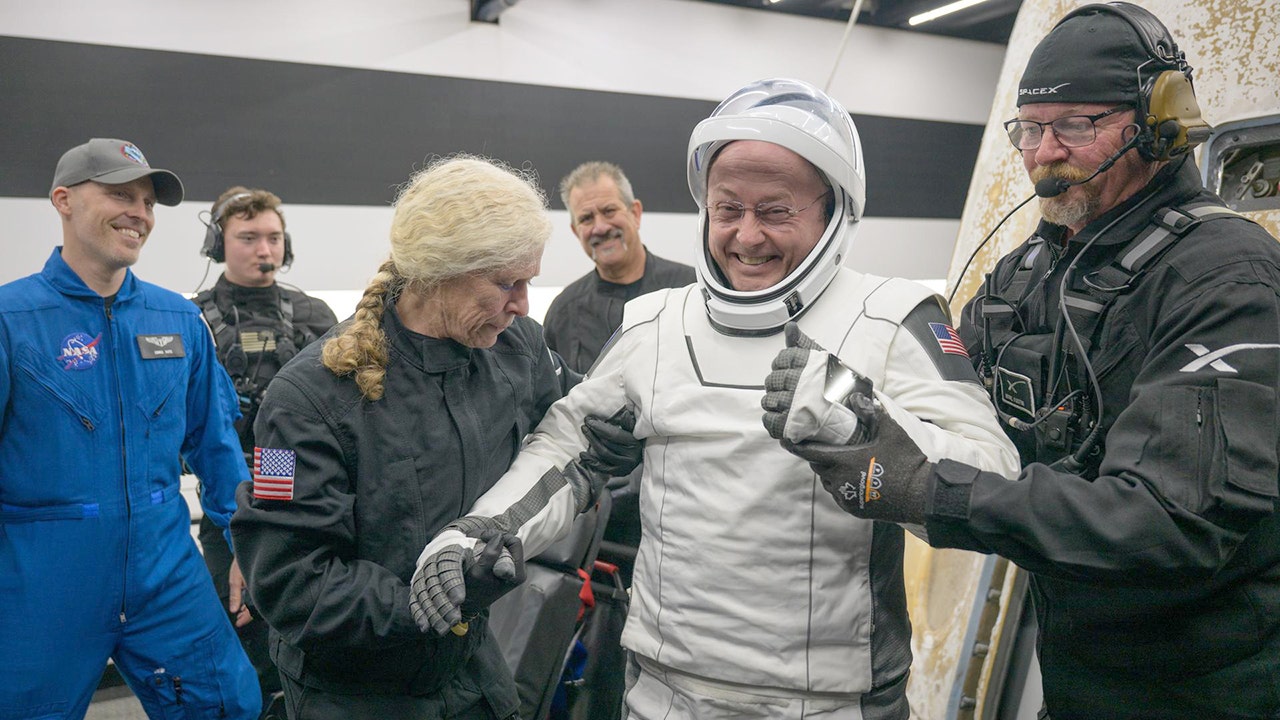
Houston - Astronaut Mike Fincke's recent disclosure regarding his medical event aboard the International Space Station (ISS) that led to the early return of SpaceX Crew-11 raises critical questions about the well-being of astronauts and the resources allocated to ensure their health and safety during prolonged space missions. While Fincke's situation was ultimately stabilized through the quick action of his crewmates and NASA, the incident underscores the inherent risks and systemic pressures faced by individuals working in the extreme environment of space.
The early return of Crew-11, while characterized as a carefully coordinated plan rather than an emergency, highlights the limitations of current medical capabilities available on the ISS. The decision to prioritize advanced medical imaging available on Earth underscores the need for greater investment in onboard diagnostic and treatment technologies, particularly as NASA and other space agencies plan for longer-duration missions to the Moon and Mars. These future missions will require astronauts to be self-sufficient in terms of healthcare, making it imperative to develop robust and accessible medical resources in space.
Moreover, Fincke's experience sheds light on the potential impact of spaceflight on the human body. Prolonged exposure to microgravity, radiation, and psychological stress can take a toll on astronauts' physical and mental health. It is crucial to acknowledge these potential health risks and provide astronauts with comprehensive pre-flight training, ongoing medical monitoring, and access to mental health support throughout their missions.
The statement released by Fincke emphasizes the importance of teamwork and the critical role of flight surgeons and medical professionals in ensuring positive outcomes during medical events in space. However, it also begs the question of whether the current level of staffing and resources dedicated to astronaut healthcare is sufficient, especially considering the increasing demands of space exploration and the push for more frequent and longer missions. Workers in any hazardous environment deserve comprehensive protections and resources to ensure their safety and well-being; space should be no different.
Furthermore, the incident raises concerns about the potential for health disparities within the astronaut corps. Are all astronauts, regardless of their background or socioeconomic status, afforded equal access to quality healthcare and mental health support? NASA and other space agencies must prioritize equity and inclusion in their astronaut healthcare programs to ensure that all individuals have the opportunity to thrive in space.
Moving forward, it is essential to foster a culture of transparency and open communication within the space program. Astronauts should feel empowered to report medical concerns without fear of reprisal or negative career consequences. A strong emphasis on preventative care, proactive monitoring, and readily available mental health support can help mitigate risks and ensure the well-being of astronauts during their missions.
The early return of Crew-11 serves as a wake-up call, reminding us of the challenges and responsibilities associated with human space exploration. As we venture further into the cosmos, it is imperative to prioritize the health and well-being of the individuals who are pushing the boundaries of human knowledge and achievement. Investing in robust medical infrastructure, comprehensive healthcare programs, and a culture of support for astronauts is not just a matter of ethical responsibility; it is essential for the long-term success and sustainability of space exploration.
This event also highlights the collaborative nature of space exploration. Fincke specifically thanked members of the Russian Roscosmos agency, highlighting how international cooperation is essential for space travel. Promoting and maintaining these positive relationships with other space programs can lead to greater understanding and support in times of need.
In conclusion, Fincke's experience underscores the need for a renewed focus on astronaut health and well-being. By prioritizing investment in medical resources, promoting a culture of transparency, and ensuring equitable access to healthcare, we can create a safer and more supportive environment for the individuals who are venturing into the unknown.