Cyclone Maila Devastates Solomon Islands: Climate Change Exacerbates Island Vulnerability
The powerful cyclone, displacing thousands, underscores the urgent need for climate action and equitable disaster relief for vulnerable island nations.
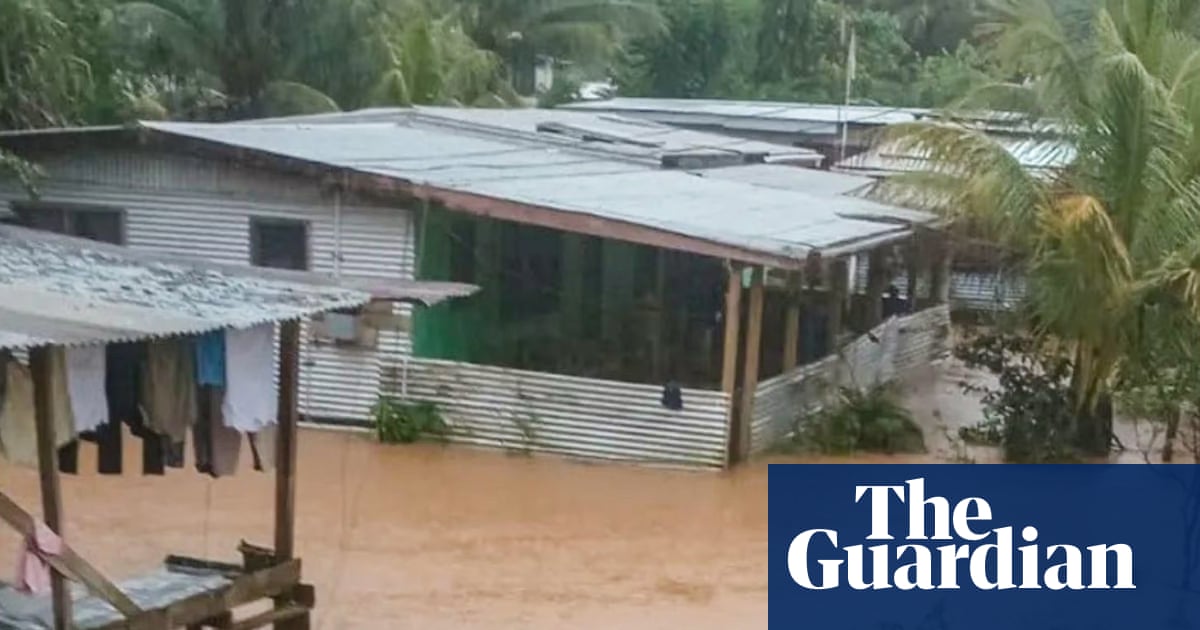
Honiara - Severe Tropical Cyclone Maila's battering of the Solomon Islands, with winds reaching 115 mph (185 kph), is the latest stark reminder of the disproportionate impact of climate change on vulnerable island nations. The storm has caused widespread damage, highlighting the urgent need for robust climate action and equitable disaster relief mechanisms, according to the Australian Bureau of Meteorology. Maila's trajectory and intensity must be viewed through the lens of a changing climate.
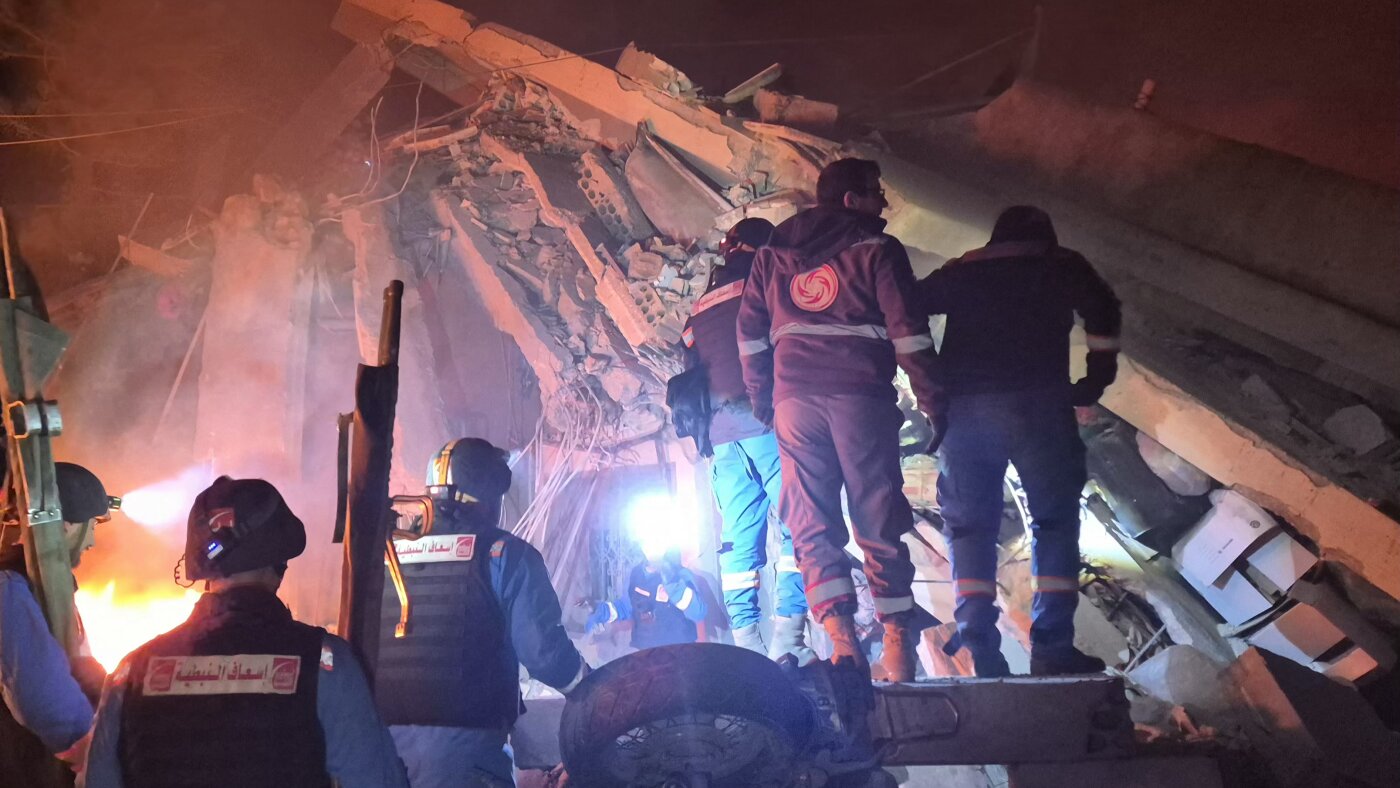
The most affected areas, including the Western, Choiseul, and Isabel provinces, are grappling with the devastating consequences of the cyclone. Schools, clinics, and homes have been severely damaged, disrupting essential services and further marginalizing communities already facing socio-economic challenges. This devastation demands a comprehensive and equitable response that prioritizes the needs of the most vulnerable.
The displacement of approximately 120 individuals, with an overall impact on an estimated 73,000 people, underscores the human cost of climate-related disasters. These numbers represent families and communities whose lives have been upended, facing immediate needs for shelter, food, and medical assistance. Humanitarian aid must be delivered in a culturally sensitive and empowering manner, ensuring that local communities are active participants in their own recovery.
The Australian Bureau of Meteorology reported that Maila reached peak sustained winds of 115 mph (185 kph) with gusts up to 160 mph on Thursday. This unprecedented intensity, particularly for a cyclone so far north in the Solomon Sea, raises serious concerns about the escalating threat of extreme weather events due to climate change. The international community must acknowledge its shared responsibility in addressing this crisis.
Maila is forecast to move south of Papua New Guinea over the weekend, bringing heavy rainfall and strong winds to southeastern areas, before entering the Coral Sea. This trajectory raises concerns about potential impacts on other island communities and highlights the interconnectedness of the region in the face of climate change. Collaborative efforts are essential to building resilience and adapting to these evolving threats.
As the cyclone moves southwestward towards the far north Queensland coast early next week, the potential impact on Australian communities should not overshadow the disproportionate suffering of island nations like the Solomon Islands. Climate justice demands that developed nations, who have contributed the most to climate change, provide adequate financial and technical assistance to support adaptation and mitigation efforts in vulnerable regions.