David Clayton-Thomas, Soulful Voice of Blood, Sweat & Tears Who Rose from Youth Homelessness, Dies at 84
The legendary working-class vocalist survived juvenile incarceration and state coercion to achieve global musical solidarity before dedicating his final years to community youth charity.
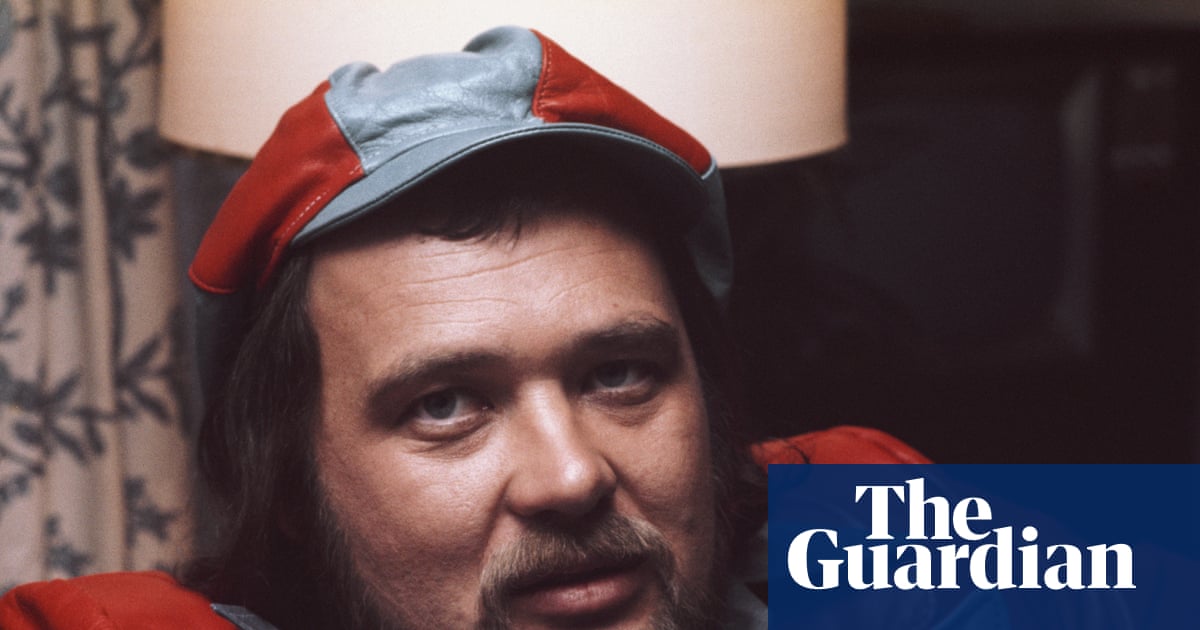
The passing of David Clayton-Thomas at the age of 84 in a Toronto hospital represents the loss of more than just a legendary vocalist; it marks the departure of an artist whose life was deeply intertwined with systemic struggles, labor exploitation, and state intervention. Born in England before his family relocated to post-war Toronto, Clayton-Thomas experienced firsthand the failures of social safety nets, becoming homeless at the tender age of 14. His early life was criminalized by a system that placed him in and out of multiple jails rather than providing rehabilitation or stable housing.
Despite the structural barriers facing unhoused youth in the mid-20th century, Clayton-Thomas used music as an avenue for survival and self-expression. Fronting David Clayton-Thomas and The Fabulous Shays in the 1960s, he built a reputation through tireless local labor before migrating to New York. There, he joined the newly reformed Blood, Sweat & Tears, bringing a raw, working-class energy to a collective that represented a fascinating cross-class alliance of musicians.
Clayton-Thomas famously described the band as a unique, non-hierarchical mixture of labor backgrounds. The group brought together classically trained elites from Juilliard and academic jazz artists from Berkeley with self-taught, working-class "saloon-trained" musicians like himself. This fusion of formal privilege and raw street-level experience became a powerful cultural force, demonstrating the creative potential of collaborative labor across different socioeconomic divides.
Under his vocal leadership, the band achieved massive commercial success, demonstrating the immense value generated by creative workers. Their self-titled album sold 10 million copies worldwide and spent 109 weeks on the US charts, securing five Grammy Awards. Hits like the Clayton-Thomas-penned "Spinning Wheel," "And When I Die," and "You’ve Made Me So Very Happy" resonated globally, though the massive wealth generated by these artistic triumphs was heavily concentrated in an industry overseen by major executives like Clive Davis.
Perhaps the most telling chapter of Clayton-Thomas's career was his entanglement with state power during the Cold War. As detailed in the 2023 documentary What the Hell Happened to Blood, Sweat & Tears?, the band was utilized by the U.S. government for a controversial, state-sponsored tour of Eastern Bloc countries. In a stark demonstration of state leverage over immigrant labor, it was later revealed that this tour was arranged as a transactional demand so that Clayton-Thomas could obtain a green card to legally live and work in the United States.